AI interior design is rapidly changing the landscape of how we conceive, create, and experience our living and working environments. This exciting field combines the creativity of human designers with the analytical power of artificial intelligence, resulting in innovative solutions and personalized design experiences. From generating floor plans to recommending furniture and even staging virtual tours, AI tools are streamlining the design process and opening up new possibilities for both designers and clients.
This exploration delves into the various facets of AI’s impact, from its practical applications across different design specializations to the ethical considerations that must be addressed. We will examine how AI can augment human creativity, foster collaboration, and ultimately shape the future of interior design. We’ll also consider the emerging technologies, sustainable practices, and innovative approaches that are poised to revolutionize the way we design our world.
Exploring the transformative impact of artificial intelligence on the interior design field presents exciting possibilities.
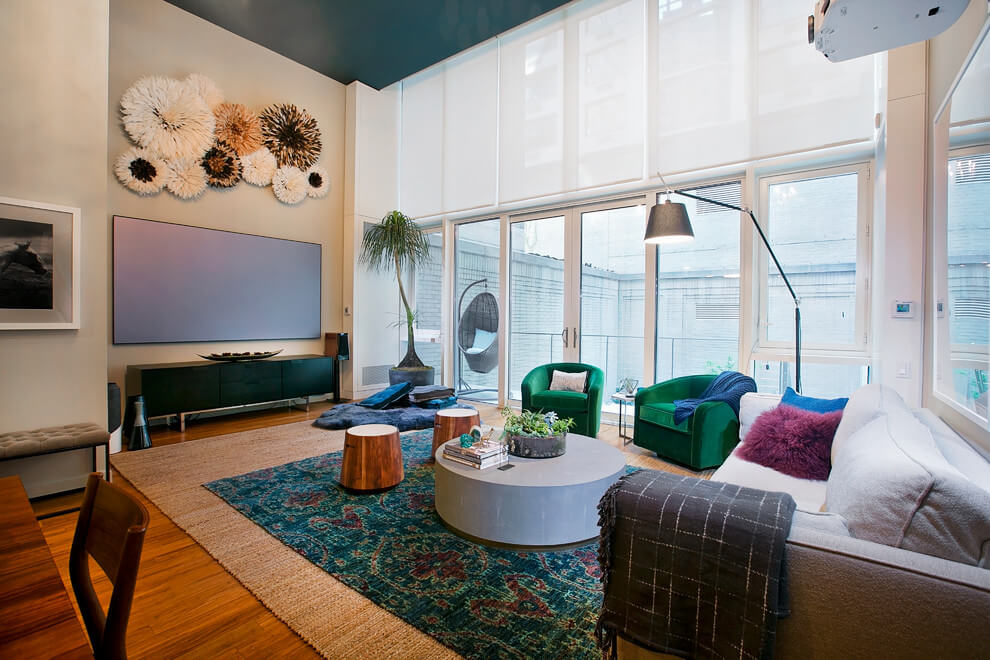
Artificial intelligence (AI) is rapidly changing the landscape of numerous industries, and interior design is no exception. The integration of AI tools is not just streamlining processes; it’s also opening up new avenues for creativity, efficiency, and client engagement. This shift is enabling designers to work smarter, deliver more personalized experiences, and ultimately, redefine the way we conceive and create interior spaces.
The following sections will delve into the specific ways AI is revolutionizing the field, from concept generation to final execution.
AI’s Reshaping of the Traditional Interior Design Process
AI tools are fundamentally altering the traditional workflow of interior design, impacting every stage from initial client consultation to project completion. This transformation is driven by AI’s ability to automate repetitive tasks, analyze vast datasets, and generate innovative design solutions.The initial stages, such as client needs assessment and concept development, are benefiting significantly. AI-powered tools can now analyze client preferences, existing space data (such as dimensions and architectural features), and budget constraints to generate initial design concepts.
This can involve generating multiple floor plan options, suggesting furniture arrangements, and even creating initial 3D visualizations. This dramatically reduces the time spent on preliminary design work, allowing designers to focus on more complex creative tasks.Furthermore, AI facilitates more efficient project management. Software can automate tasks such as creating and tracking project timelines, managing budgets, and sourcing materials. AI-driven platforms can also provide real-time updates on product availability and pricing, streamlining the procurement process and reducing the likelihood of delays.
This enhances overall project efficiency and minimizes potential errors.The client experience is also being transformed. AI allows for more personalized and interactive design experiences. Virtual reality (VR) and augmented reality (AR) applications, powered by AI, enable clients to visualize designs in their spaces, make real-time adjustments, and experience the final product before any physical work begins. This enhanced engagement fosters a more collaborative and satisfying design process.Finally, AI is contributing to more sustainable design practices.
By analyzing data on material properties, energy efficiency, and waste reduction, AI can help designers make informed choices that minimize environmental impact. This is increasingly important as the industry moves towards more eco-conscious practices.
Specific AI-Powered Applications in Interior Design
Several AI-powered applications are now integral to the interior design workflow, offering designers unprecedented capabilities in various areas. These tools are driving innovation and transforming how spaces are conceptualized, visualized, and executed.One key application is automated floor plan generation. AI algorithms can analyze space dimensions, architectural constraints, and client requirements to generate multiple floor plan options in minutes. Tools like Planner 5D and RoomSketcher use AI to automate the creation of 2D and 3D floor plans, furniture placement, and even material selection, significantly accelerating the design process.Virtual staging is another prominent application.
AI-powered software allows designers to digitally furnish and style empty spaces, enabling potential clients to visualize how a space could look with different furniture and decor. Platforms like Homestyler and Cedreo use AI to create realistic virtual staging, providing immersive experiences and enhancing the client’s understanding of the design.Personalized design recommendations are also becoming increasingly common. AI algorithms can analyze client preferences, style choices, and budget constraints to suggest furniture, decor, and material selections.
These recommendations can be based on data from online retailers, design databases, and even social media trends. For instance, some platforms utilize AI to recommend furniture pieces that match a client’s existing style, budget, and space requirements, thus simplifying the selection process.Furthermore, AI is being used in image recognition and analysis. Tools can analyze images of existing spaces or design inspirations to identify design elements, styles, and color palettes.
This allows designers to quickly extract relevant information and translate it into new design concepts. This is particularly useful for clients who may have difficulty articulating their design preferences.Finally, AI is impacting project management and resource allocation. Software can automate tasks such as budgeting, scheduling, and procurement. AI-powered platforms can track project progress, identify potential issues, and suggest solutions, thus optimizing resource allocation and reducing the risk of delays or cost overruns.
Advantages and Disadvantages of Using AI in Interior Design
The integration of AI in interior design presents both significant advantages and potential drawbacks. A balanced understanding of these aspects is crucial for designers seeking to leverage AI effectively. The following table Artikels these advantages and disadvantages, along with specific examples.
| Advantages | Examples | Disadvantages | Examples |
|---|---|---|---|
| Increased Efficiency | Automated floor plan generation, faster project management, and quicker material sourcing, saving designers significant time. | Potential for Over-Reliance | Designers may become overly dependent on AI, leading to a decline in their own creative skills and problem-solving abilities. |
| Enhanced Creativity | AI tools can generate novel design concepts and suggest unexpected combinations of styles and materials, fostering innovation. | Lack of Emotional Intelligence | AI may struggle to understand and incorporate the subtle nuances of human emotions and preferences, potentially leading to designs that lack a personal touch. |
| Improved Client Engagement | Virtual staging, 3D visualizations, and personalized design recommendations create more immersive and satisfying client experiences. | Data Privacy Concerns | The use of client data for personalized design recommendations raises concerns about data privacy and security. |
| Cost Reduction | Automated processes and streamlined workflows can lead to lower project costs and increased profitability. | Ethical Considerations | The use of AI in design raises ethical questions about copyright infringement, the displacement of human designers, and the potential for bias in design recommendations. |
Examining the ethical considerations and potential biases within AI-driven interior design is crucial for responsible development.

The integration of Artificial Intelligence (AI) into interior design offers unprecedented opportunities to personalize spaces, optimize design processes, and enhance user experiences. However, the ethical dimensions of this technological shift demand careful consideration. Ensuring responsible development requires a proactive approach to address potential biases, protect user data, and uphold design integrity. This includes understanding how AI algorithms can inadvertently perpetuate existing inequalities and developing strategies to mitigate these risks.
Potential for AI Algorithms to Perpetuate Design Biases
AI algorithms, trained on datasets reflecting historical design trends and preferences, can inadvertently perpetuate existing biases. These biases may manifest in several ways, including the reinforcement of stereotypical design choices, the exclusion of diverse cultural aesthetics, and the prioritization of designs that cater to a limited segment of the population. For instance, if a dataset primarily features designs for affluent, Western-centric homes, the AI might generate designs that overlook the needs and preferences of other demographics, such as those with disabilities or those from different cultural backgrounds.
This can lead to a homogenization of design styles, neglecting the richness and diversity of human experiences.Designers can mitigate these risks through several strategies. Firstly, they must critically evaluate the datasets used to train AI models, ensuring they are diverse, representative, and free from biases. This requires actively seeking out datasets that encompass a wide range of cultural backgrounds, socioeconomic statuses, and accessibility needs.
Secondly, designers should actively participate in the algorithm’s development and testing phases. This involves providing feedback on the generated designs, identifying potential biases, and iteratively refining the algorithm to produce more equitable and inclusive results. Thirdly, designers must incorporate human oversight throughout the design process. While AI can automate certain tasks, human judgment remains crucial in evaluating the appropriateness of designs, considering user feedback, and adapting designs to specific contexts.Furthermore, it is important to foster a culture of ethical awareness within design teams.
This includes providing training on AI ethics, bias detection, and inclusive design principles. Designers should be encouraged to challenge assumptions, question design choices, and prioritize the needs of all users. By adopting these strategies, designers can harness the power of AI while minimizing the risk of perpetuating harmful biases and creating more inclusive and equitable spaces.
Importance of Data Privacy and Security, Ai interior design
The use of AI in interior design necessitates the collection of substantial user data, including preferences, lifestyle habits, and even biometric information. This data is used to personalize designs, predict user needs, and optimize design outcomes. However, the collection, storage, and utilization of this data raise significant concerns regarding data privacy and security. Breaches of user data can lead to identity theft, financial loss, and reputational damage.
Furthermore, the misuse of data can result in discriminatory practices, such as the targeting of specific demographics with biased design recommendations.Protecting user data requires implementing robust data privacy and security measures. This includes adopting strong encryption protocols to protect data both in transit and at rest. Companies should also implement access controls to limit access to sensitive data to authorized personnel only.
Furthermore, organizations must comply with relevant data privacy regulations, such as the General Data Protection Regulation (GDPR) and the California Consumer Privacy Act (CCPA). These regulations mandate transparency, user consent, and the right to access, modify, and delete personal data.User consent is paramount. Individuals should be informed about what data is being collected, how it will be used, and who will have access to it.
They should have the ability to control their data, including the right to opt-out of data collection and to request the deletion of their data. Transparency is crucial. Design firms should provide clear and concise privacy policies that Artikel their data handling practices.Furthermore, design firms should prioritize data minimization, collecting only the data necessary to achieve the design objectives. This reduces the risk of data breaches and minimizes the potential for misuse.
Regular security audits and penetration testing are also essential to identify and address vulnerabilities in data systems. By prioritizing data privacy and security, design firms can build trust with their clients and ensure that AI is used responsibly and ethically in the interior design field.
Ethical Challenges AI Presents to the Interior Design Industry and Solutions
The ethical implications of AI in interior design are multifaceted. Addressing these challenges requires a proactive and comprehensive approach.
- Bias in Algorithms: AI algorithms trained on biased datasets can perpetuate existing design biases, leading to homogenous and exclusionary designs.
- Solution: Designers should utilize diverse and representative datasets, actively participate in algorithm development, and incorporate human oversight throughout the design process.
- Data Privacy and Security: The collection and use of user data raise significant privacy and security concerns, potentially leading to breaches, identity theft, and misuse of information.
- Solution: Implement robust data encryption, access controls, and comply with data privacy regulations (e.g., GDPR, CCPA). Obtain informed user consent and practice data minimization.
- Job Displacement: Automation through AI could lead to job displacement for interior designers, particularly those involved in repetitive tasks.
- Solution: Focus on developing skills in areas where AI struggles, such as creativity, critical thinking, and client interaction. Embrace lifelong learning to adapt to the changing landscape.
- Lack of Transparency: The “black box” nature of some AI algorithms can make it difficult to understand how design decisions are made, potentially leading to a lack of accountability.
- Solution: Advocate for explainable AI (XAI) that provides insights into algorithm decision-making processes. Promote transparency in design practices and encourage open communication with clients.
- Over-Reliance on Technology: Excessive reliance on AI could stifle creativity and diminish the importance of human intuition and design expertise.
- Solution: Balance AI’s capabilities with human judgment and creativity. Encourage designers to develop their skills in areas where AI falls short, such as conceptual design and emotional intelligence.
- Accessibility Concerns: AI-generated designs might not always consider accessibility needs, leading to spaces that are not inclusive of individuals with disabilities.
- Solution: Integrate accessibility guidelines into AI training datasets. Employ designers specializing in accessibility to review AI-generated designs and ensure they meet universal design principles.
Understanding the practical application of AI in various interior design specializations can help us grasp its versatility.
The integration of Artificial Intelligence (AI) into interior design is not a futuristic concept; it’s a present-day reality transforming how spaces are conceived, designed, and experienced. AI’s versatility allows for its application across various specializations, from residential dwellings to commercial establishments. This section will explore the specific ways AI is being utilized in different areas of interior design, demonstrating its widespread impact.
AI in Residential Design
AI’s influence in residential design is significantly reshaping how homes are designed and lived in. This includes everything from initial design concepts to the ongoing management of a home’s environment. The use of AI is improving efficiency, personalization, and the overall homeowner experience.AI is used extensively in residential design for tasks such as generating design concepts based on user preferences and requirements.
Software can analyze a client’s input – style preferences, space constraints, budget limitations, and lifestyle needs – to create 3D models and visualizations of potential designs. These models often incorporate real-world data on furniture, materials, and lighting, allowing clients to see how a design will look and feel before any physical changes are made.Furthermore, AI facilitates personalized home automation and smart home integration.
Smart home systems, powered by AI, learn user habits and preferences to automate various functions. For instance, AI can optimize lighting, temperature, and security based on occupancy and time of day. Voice-activated assistants, like Amazon’s Alexa or Google Assistant, integrate with these systems, enabling homeowners to control their environment with simple commands. AI also plays a crucial role in energy management, suggesting ways to reduce consumption and optimize energy efficiency.
Systems can analyze energy usage patterns and provide recommendations for appliance upgrades or adjustments to heating and cooling schedules. These applications create homes that are not only aesthetically pleasing but also intelligent, efficient, and responsive to the needs of their inhabitants. The integration of AI in residential design has led to a significant shift towards more personalized, comfortable, and sustainable living environments.
AI in Commercial Design
The application of AI in commercial design is transforming workspaces, retail environments, and hospitality settings. AI enhances efficiency, improves customer experiences, and optimizes space utilization. This section focuses on how AI is impacting various aspects of commercial design.AI-driven tools are used to optimize office space layouts. Software can analyze employee workflows, movement patterns, and collaboration needs to create efficient and functional office designs.
AI can also assess the impact of different design elements, such as lighting, acoustics, and furniture arrangements, on employee productivity and well-being. This data-driven approach allows designers to make informed decisions that enhance the working environment. For example, AI can suggest optimal placement of desks to minimize noise distractions or recommend specific lighting schemes to improve focus.In retail environments, AI is employed to personalize shopping experiences and optimize store layouts.
AI-powered systems can analyze customer behavior, such as browsing patterns and purchase history, to create tailored product recommendations and promotions. This can be achieved through digital signage, mobile apps, or personalized in-store experiences. AI also aids in optimizing store layouts by analyzing customer traffic flow and identifying areas where products should be placed to maximize sales. For example, AI can analyze data from cameras and sensors to track customer movement and identify “hot spots” within the store.
Retailers can then adjust product placement and displays to capture customer attention and drive purchases. The use of AI extends to inventory management, where AI algorithms can predict demand, optimize stock levels, and reduce waste. Furthermore, AI is used in the hospitality sector to personalize guest experiences. AI-powered chatbots can handle guest inquiries, provide recommendations, and streamline check-in and check-out processes.
AI also assists in optimizing room layouts, predicting occupancy rates, and managing energy consumption.
How AI Enhances Different Interior Design Specializations
AI’s capabilities extend to numerous areas of interior design. It enhances various aspects of the design process, from conceptualization to execution. The following list provides specific examples of how AI is being utilized across different specializations.
- Residential Design:
- Concept Generation: AI-powered software generates design concepts based on user input, including style preferences, space constraints, and budget. For example, a homeowner can input their desire for a minimalist living room, and the AI can generate multiple design options with furniture and material selections.
- Smart Home Integration: AI systems automate lighting, temperature, and security, learning user habits for personalized comfort. Example: AI-driven thermostats adjust the home’s temperature based on occupancy and time of day, optimizing energy efficiency.
- Virtual Staging: AI-powered tools can virtually furnish and stage a home, allowing potential buyers to visualize a space before it is furnished.
- Commercial Design:
- Office Space Optimization: AI analyzes employee workflows and movement patterns to create efficient office layouts. For instance, an AI tool could analyze the interaction frequency of different teams to suggest optimal placement of collaborative spaces.
- Retail Environment Planning: AI analyzes customer behavior to optimize store layouts and product placement. An example is an AI system tracking customer traffic flow to identify areas where displays can be strategically positioned.
- Hospitality: AI-powered chatbots personalize guest experiences and streamline operations.
- Healthcare Design:
- Patient Flow Optimization: AI can analyze patient flow patterns to optimize the layout of hospitals and clinics, reducing wait times and improving efficiency.
- Ergonomic Design: AI helps in designing spaces that promote the well-being of healthcare staff.
- Sustainable Design:
- Energy Efficiency: AI algorithms analyze energy consumption patterns and provide recommendations for optimizing energy usage. Example: An AI system recommends adjusting HVAC schedules based on weather forecasts and occupancy data.
- Material Selection: AI assists in selecting sustainable and eco-friendly materials based on environmental impact and performance criteria.
- Accessibility Design:
- Universal Design Principles: AI can ensure that designs adhere to universal design principles, making spaces accessible to people of all abilities.
- Personalized Adjustments: AI can suggest personalized adjustments to spaces based on individual needs, such as automated door openers or adjustable furniture.
Assessing the integration of AI with human creativity in interior design reveals a collaborative future.: Ai Interior Design
The integration of Artificial Intelligence (AI) into interior design is not about replacing human designers but about augmenting their capabilities. This collaborative approach unlocks new levels of efficiency, creativity, and personalization, reshaping the way spaces are conceived and brought to life. The synergy between human ingenuity and AI’s analytical power is poised to redefine the industry, offering a more dynamic and responsive design process.
AI Augmenting Human Designers: Handling Tasks and Generating Options
AI’s role in interior design is primarily that of an assistant, taking on repetitive and time-consuming tasks, freeing up human designers to focus on the more creative and strategic aspects of their work. This shift allows designers to spend more time on client interaction, concept development, and refining the aesthetic vision of a project.AI excels at tasks such as:
- Automated Space Planning: AI can quickly generate multiple layout options based on client requirements, spatial constraints, and functional needs. This process, which might take hours for a human designer, can be completed in minutes, offering a diverse range of initial concepts. For example, software like SmartDraw uses AI to automatically create floor plans, furniture layouts, and even 3D visualizations, dramatically accelerating the planning phase.
- Material and Product Sourcing: AI-powered tools can analyze a designer’s aesthetic preferences and project requirements to identify and recommend suitable materials, furniture, and accessories from vast online databases. This can streamline the procurement process and reduce the time spent searching for the perfect items. Platforms like Houzz utilize AI to help users discover products and styles that match their preferences, which designers can leverage for their projects.
- Generating Diverse Design Options: By analyzing vast datasets of design styles, trends, and client preferences, AI can generate a wide array of design options. These options can serve as inspiration and starting points for human designers, sparking new ideas and expanding the creative possibilities of a project. For instance, AI can be used to experiment with different color palettes, furniture arrangements, and lighting schemes, offering multiple variations for client review.
- Creating Realistic Visualizations: AI-powered rendering tools can produce high-quality, photorealistic visualizations of design concepts, allowing clients to see the finished space before construction begins. This significantly improves communication and reduces the likelihood of costly revisions. Software like Enscape utilizes AI to generate real-time renderings, allowing designers and clients to experience the design in a virtual environment.
This division of labor allows designers to concentrate on the areas where human creativity and emotional intelligence are essential, leading to more personalized and impactful designs. The ultimate goal is not to eliminate human input but to enhance it, leveraging AI to handle the mundane and allow designers to focus on what they do best: creating beautiful, functional, and meaningful spaces.
Successful Collaborations: Human Designers and AI Tools
The most promising developments in AI-driven interior design are found in successful collaborations where human designers and AI tools work in tandem. These partnerships demonstrate the strengths of both, resulting in innovative and efficient design processes.Consider the following examples:
- Project: Redesign of a Boutique Hotel Lobby:
- Human Designer’s Role: The human designer focused on understanding the client’s brand identity, desired ambiance, and target audience. They defined the overall design concept, aesthetic direction, and emotional experience of the space. They also managed client communication, presented design proposals, and oversaw the project’s execution.
- AI Tool’s Role: The AI tool was used to generate various floor plan layouts, suggest furniture arrangements based on the desired functionality, and create multiple color palette options. The AI also sourced potential materials and products that aligned with the designer’s vision and the client’s budget.
- Collaboration Outcome: The AI tool provided a range of initial design options, allowing the human designer to quickly narrow down the possibilities and focus on refining the chosen concept. The designer then used the AI’s visualization capabilities to present the design to the client, ensuring they could visualize the finished space. The project was completed on time and within budget, with the client expressing satisfaction with the design and the efficient process.
- Project: Residential Apartment Renovation:
- Human Designer’s Role: The human designer assessed the existing space, understood the client’s lifestyle and needs, and developed a personalized design concept. They focused on creating a functional and aesthetically pleasing space that reflected the client’s personality. They also handled the client relationship, managed the project timeline, and oversaw the construction process.
- AI Tool’s Role: The AI tool was used to scan the existing space and create a 3D model. It then analyzed the client’s preferences (gathered through a questionnaire) and generated furniture layout options, suggesting suitable materials and products. The AI also helped with budgeting and cost estimation.
- Collaboration Outcome: The AI tool significantly accelerated the design process, providing the designer with a range of layout and material options. The designer was able to quickly refine the concept and present it to the client, ensuring they were involved in the decision-making process. The renovation was completed successfully, with the client appreciating the personalized design and the efficient project management facilitated by the AI tool.
These examples showcase the potential of AI to enhance the human designer’s capabilities, leading to more efficient, creative, and client-centric design solutions. The future of interior design lies in the symbiotic relationship between human ingenuity and artificial intelligence.
Collaborative Roles and Responsibilities in AI-Human Interior Design
The success of an AI-human collaboration hinges on a clear understanding of the roles and responsibilities of each participant. The following table illustrates a potential structure for a collaborative project.
| Role | Responsibilities | AI-Assisted Tasks | Human-Led Tasks |
|---|---|---|---|
| Project Manager/Lead Designer | Oversees the entire project, manages client communication, ensures project goals are met, and makes final design decisions. | Generating initial design concepts, creating preliminary floor plans, sourcing initial material options. | Defining the design concept, leading client meetings, managing project budget and timeline, and overseeing the construction process. |
| Design Consultant/Specialist | Provides expertise in specific areas of design (e.g., space planning, lighting, material selection). | Generating multiple layout options, suggesting furniture arrangements, creating preliminary mood boards. | Analyzing client needs, developing detailed design concepts, refining material selections, and providing expert design advice. |
| Visualization Specialist | Creates 3D models, renders photorealistic images, and develops virtual walkthroughs. | Generating photorealistic renderings, creating virtual tours of the proposed designs, and offering alternative visualization options. | Refining the design details, making aesthetic adjustments, and ensuring the final visualizations meet the client’s expectations. |
| Data Analyst/AI Specialist | Manages and optimizes AI tools, analyzes data to inform design decisions, and ensures data accuracy. | Data input and analysis, optimizing the AI tools, and generating design variations. | Interpreting the data insights, making design recommendations, and refining the AI’s suggestions based on the project requirements. |
This structured approach promotes a collaborative environment where AI handles the technical and repetitive aspects, while human designers focus on creativity, client interaction, and overall design direction. This synergy leads to more innovative and successful projects.
Anticipating future trends and innovations in the realm of AI interior design is essential for staying ahead.
The field of AI-driven interior design is dynamic and constantly evolving. Predicting future trends is crucial for designers, businesses, and consumers to adapt to emerging technologies and leverage their potential. This section explores upcoming innovations, focusing on how they will reshape the design process and the creation of sustainable environments. The convergence of AI with other technologies will unlock unprecedented capabilities, fostering creativity, efficiency, and environmental responsibility.
Emerging Technologies Revolutionizing the Design Process
Several emerging technologies are poised to dramatically alter how interior design is conceived, developed, and experienced. These technologies, often intertwined with AI, offer new avenues for creativity, personalization, and efficiency. The integration of these tools promises to transform the design workflow, client interaction, and the overall aesthetic possibilities.Augmented Reality (AR) and Virtual Reality (VR) are at the forefront of this transformation.
AR overlays digital information onto the real world, while VR creates immersive, entirely digital environments.
- Augmented Reality (AR): AR applications allow designers and clients to visualize designs within the context of their actual spaces. This is achieved by using smartphones or tablets to superimpose virtual furniture, decor, and design elements onto a live view of a room.
- Practical Application: Clients can see how a piece of furniture will look in their living room, experiment with different color schemes, and assess the spatial relationships of design elements before any physical changes are made. Imagine a client pointing their phone at an empty wall and instantly seeing various wallpaper patterns applied in real-time. This provides an interactive and personalized design experience.
- Benefits: AR minimizes the need for physical mockups, reduces material waste, and allows for more informed decision-making. Designers can also use AR to collaborate with clients remotely, providing real-time feedback and design adjustments.
- Virtual Reality (VR): VR offers a fully immersive experience, allowing users to step inside a virtual model of a designed space. This allows clients to explore a design from all angles, walk through rooms, and experience the ambiance of a space before it is built.
- Practical Application: Designers can create detailed 3D models of interiors, complete with realistic lighting, textures, and sound. Clients can then use VR headsets to “walk” through these models, getting a tangible sense of the space. Consider a luxury apartment complex utilizing VR tours to showcase their units to potential buyers located in different parts of the world.
- Benefits: VR enhances the design process by providing a realistic and engaging way for clients to visualize and evaluate designs. It helps to identify potential design flaws early on, reduces the likelihood of costly revisions, and facilitates a deeper understanding of the design concept. VR also supports remote collaboration, enabling designers and clients to interact seamlessly, regardless of their physical location.
- Holographic Projections: Holographic projections represent a more advanced stage of AR, where three-dimensional images are projected into space, allowing for interaction without the need for a screen. This technology is still in its early stages but holds immense potential for interior design.
These technologies are not just standalone tools; they are increasingly integrated with AI. AI algorithms can analyze user preferences, suggest design options within AR and VR environments, and automate tasks like material selection and space planning. This synergistic approach will lead to more efficient, personalized, and engaging design experiences.
Potential of AI to Create Sustainable and Eco-Friendly Designs
AI offers powerful tools to create sustainable and eco-friendly interior designs. By analyzing vast datasets, AI can optimize material selection, improve energy efficiency, and minimize environmental impact. The ability of AI to assess and predict various factors makes it an invaluable asset in promoting environmentally responsible design practices.
- Material Selection: AI algorithms can analyze the lifecycle of different materials, from sourcing to disposal, to recommend the most sustainable options. This includes considering factors like:
- Environmental Impact: The carbon footprint, water usage, and waste generation associated with each material.
- Durability and Longevity: Choosing materials that last longer reduces the need for frequent replacements and minimizes waste.
- Recyclability and Reusability: Prioritizing materials that can be easily recycled or repurposed at the end of their lifespan.
- Example: An AI system might suggest using reclaimed wood flooring over newly harvested timber, considering the environmental benefits of repurposing existing materials. Similarly, it could recommend bamboo, a rapidly renewable resource, over traditional hardwood.
- Energy Efficiency: AI can optimize building design and energy consumption to reduce the carbon footprint of a space.
- Smart Home Integration: AI-powered systems can control lighting, heating, and cooling based on occupancy, weather conditions, and user preferences.
- Natural Light Optimization: AI can analyze the position of the sun and suggest window placements and shading strategies to maximize natural light and reduce the need for artificial lighting.
- Example: An AI system could learn the occupant’s behavior patterns and adjust the thermostat automatically, reducing energy consumption during unoccupied periods. It could also suggest smart windows that adjust their tint based on sunlight intensity, further enhancing energy efficiency.
- Waste Reduction: AI can optimize space planning to minimize material waste during construction and renovation.
- Precise Material Estimation: AI can accurately estimate the amount of materials needed for a project, reducing the likelihood of over-ordering and waste.
- Modular Design: AI can assist in designing modular furniture and building components that can be easily disassembled and reused, extending their lifespan and reducing waste.
- Example: An AI system can analyze a room’s dimensions and suggest the most efficient layout for furniture placement, minimizing the need for cutting and trimming materials, leading to less waste during construction.
By leveraging AI, designers can make informed decisions that promote sustainability, conserve resources, and reduce the environmental impact of interior design projects. This includes everything from the choice of eco-friendly materials to optimizing energy efficiency and minimizing waste.
The Vision of the Future: Imagine entering a living room designed entirely by an AI. The walls are adorned with bio-based paint, formulated by AI to perfectly complement the natural light and the homeowner’s aesthetic preferences. The furniture, crafted from recycled materials, is arranged in a way that maximizes space and promotes natural airflow, guided by AI-powered simulations. A virtual assistant, projected as a hologram, anticipates the occupant’s needs, adjusting the lighting and temperature to create the perfect ambiance.
The entire space is designed not only to be beautiful and functional but also to minimize its environmental footprint, using AI to optimize energy consumption and waste reduction throughout its lifecycle.
Summary
In conclusion, AI interior design represents a dynamic and evolving field with the potential to transform how we create and interact with our spaces. By embracing the collaborative power of AI and human creativity, designers can unlock new levels of efficiency, personalization, and sustainability. As technology continues to advance, the future of interior design promises to be even more innovative, accessible, and responsive to the needs of individuals and the environment.
The synergy between human ingenuity and artificial intelligence will continue to redefine the boundaries of design, shaping the spaces we inhabit for years to come.
Key Questions Answered
How does AI speed up the interior design process?
AI automates repetitive tasks like floor plan generation and material selection, allowing designers to focus on creative aspects and reducing project timelines.
Can AI completely replace human interior designers?
No, AI is best used as a tool to augment human designers, handling data analysis and repetitive tasks, while designers provide creativity and critical thinking.
What are the main benefits of using AI in interior design?
Benefits include increased efficiency, personalized design options, improved accuracy, and cost savings.
How does AI contribute to sustainable design practices?
AI helps by optimizing material selection, predicting energy consumption, and creating designs that minimize environmental impact.