Design in interior is a captivating realm where aesthetics meet functionality, shaping the environments we inhabit and interact with daily. This comprehensive exploration delves into the core principles, innovative techniques, and sustainable practices that define exceptional interior design. From understanding the delicate balance of visual elements to harnessing the power of technology and sustainability, we’ll uncover the secrets to crafting spaces that inspire, comfort, and reflect individual needs and aspirations.
We will journey through various facets of interior design, from the fundamental principles of aesthetic balance, lighting, and material selection to the art of space planning, the integration of smart home technology, and the importance of effective communication and collaboration. The Artikel will provide a thorough understanding of historical and contemporary design styles, offering insights into how to blend these styles to create unique and personalized interiors.
This knowledge will equip you with the skills and insights needed to transform any space into a harmonious, functional, and aesthetically pleasing environment.
Exploring the core principles of aesthetic balance in interior design is essential for creating visually appealing spaces.
Achieving aesthetic balance is fundamental to interior design, influencing how a space feels and functions. It involves the skillful arrangement of elements to create a sense of harmony and visual stability. This balance can be achieved through various techniques, ensuring that a room is not only beautiful but also comfortable and inviting. The careful consideration of symmetry, asymmetry, color theory, and negative space is crucial in achieving this goal.
Symmetry and Asymmetry in Aesthetic Balance
Symmetry and asymmetry are two primary approaches to achieving visual balance in interior design. Each technique offers distinct aesthetic qualities and is suited to different design styles. Understanding their application allows designers to create spaces that are both visually appealing and emotionally resonant.Symmetry involves creating a mirror image effect within a space. This can be achieved by placing identical elements on either side of a central axis, such as a fireplace, a doorway, or a piece of furniture.
Symmetry provides a sense of formality, order, and stability.Asymmetry, on the other hand, relies on the balance of dissimilar elements. It is achieved by arranging objects of different sizes, shapes, and textures in a way that creates visual equilibrium. This approach is often perceived as more dynamic and informal, fostering a sense of movement and interest.Examples of symmetry and asymmetry in interior design:
- Symmetrical Design: A living room with a fireplace as the focal point, flanked by matching sofas, identical lamps, and symmetrical artwork on the walls. This creates a sense of classic elegance and order.
- Asymmetrical Design: A dining room with a large, statement chandelier offset by a smaller, yet visually balancing, artwork on the adjacent wall. The use of varied textures and furniture pieces adds to the dynamic feel.
- Modern and Minimalist: Often utilizes a blend of symmetry and asymmetry. A minimalist bedroom might feature a symmetrical arrangement of a bed and nightstands, but with an asymmetrical placement of artwork or a statement chair to prevent the space from feeling too sterile.
- Rustic and Bohemian: These styles often lean towards asymmetry, embracing a more relaxed and eclectic aesthetic. Furniture is arranged without strict mirroring, and the combination of varied patterns and textures achieves balance through visual interest rather than perfect replication.
Color Theory and Aesthetic Balance
Color theory plays a vital role in establishing aesthetic balance. The strategic use of colors can significantly impact the mood, spaciousness, and overall harmony of a room. Understanding how different color schemes interact allows designers to create visually pleasing and emotionally engaging spaces.Color schemes are systematically organized color combinations. The choice of a color scheme influences the aesthetic balance and atmosphere of the space.* Complementary Color Schemes: This scheme utilizes colors that are opposite each other on the color wheel.
These combinations create high contrast and vibrancy. For example, a room with a blue sofa might feature orange accents in the pillows or artwork.
Complementary colors: blue and orange, red and green, yellow and purple.
* Analogous Color Schemes: This scheme employs colors that are adjacent to each other on the color wheel. These combinations create a sense of harmony and cohesion. For example, a room might use shades of blue, green, and teal to create a calming atmosphere.
Analogous colors: blue, blue-green, green.
* Triadic Color Schemes: This scheme involves three colors equally spaced on the color wheel. These combinations are often bold and visually dynamic. For example, a room could incorporate red, yellow, and blue in varying proportions to create visual interest.
Triadic colors: red, yellow, blue.
Consider a living room with a predominantly neutral color palette. The introduction of a triadic color scheme, such as red, yellow, and blue through accent pillows, artwork, and decorative items, would create a focal point and introduce visual interest. This balance is achieved by carefully controlling the intensity and distribution of these colors to avoid overwhelming the space.
Negative Space and Visual Harmony
The effective use of negative space, also known as white space, is essential for achieving visual harmony. Negative space refers to the areas around and between elements in a design. It helps to define the elements and allows them to breathe, preventing the space from feeling cluttered or overwhelming. It influences the perception of other design elements, impacting the overall balance and aesthetic appeal of a room.The following illustrates how the effective use of negative space contributes to visual harmony:
- Enhancing Focal Points: Negative space can be used to draw attention to specific elements. For example, a large piece of artwork on a wall with ample surrounding space will naturally become the focal point.
- Creating a Sense of Openness: Ample negative space makes a room feel more spacious and airy. Overcrowding a room with furniture and decor eliminates negative space and can make the space feel smaller.
- Improving Readability and Visual Clarity: In a room with multiple elements, negative space helps to visually separate them, making it easier for the eye to process and appreciate each individual element.
- Influencing Perceived Weight: Negative space can affect the perceived weight of objects. A heavy piece of furniture will feel less imposing if it is surrounded by a generous amount of negative space.
Understanding the impact of natural and artificial lighting on interior design creates ambiance and functionality.
Lighting plays a pivotal role in shaping the atmosphere and functionality of any interior space. It affects our mood, perception, and how we utilize a room. Effective lighting design considers both natural and artificial light sources, harmonizing them to achieve the desired aesthetic and practical outcomes. The interplay of light and shadow, the color temperature, and the intensity all contribute to the overall experience within a space.
Natural Light’s Influence on Mood and Functionality
Natural light, derived from the sun, profoundly impacts the mood and usability of interior spaces. It offers a dynamic quality that shifts throughout the day, influencing how we perceive a room’s size, color, and overall character. Different window treatments offer varied control over natural light, affecting its diffusion and distribution.
- Direct Sunlight: Unfiltered sunlight can create bright, vibrant spaces. However, excessive direct sunlight can lead to glare and heat buildup, potentially fading furniture and artwork. For example, in a sun-drenched living room, the direct light emphasizes the details of the furniture and artwork, making the space feel alive and energetic during the day.
- Window Treatments and Light Diffusion: Various window treatments control how natural light enters and interacts with a room.
- Sheer Curtains: These allow soft, diffused light to filter through, creating a gentle and airy ambiance. They reduce glare while maintaining a connection to the outside world. For example, a bedroom with sheer curtains will have a soft, inviting atmosphere, perfect for relaxation.
- Blinds and Shades: These offer greater control over light levels, allowing for adjustable privacy and light control. Venetian blinds can be tilted to direct light upwards or downwards, while roller shades can be raised or lowered to block varying amounts of light.
- Drapes: Heavy drapes can completely block out light, ideal for bedrooms or home theaters where darkness is desired. They also provide insulation, helping to regulate temperature.
- Light Distribution: The placement and size of windows significantly impact light distribution. Large windows flood a space with light, making it feel open and spacious, while smaller windows create a more intimate atmosphere. Consider a dining room with a large window facing east. In the morning, it is filled with bright, energizing light, ideal for breakfast.
Artificial Lighting Types and Their Effects
Artificial lighting encompasses various fixtures designed to illuminate spaces and complement natural light. Different types of artificial lighting serve distinct purposes, contributing to the functionality and aesthetic appeal of a room.
| Lighting Type | Description | Effect | Examples |
|---|---|---|---|
| Ambient Lighting | Provides general illumination for the entire space. It serves as the primary light source. | Creates overall brightness and sets the mood. It ensures the space is functional for general activities. | Ceiling-mounted fixtures like chandeliers or recessed lights, or wall sconces. In a living room, ambient lighting provides a base layer of illumination for the entire space, allowing people to move around safely and comfortably. |
| Task Lighting | Focuses light on specific areas for performing particular activities. | Enhances visibility for tasks such as reading, cooking, or working. | Desk lamps, under-cabinet lights, and pendant lights over a kitchen island. A desk lamp provides focused light for reading or working on a computer. |
| Accent Lighting | Highlights specific features, artwork, or architectural details. | Adds visual interest, draws attention to focal points, and creates depth. | Track lighting, spotlights, and wall-mounted picture lights. Accent lighting highlights a painting or sculpture, drawing the eye and adding a layer of sophistication to the room. |
| Decorative Lighting | Adds a decorative element to the room. | Provides aesthetic value and contributes to the overall design. | Table lamps, floor lamps, and decorative chandeliers. A stylish floor lamp can enhance the ambiance of a seating area while also providing some ambient lighting. |
Strategic Integration of Lighting Fixtures
Strategic placement of lighting fixtures is crucial for enhancing the design and functionality of a space. Consideration of light temperature and intensity further refines the impact of lighting.
- Fixture Placement: Consider the room’s layout and intended use when placing lighting fixtures. For example, in a kitchen, task lighting above countertops and the stove is essential for food preparation, while ambient lighting from recessed fixtures or a pendant light can provide general illumination.
- Light Temperature: The color temperature of light, measured in Kelvin (K), significantly impacts the mood of a room.
- Warm White (2700K-3000K): Creates a cozy and inviting atmosphere, suitable for living rooms and bedrooms.
- Cool White (3500K-4100K): Provides a brighter, more energizing light, suitable for kitchens and bathrooms.
- Daylight (5000K-6500K): Mimics natural daylight, ideal for task lighting and areas where accurate color rendering is important.
- Light Intensity: The brightness of the light should be appropriate for the activity. Dimmers offer flexibility in adjusting the intensity to match the mood or task. For instance, in a dining room, dimmable lights allow for a bright setting for meals and a more subdued setting for intimate gatherings.
Selecting appropriate materials and textures is crucial for establishing the character and feel of an interior.
Choosing the right materials and textures is fundamental to shaping the personality and atmosphere of any interior space. The materials selected directly influence the aesthetic appeal, tactile experience, and overall functionality of a design. Careful consideration of these elements ensures a cohesive and visually engaging environment.
Contribution of Materials
Different materials bring unique characteristics to interior design, influencing both visual and tactile experiences. Their selection impacts the overall aesthetic and the practical aspects of a space.
- Wood: Wood offers warmth and natural beauty. Different wood types provide varied aesthetics:
- Oak: Known for its durability and classic appearance, often used in flooring and furniture. Imagine a room with oak flooring; the light color creates an open, airy feel, while the wood grain adds visual interest.
- Walnut: Offers a rich, dark tone and sophisticated look, frequently used for high-end furniture and paneling. Consider a walnut dining table in a formal dining room; its deep color adds elegance and a sense of luxury.
- Pine: More affordable and versatile, often used for rustic and casual interiors. A pine-paneled accent wall can bring a cozy, inviting atmosphere to a living room.
- Metal: Metal provides a modern and industrial aesthetic.
- Stainless Steel: Offers a sleek, contemporary look, commonly used in kitchen appliances and hardware. A stainless-steel refrigerator and oven contribute to a clean, minimalist kitchen design.
- Brass: Adds warmth and a touch of luxury, often used for decorative accents and lighting fixtures. Brass cabinet pulls and a brass chandelier can elevate the design of a kitchen or bathroom.
- Iron: Provides a strong and rustic appearance, often used in furniture and architectural details. Wrought iron railings or a metal-framed bed can enhance the character of a space.
- Glass: Glass introduces transparency and light, enhancing the sense of space.
- Clear Glass: Used in windows, doors, and tabletops to maximize natural light and create a sense of openness. Large glass windows offer expansive views and brighten the interior.
- Frosted Glass: Provides privacy while still allowing light to pass through, used in bathroom doors and partitions. Frosted glass shower doors create a private yet light-filled bathroom.
- Stained Glass: Adds color and artistic detail, often used in decorative panels and windows. Stained glass windows can transform a room into a vibrant and artistic space.
- Textiles: Textiles contribute softness, texture, and color to a space.
- Linen: Offers a natural, breathable feel, often used in curtains and upholstery. Linen curtains can create a relaxed, airy atmosphere in a living room.
- Velvet: Adds luxury and depth, frequently used in upholstery and accent pillows. A velvet sofa provides a comfortable and elegant seating option.
- Cotton: Versatile and easy to maintain, used in various applications like curtains, bedding, and upholstery. Cotton bedding offers comfort and breathability in a bedroom.
Role of Textures in Interior Design
Textures play a significant role in creating visual interest and depth within an interior. Combining different textures can create a dynamic and engaging environment.
- Combining Textures:
- Pairing smooth surfaces with rough textures: For example, combining a sleek, polished concrete floor with a textured, woven rug adds visual contrast and tactile interest.
- Juxtaposing soft and hard materials: A velvet sofa against a backdrop of exposed brick creates a balanced contrast.
- Using a variety of textures in a single space: A room with a mix of wood flooring, a stone fireplace, and a plush carpet creates depth and complexity.
- Examples of Texture Combinations:
- Modern Living Room: Smooth, lacquered cabinetry, a sleek leather sofa, and a wool rug. The contrast between the smooth surfaces of the cabinetry and sofa with the textured rug creates visual interest.
- Rustic Bedroom: Rough-hewn wooden beams, a linen bedspread, and a knitted throw blanket. The varied textures contribute to the cozy and inviting feel.
- Industrial Kitchen: Stainless steel appliances, concrete countertops, and exposed brick walls. The combination of industrial materials creates a modern and edgy aesthetic.
Considerations for Material Selection
Selecting materials involves considering durability, sustainability, and maintenance requirements to ensure longevity and practicality.
- Durability:
- High-traffic areas require durable materials, such as hardwood flooring, ceramic tiles, and stain-resistant fabrics.
- Consider the expected wear and tear when selecting materials for different areas of the home.
- For example, in a family home, selecting durable materials is important for areas like the living room and kitchen.
- Sustainability:
- Choose eco-friendly materials such as reclaimed wood, bamboo, and recycled glass to minimize environmental impact.
- Look for certifications like FSC (Forest Stewardship Council) for wood products to ensure responsible sourcing.
- Consider the lifecycle of the material, including its production, use, and disposal.
- Maintenance:
- Consider the ease of cleaning and maintenance when selecting materials.
- Materials like porcelain tiles and vinyl flooring are easier to maintain than natural stone or carpets.
- Select materials appropriate for the homeowner’s lifestyle and cleaning preferences.
Incorporating furniture and accessories plays a vital role in defining the functionality and personality of a space.: Design In Interior

The selection and arrangement of furniture and accessories are crucial elements in interior design, transforming a space from a mere structure into a personalized and functional environment. These elements not only contribute to the aesthetic appeal but also significantly impact the usability and the overall atmosphere of a room. Careful consideration of these aspects ensures that a space reflects the occupants’ lifestyle and preferences while maintaining visual harmony.
Selecting Furniture to Complement the Design Scheme and Room Scale
Choosing furniture that aligns with the overall design scheme and fits the scale of the room is essential for achieving a cohesive and balanced interior. The furniture pieces should complement the architectural features, color palette, and chosen style of the space. It is also important to consider the dimensions of the room and the intended use of each piece of furniture.
- Matching the Design Style: Selecting furniture that reflects the established design style is crucial. For instance, in a minimalist space, consider sleek, uncluttered furniture with clean lines and neutral colors. Conversely, a bohemian-style interior would benefit from eclectic pieces, such as vintage furniture, colorful textiles, and globally-inspired accessories. For example, a modern living room might feature a sectional sofa with a low profile, a glass coffee table, and metal-framed side chairs, while a traditional living room could include a Chesterfield sofa, a wooden coffee table, and upholstered armchairs.
- Considering Room Scale: The size of the furniture should be proportionate to the room’s dimensions. In a small room, opt for smaller-scale furniture, such as a compact sofa, a slim console table, and a few well-placed accent chairs. Conversely, in a large room, larger pieces can anchor the space and create a sense of balance. Avoid overcrowding a small room with oversized furniture or leaving a large room feeling empty with undersized pieces.Consider using a floor plan or digital design tools to visualize the furniture layout and ensure a comfortable and functional arrangement.
- Functionality and Practicality: Consider the functionality of the furniture pieces. Choose furniture that suits the room’s purpose and the needs of the occupants. For example, a home office should include a comfortable desk, an ergonomic chair, and ample storage space. A dining room should have a table of appropriate size for the number of people it needs to accommodate, along with comfortable seating.Prioritize pieces that provide both comfort and utility.
- Examples:
- Small Living Room: A compact, two-seater sofa, a small coffee table, and a few accent chairs can create a cozy and functional living area. Opting for furniture with built-in storage, such as a coffee table with drawers or a sofa with hidden compartments, can maximize space.
- Large Dining Room: A large dining table that comfortably seats six to eight people, surrounded by matching chairs, establishes a focal point. A buffet or sideboard can provide additional storage and display space.
- Bedroom: A bed frame with integrated storage drawers, bedside tables, and a dresser offer practical storage solutions. The selection of furniture pieces should be aligned with the user’s lifestyle and needs.
The Role of Accessories in Enhancing Personality and Completing the Design
Accessories are the finishing touches that add personality, character, and visual interest to an interior space. They can transform a room from a generic space into a reflection of the occupants’ tastes and interests. These elements include artwork, rugs, decorative objects, and textiles, each playing a significant role in creating a cohesive and inviting environment.
- Artwork: Artwork, including paintings, prints, sculptures, and photographs, adds color, texture, and visual interest to a room. It can serve as a focal point, tie together the color scheme, and reflect the occupants’ personal style. Consider the size, style, and placement of artwork in relation to the furniture and the overall design scheme. A large, abstract painting can make a bold statement in a living room, while a collection of smaller prints can create a gallery wall in a hallway.
- Rugs: Rugs define the space, anchor furniture, and add warmth and texture to a room. They can also introduce color, pattern, and style. The size, shape, and material of the rug should complement the furniture layout and the overall design. A large area rug can define the seating area in a living room, while a runner can add warmth to a hallway.
- Decorative Objects: Decorative objects, such as vases, sculptures, books, and candles, add personality and character to a space. They can be used to showcase personal collections, add visual interest, and reflect the occupants’ interests. Consider the scale, style, and arrangement of decorative objects to create a balanced and visually appealing display. A collection of ceramic vases can add texture and color to a mantelpiece, while a stack of books can add a touch of sophistication to a coffee table.
- Textiles: Textiles, including throw pillows, blankets, curtains, and upholstery fabrics, add color, pattern, and texture to a room. They can also create a sense of comfort and coziness. Consider the colors, patterns, and materials of the textiles in relation to the furniture and the overall design scheme. Throw pillows can add pops of color to a sofa, while curtains can soften the light and add privacy.
- Descriptive Details:
- Artwork: A large canvas painting with bold brushstrokes and vibrant colors hanging above a neutral-toned sofa can serve as a focal point. A series of framed black-and-white photographs displayed on a gallery wall in a hallway adds a touch of elegance.
- Rugs: A Persian rug with intricate patterns and rich colors can anchor a living room, adding warmth and visual interest. A jute rug with a natural texture can create a casual and inviting atmosphere in a dining room.
- Decorative Objects: A collection of antique vases displayed on a shelf can add a touch of history and sophistication. A stack of books, a sculptural object, and a scented candle can be arranged on a coffee table to create a stylish vignette.
- Textiles: Throw pillows in various textures and patterns can add color and comfort to a sofa. Curtains with a bold geometric pattern can make a statement in a bedroom.
Arranging Furniture and Accessories for Functionality and Aesthetics
Arranging furniture and accessories to create a functional and aesthetically pleasing layout is crucial for achieving a well-designed interior. This involves considering traffic flow, focal points, and the overall balance of the space. Proper arrangement enhances the usability of the room while contributing to its visual appeal.
- Traffic Flow: Ensure that the furniture arrangement allows for easy movement throughout the room. Avoid blocking doorways, pathways, or other areas that require clear access. Leave enough space between furniture pieces and walls to create comfortable walkways. The ideal walkway width is generally considered to be at least 3 feet.
- Focal Points: Identify the focal point of the room, such as a fireplace, a large window with a view, or a statement piece of artwork. Arrange the furniture to draw attention to this focal point. For example, in a living room with a fireplace, arrange the seating around the fireplace to create a cozy and inviting atmosphere.
- Balance and Symmetry: Strive for a balance between symmetry and asymmetry. Symmetrical arrangements can create a sense of formality and order, while asymmetrical arrangements can add visual interest and dynamism. Experiment with different arrangements to find a balance that suits the style of the space. Consider using the rule of thirds to create visually appealing compositions.
- Creating Zones: In open-plan spaces, use furniture to define different zones, such as a living area, a dining area, and a work area. This can be achieved by using rugs, sofas, or bookshelves to create distinct areas within the larger space. The use of rugs helps define each zone and provides a sense of cohesion.
- Examples:
- Living Room: Arrange the sofa and armchairs around a coffee table, with the television positioned opposite the seating area. Ensure there is enough space for comfortable movement around the furniture. Use a rug to anchor the seating area and add warmth.
- Dining Room: Position the dining table in the center of the room, with enough space around it for chairs to be pulled out comfortably. A sideboard or buffet can be placed against a wall, providing storage and display space.
- Bedroom: Place the bed against a wall, with bedside tables on either side. A dresser can be placed opposite the bed or along another wall. Ensure there is enough space to walk around the bed and other furniture pieces.
Designing for different lifestyles and needs ensures the creation of personalized and user-friendly interiors.
Creating spaces that resonate with the inhabitants’ lives requires a deep understanding of their unique needs and preferences. This involves tailoring design choices to accommodate varying age groups, lifestyles, and abilities. The goal is to craft environments that are not only aesthetically pleasing but also functional, comfortable, and supportive of the users’ daily routines and aspirations.
Adapting Interior Design for Different Age Groups
Designing for different age groups demands a nuanced approach, considering the specific physical, cognitive, and social needs of each demographic. This ensures the creation of spaces that promote safety, comfort, and well-being.
- Children: Designing for children focuses on creating stimulating and safe environments. Play areas should incorporate durable, non-toxic materials and rounded edges to minimize injury risks. Storage solutions should be easily accessible for children, encouraging independence and organization. Bright colors, playful patterns, and flexible furniture arrangements promote creativity and imaginative play. For example, a playroom might feature a built-in climbing structure with soft padding, a designated art area with low tables and easy-to-clean surfaces, and a reading nook with comfortable seating and ample natural light.
- Adults: Adult-focused designs prioritize functionality, comfort, and aesthetics. This includes creating spaces that cater to work, relaxation, and social interaction. Consider ergonomic furniture, adequate lighting for different activities, and ample storage for personal belongings. Open-plan living areas with distinct zones for cooking, dining, and lounging can facilitate social gatherings while maintaining a sense of spaciousness. For instance, a home office should feature an adjustable-height desk, a comfortable ergonomic chair, and sufficient task lighting to promote productivity and reduce eye strain.
- Seniors: Senior-friendly designs emphasize safety, accessibility, and ease of use. This involves incorporating features such as grab bars in bathrooms, non-slip flooring, and adequate lighting to prevent falls. Furniture should be at a comfortable height for ease of sitting and standing. Wider doorways and hallways accommodate wheelchairs and walkers. Smart home technology can also be integrated to control lighting, temperature, and security systems, enhancing independence and safety.For example, a senior-friendly bathroom might include a walk-in shower with a built-in seat, a handheld showerhead, and strategically placed grab bars.
Designing Interiors for Specific Lifestyles
Interior design can be tailored to accommodate diverse lifestyles, enhancing the functionality and enjoyment of a space. This approach recognizes that the needs of a work-from-home professional differ significantly from those of an avid entertainer.
- Work-from-Home Professionals: For those who work from home, creating a dedicated and productive workspace is crucial. This involves incorporating a well-equipped home office with ergonomic furniture, adequate lighting, and soundproofing to minimize distractions. The workspace should be separate from living areas to maintain a healthy work-life balance. Consider incorporating ample storage solutions for files, equipment, and supplies. A well-organized and aesthetically pleasing workspace can enhance productivity and promote a sense of professionalism.
- Entertaining Guests: Designing for entertaining focuses on creating a welcoming and functional space for social gatherings. This involves incorporating a spacious living area with comfortable seating arrangements, a well-equipped kitchen for food preparation, and a designated dining area. Consider incorporating a bar area, a fireplace, or an outdoor patio to enhance the entertainment experience. Flexible furniture arrangements allow for easy reconfiguration to accommodate different group sizes.Ample lighting and a carefully curated sound system can also contribute to a pleasant atmosphere. For example, a home designed for entertaining might include a large kitchen island with seating, a formal dining room, and a comfortable outdoor living area with a grill and fire pit.
Considering Accessibility and Universal Design Principles
Accessibility and universal design principles ensure that interior spaces are usable and enjoyable by everyone, regardless of their abilities. This approach promotes inclusivity and creates environments that are welcoming and functional for all.
“Universal design is the design and composition of an environment so that it can be accessed, understood and used to the greatest extent possible by all people regardless of their age, size, ability or disability.”
Center for Universal Design, North Carolina State University.
- Accessible Entryways: Ensure that entryways are wide enough to accommodate wheelchairs and other mobility devices. Ramps or elevators should be provided where necessary, along with accessible door hardware.
- Clear Circulation Paths: Design spaces with clear, unobstructed pathways to facilitate easy movement throughout the home.
- Accessible Bathrooms: Incorporate features such as grab bars, roll-in showers, and accessible toilets to enhance usability.
- Adjustable Height Counters: Include adjustable-height countertops in kitchens and bathrooms to accommodate users of different heights.
- User-Friendly Controls: Install easy-to-use light switches, door handles, and other controls that are accessible to people with limited dexterity.
Exploring the influence of historical and contemporary design styles provides a foundation for informed design choices.
Understanding the evolution of design styles, from the opulent grandeur of historical periods to the sleek simplicity of contemporary trends, is fundamental for any interior designer. This knowledge allows for the creation of spaces that are not only aesthetically pleasing but also reflect a deep understanding of design principles and their historical context. It enables informed decisions, leading to interiors that resonate with both the client’s preferences and the broader design landscape.
Historical Design Styles
Historical design styles offer a rich tapestry of influences, each characterized by distinct features that reflect the cultural, technological, and societal norms of their time. Examining these styles provides a valuable understanding of how design has evolved and how past influences continue to shape contemporary aesthetics.
- Victorian: Victorian design, popular during the reign of Queen Victoria (1837-1901), is characterized by its opulence and ornamentation. It often features dark, rich colors, heavy furniture, intricate patterns, and a profusion of decorative elements. Think of elaborate wallpaper, fringed lampshades, and velvet upholstery. Victorian homes frequently included parlors, dining rooms, and libraries, each meticulously furnished to reflect status and taste.The use of natural light was often limited due to the darker color palettes.
- Example: A Victorian-era dining room might showcase a large mahogany dining table surrounded by ornate chairs, a sideboard laden with silverware, and a crystal chandelier overhead.
- Art Deco: Flourishing in the 1920s and 1930s, Art Deco embraced modernity and luxury. It is defined by geometric shapes, bold colors, and the use of luxurious materials like chrome, glass, and exotic woods. Art Deco interiors often featured sleek lines, symmetrical arrangements, and a sense of glamour. It drew inspiration from ancient cultures, such as Egyptian and Mayan, and the industrial advancements of the era.
- Example: A living room designed in the Art Deco style might incorporate a streamlined sofa with geometric cushions, a chrome coffee table, and a statement mirror with a sunburst design.
- Mid-Century Modern: Mid-Century Modern design, prevalent from the mid-1940s to the 1960s, is known for its clean lines, functionality, and integration with nature. This style emphasizes organic shapes, a minimalist approach, and the use of natural materials like wood, often teak or walnut. Colors were typically muted, with pops of bright hues. Functionality was key, with furniture often designed to serve multiple purposes.
- Example: A Mid-Century Modern living room would feature a low-slung sofa with tapered legs, a teak coffee table, and large windows to bring in natural light.
Contemporary Design Trends
Contemporary design trends reflect the evolving needs and preferences of modern society. These styles often prioritize functionality, sustainability, and personalization, while embracing new technologies and materials.
- Minimalism: Minimalism is characterized by its emphasis on simplicity, functionality, and a decluttered aesthetic. It features neutral color palettes, clean lines, and a focus on essential elements. The goal is to create a serene and uncluttered environment that promotes a sense of calm. The use of negative space is crucial, with each item carefully considered and chosen for its purpose.
- Example: A minimalist bedroom might include a platform bed with minimal bedding, a simple bedside table, and a few carefully chosen decorative objects.
- Industrial: Industrial design draws inspiration from factories and warehouses, featuring exposed brick, concrete, metal, and reclaimed wood. It often incorporates raw, unfinished materials and a utilitarian aesthetic. The color palette is typically neutral, with pops of black and metallic accents.
- Example: An industrial-style kitchen could showcase exposed brick walls, stainless steel appliances, and a large island with a concrete countertop.
- Bohemian: Bohemian design embraces a free-spirited and eclectic aesthetic. It features a mix of patterns, textures, and colors, often incorporating global influences. Bohemian interiors are known for their relaxed and informal atmosphere, with a focus on comfort and personalization.
- Example: A Bohemian living room might include a patterned rug, a mix of colorful cushions, and a collection of global artifacts and artwork.
Comparison of Design Styles and Blending Styles
The ability to blend different design styles allows for the creation of unique and personalized interiors. Understanding the core characteristics of each style enables designers to create harmonious and visually appealing spaces.
Here’s a structured comparison to illustrate how to blend styles:
| Design Style | Key Features | Potential for Blending | Example of Blending |
|---|---|---|---|
| Victorian | Opulent, ornate, dark colors, heavy furniture, intricate patterns. | Can be blended with elements of Bohemian or Modern styles to soften the formality. | Use a Victorian-style fireplace mantel as a focal point in a modern living room with a neutral color palette. |
| Art Deco | Geometric shapes, bold colors, luxurious materials, symmetry. | Blends well with Mid-Century Modern for a touch of glamour or with contemporary styles to add a focal point. | Incorporate an Art Deco-inspired mirror in a minimalist entryway. |
| Mid-Century Modern | Clean lines, organic shapes, natural materials, functionality. | Pairs well with Minimalism for a cohesive look or with Bohemian for a warmer, more eclectic feel. | Combine a Mid-Century Modern sofa with a Bohemian rug and accessories. |
| Minimalism | Simplicity, functionality, neutral colors, clean lines. | Can be accented with Industrial for texture or with Bohemian for warmth. | Introduce industrial-style lighting or a bohemian rug into a minimalist living room. |
| Industrial | Exposed brick, concrete, metal, raw materials. | Blends well with Minimalism for a clean aesthetic or with Bohemian for a softer touch. | Use industrial-style pendant lights in a minimalist kitchen or combine with a Bohemian rug to soften the space. |
| Bohemian | Eclectic, mix of patterns and textures, global influences. | Can be combined with Mid-Century Modern for a curated look or with industrial for a contrast. | Add a bohemian rug and accessories to a Mid-Century Modern living room or incorporate a distressed leather sofa in an industrial-style living room. |
Blending styles effectively involves understanding the core principles of each style and finding common ground. It is essential to maintain a sense of balance and cohesion, ensuring that the combined elements complement each other rather than clash. This process allows designers to create personalized spaces that reflect the unique tastes and preferences of their clients.
Integrating sustainable practices is important for environmentally conscious interior design.
Incorporating sustainability into interior design is no longer a trend but a necessity. It reflects a growing awareness of environmental responsibility and a desire to create spaces that are both beautiful and beneficial to the planet and its inhabitants. This approach considers the entire lifecycle of a design, from material sourcing and manufacturing to the space’s use and eventual disposal.
Incorporating Sustainable Materials
The selection of materials significantly impacts a project’s environmental footprint. Choosing sustainable materials minimizes waste, reduces carbon emissions, and promotes responsible resource management.
- Reclaimed Wood: Sourced from old buildings, barns, or salvaged lumber, reclaimed wood gives a unique character to interiors. It reduces the demand for new timber and prevents existing wood from ending up in landfills.Example: Using reclaimed wood for flooring, feature walls, or furniture adds a rustic charm while promoting sustainability.
Imagine a dining table made from reclaimed barn wood, its surface bearing the marks of its past life, contributing to a story of reuse.
- Recycled Glass: Recycled glass is transformed into tiles, countertops, and decorative elements. This process reduces the need for new glass production and diverts waste from landfills.Example: Using recycled glass tiles in a bathroom creates a vibrant, eco-friendly space. The tiles, shimmering with subtle variations in color and texture, offer a beautiful alternative to traditional materials, showcasing the potential of waste materials.
- Organic Textiles: Organic cotton, linen, hemp, and wool are grown without pesticides or synthetic fertilizers, reducing their environmental impact. These textiles are often processed with eco-friendly dyes and finishes.Example: Using organic cotton curtains and bedding creates a healthy and comfortable bedroom. The soft, breathable fabrics not only feel good but also contribute to a healthier indoor environment.
- Bamboo: Bamboo is a rapidly renewable resource. Its fast growth and versatility make it a sustainable alternative to traditional materials.Example: Bamboo flooring and furniture offer durability and aesthetic appeal, and are a great alternative to hardwood.
- Cork: Cork is harvested from the bark of cork oak trees without harming the tree. It is a renewable resource, biodegradable, and recyclable.Example: Cork flooring is a sustainable choice that provides excellent insulation and sound absorption.
Benefits of Energy-Efficient Systems
Implementing energy-efficient systems is essential for reducing the environmental impact of interior spaces. These systems minimize energy consumption, lower utility bills, and decrease greenhouse gas emissions.
- Energy-Efficient Lighting: LED (Light-Emitting Diode) lighting consumes significantly less energy than incandescent or halogen bulbs and has a longer lifespan. Using smart lighting systems allows for dimming and scheduling to further reduce energy usage.Example: Replacing all light fixtures with LED options and incorporating smart lighting controls can reduce energy consumption by up to 75% compared to traditional lighting.
Consider a home where lights automatically dim when natural light is abundant or turn off when a room is unoccupied.
- Energy-Efficient Appliances: Selecting appliances with high Energy Star ratings ensures they consume less energy.Example: Choosing Energy Star-certified refrigerators, dishwashers, and washing machines can significantly reduce energy bills and environmental impact.
- HVAC Systems: High-efficiency HVAC (Heating, Ventilation, and Air Conditioning) systems, such as heat pumps and smart thermostats, improve energy efficiency and indoor comfort.Example: Installing a smart thermostat allows homeowners to control the temperature remotely and schedule heating and cooling based on their daily routines, optimizing energy use and reducing waste.
Designing for Healthy Indoor Air Quality
Creating interiors that promote healthy indoor air quality is vital for the well-being of occupants. This involves minimizing exposure to harmful chemicals, ensuring proper ventilation, and selecting non-toxic materials.
- Low-VOC Materials: Volatile Organic Compounds (VOCs) are emitted by paints, adhesives, and other materials. Choosing low-VOC or no-VOC products reduces indoor air pollution.Example: Using low-VOC paints and finishes for walls and furniture minimizes the release of harmful chemicals into the air, creating a healthier living environment.
- Air Filtration Systems: Installing air purifiers with HEPA (High-Efficiency Particulate Air) filters removes pollutants, allergens, and other particles from the air.Example: Placing air purifiers in bedrooms and living areas can significantly improve air quality, especially for individuals with allergies or respiratory sensitivities.
- Proper Ventilation: Ensuring adequate ventilation is essential for removing indoor pollutants and maintaining fresh air.Example: Incorporating operable windows and ventilation systems, such as exhaust fans in bathrooms and kitchens, helps to circulate air and reduce the buildup of pollutants.
- Non-Toxic Furniture and Finishes: Selecting furniture and finishes made from non-toxic materials, such as solid wood or natural fabrics, reduces exposure to harmful chemicals.Example: Choosing furniture made from solid wood finished with natural oils or waxes, rather than particleboard or MDF (Medium-Density Fiberboard) containing formaldehyde, can dramatically improve indoor air quality.
Mastering space planning and layout optimization creates efficient and visually appealing environments.
Space planning and layout optimization are fundamental to successful interior design. Efficient use of space not only enhances aesthetics but also significantly improves functionality and the overall user experience. This involves understanding the dimensions of a space, determining its purpose, and strategically arranging elements to maximize comfort and usability.
Measuring a Space and Creating Accurate Floor Plans
Accurate measurements and well-defined floor plans are the foundation of any successful interior design project. They provide a precise understanding of the space, allowing for informed decisions regarding furniture placement, traffic flow, and overall design aesthetics.There are several methods for measuring a space and creating floor plans:
- Manual Measurement: This traditional method involves using a measuring tape, pencil, and paper. Begin by measuring the length and width of the room, as well as the height if you need to calculate volume. Note the location of doors, windows, and any architectural features such as fireplaces or built-in cabinets. Sketch the basic Artikel of the room on graph paper, then transfer the measurements to the sketch, labeling each dimension.
- Digital Measurement: Laser measuring tools provide accurate and quick measurements. These devices can measure distances, areas, and volumes with the press of a button. The measurements can be directly transferred to a computer or smartphone via Bluetooth, making the process more efficient.
- Software for Floor Plans: Computer-Aided Design (CAD) software, such as AutoCAD or SketchUp, allows for the creation of detailed and accurate floor plans. These programs enable designers to draw rooms to scale, add furniture and fixtures, and visualize the space in 2D or 3D.
- Floor Plan Apps: Numerous apps are available for smartphones and tablets, such as Magicplan or RoomScan Pro, which simplify the floor-planning process. These apps often use the device’s camera to capture room dimensions and create floor plans automatically.
For example, when measuring a rectangular living room, you would first measure the length of each wall, then the width. Note the position of the door and window, and measure their dimensions. Subsequently, you could either hand-draw a scaled floor plan, use CAD software to create a digital version, or use a floor plan app to generate a quick layout.
Determining the Best Layout for a Room
Determining the best layout for a room requires careful consideration of its function and the needs of the occupants. A well-planned layout maximizes functionality, enhances the visual appeal of the space, and ensures a comfortable living environment.Key considerations include:
- Function: Identify the primary purpose of the room. A living room designed for relaxation will have a different layout than a home office designed for productivity.
- Traffic Flow: Plan pathways to allow for easy movement throughout the room. Avoid placing furniture in high-traffic areas. The ideal pathway is typically 36 inches (91 cm) wide.
- Focal Point: Determine the room’s focal point, such as a fireplace or a large window. Arrange furniture to draw attention to this feature.
- Furniture Placement: Consider the size and scale of furniture in relation to the room. Arrange furniture to facilitate conversation, relaxation, or work, depending on the room’s function.
- Natural Light: Position furniture to maximize natural light. Avoid blocking windows with large pieces of furniture.
For instance, in a living room, a layout might involve placing the sofa facing the fireplace (the focal point), with two armchairs arranged to encourage conversation. The television would be placed on a wall opposite the sofa, and a coffee table would be positioned within easy reach. The pathways would be kept clear to allow for easy movement to and from the seating area.
Optimizing Small Spaces
Optimizing small spaces is crucial for maximizing functionality and creating a comfortable living environment. This can be achieved through the use of multifunctional furniture, smart storage solutions, and space-saving techniques.Here are some effective strategies:
| Technique | Description | Example | Benefits |
|---|---|---|---|
| Multifunctional Furniture | Furniture that serves multiple purposes. | A sofa bed that converts into a bed, or a coffee table with built-in storage. | Saves space by eliminating the need for separate pieces of furniture. |
| Smart Storage Solutions | Utilizing storage options to maximize space. | Built-in shelves, under-bed storage, or vertical storage systems. | Keeps the space organized and clutter-free, making the room feel larger. |
| Vertical Space Utilization | Using the vertical space to store items. | Tall bookshelves, wall-mounted cabinets, and floating shelves. | Maximizes storage capacity without taking up floor space. |
| Light Colors and Mirrors | Using light colors and mirrors to create an illusion of space. | Painting walls in light colors and using mirrors to reflect light. | Makes the room appear larger and brighter. |
For example, in a small apartment living room, a sofa bed can serve as both a seating area during the day and a sleeping space at night. Built-in shelves can provide storage for books and decorative items, while a mirror can visually expand the room. These techniques combined can transform a small space into a functional and comfortable living area.
Understanding the role of technology and smart home integration improves the functionality and convenience of interior spaces.
The integration of technology into interior design has evolved from a futuristic concept to an essential element of modern living. Smart home technology offers unparalleled convenience, energy efficiency, and enhanced user experiences, fundamentally changing how we interact with our living spaces. This integration requires careful planning and design considerations to seamlessly blend technology with aesthetics.
Integrating Smart Home Technologies, Design in interior
Integrating smart home technologies requires a strategic approach that considers both functionality and aesthetics. The goal is to create a cohesive and intuitive system that enhances the living experience without compromising the design integrity of the space.
- Lighting Control: Smart lighting systems allow for automated control of lights, adjusting brightness, color temperature, and scheduling. This can include:
- Zoning: Dividing a room into different lighting zones, such as task lighting, ambient lighting, and accent lighting, allows for tailored illumination. For example, in a kitchen, task lighting can illuminate countertops for food preparation, while ambient lighting creates a relaxed atmosphere for dining.
- Scheduling: Setting up automated schedules for lights to turn on and off based on time of day, occupancy, or even weather conditions. This enhances convenience and can improve energy efficiency.
- Voice Control: Integrating voice assistants like Amazon Alexa or Google Assistant allows users to control lighting with simple voice commands.
- Climate Control: Smart thermostats and HVAC systems enable precise control over temperature and humidity, optimizing comfort and energy efficiency.
- Zoning: Similar to lighting, climate control can be zoned, allowing different areas of a home to be maintained at different temperatures.
- Remote Access: Users can adjust temperature settings remotely via smartphone apps, ensuring a comfortable environment upon arrival.
- Learning Capabilities: Smart thermostats can learn user preferences and automatically adjust settings based on occupancy and historical data.
- Security Systems: Smart security systems integrate cameras, sensors, and door locks for enhanced home security.
- Surveillance: Installing smart cameras that provide live video feeds and record footage when motion is detected.
- Access Control: Smart locks allow for keyless entry and remote access control, allowing homeowners to grant temporary access to guests or service providers.
- Alerts: Receiving real-time notifications on smartphones when doors or windows are opened or when motion is detected.
- Home Automation Hub: A central hub is crucial for integrating and managing various smart home devices. It acts as the brain of the smart home, connecting and coordinating different systems. Examples include the Samsung SmartThings Hub, the Apple HomeKit, or the Amazon Echo.
- Wiring and Infrastructure: Proper wiring and network infrastructure are essential for reliable smart home functionality. This includes:
- Structured Cabling: Installing structured cabling, such as Cat6 or Cat7 Ethernet cables, ensures a robust network connection for all devices.
- Wireless Connectivity: Implementing a strong Wi-Fi network with sufficient coverage throughout the home. Consider using mesh Wi-Fi systems for larger spaces to eliminate dead spots.
Benefits of Incorporating Technology
Incorporating technology into interior design offers a wide array of benefits, from enhanced user experience to increased energy efficiency and improved security.
- Enhanced User Experience: Technology simplifies daily tasks and creates a more convenient and enjoyable living environment.
- Voice Control: Using voice assistants to control lighting, temperature, and entertainment systems provides hands-free operation and ease of use.
- Automated Systems: Automating tasks such as window coverings, appliance operation, and irrigation systems saves time and effort.
- Personalization: Customizing settings and preferences to match individual needs and lifestyles.
- Energy Efficiency: Smart home technologies contribute to reduced energy consumption and lower utility bills.
- Smart Thermostats: Optimizing heating and cooling schedules based on occupancy and weather conditions.
- Smart Lighting: Using LED bulbs and automating lighting to turn off when not needed.
- Energy Monitoring: Tracking energy usage and identifying areas for improvement.
- Entertainment Integration: Integrating entertainment systems into the design creates immersive and engaging experiences.
- Home Theater Systems: Designing dedicated home theater spaces with high-quality audio and video equipment.
- Multi-Room Audio: Distributing audio throughout the home, allowing users to listen to music in any room.
- Smart TVs and Streaming Services: Providing easy access to streaming services and smart TV features.
Designing for Remote Workers and Tech-Dependent Lifestyles
Designing interiors for remote workers and tech-dependent individuals requires creating spaces that support productivity, connectivity, and well-being. This includes dedicated workspaces, optimized network infrastructure, and ergonomic considerations.
- Dedicated Workspace: Creating a designated workspace separate from living areas is crucial for productivity.
- Ergonomic Design: Incorporating ergonomic furniture, such as adjustable desks and supportive chairs, to promote comfort and reduce physical strain.
- Optimal Lighting: Providing ample task lighting and natural light to minimize eye strain.
- Acoustic Treatment: Implementing soundproofing measures, such as acoustic panels or sound-absorbing materials, to reduce noise distractions.
- Network Infrastructure: Ensuring a reliable and high-speed network connection is essential for remote work.
- Wired Connections: Providing wired Ethernet ports for computers and other devices to ensure a stable and fast internet connection.
- Wireless Coverage: Optimizing Wi-Fi coverage throughout the workspace to eliminate dead spots and ensure reliable connectivity.
- Backup Systems: Considering backup internet options, such as a cellular hotspot, to prevent disruptions during outages.
- Connectivity and Communication: Designing spaces that support seamless communication and collaboration.
- Video Conferencing: Creating dedicated video conferencing areas with proper lighting, background, and acoustics.
- Smart Displays: Integrating smart displays, such as Amazon Echo Show or Google Nest Hub, for easy video calls and information access.
- Integrated Audio Systems: Providing high-quality audio systems for clear communication during calls and meetings.
- Well-being and Flexibility: Incorporating elements that promote well-being and offer flexibility.
- Biophilic Design: Incorporating natural elements, such as plants and natural light, to create a calming and inspiring environment.
- Flexible Spaces: Designing spaces that can be easily adapted for different uses, such as a home office that can also serve as a guest room.
- Smart Home Automation: Using smart home features to personalize the environment, such as adjusting lighting and temperature to optimize comfort and productivity.
The importance of communication and collaboration in interior design ensures successful project outcomes.
Effective communication and seamless collaboration are the cornerstones of successful interior design projects. The ability to articulate design visions clearly, manage expectations, and work harmoniously with various stakeholders is paramount in delivering projects that meet and exceed client expectations. A well-coordinated approach not only streamlines the design process but also minimizes errors, reduces costs, and fosters a positive working environment for everyone involved.
Effectively Communicating Design Ideas
Communicating design ideas effectively involves a multi-faceted approach, employing a variety of tools and techniques to ensure clarity and understanding among all parties. This includes not only the designer but also the client, contractors, and other professionals involved in the project.Effective communication often begins with the initial client consultation. Designers should actively listen to the client’s needs, preferences, and lifestyle to understand their vision for the space.
This is usually followed by presenting initial concepts and design proposals.The use of visual aids is critical for conveying design ideas.
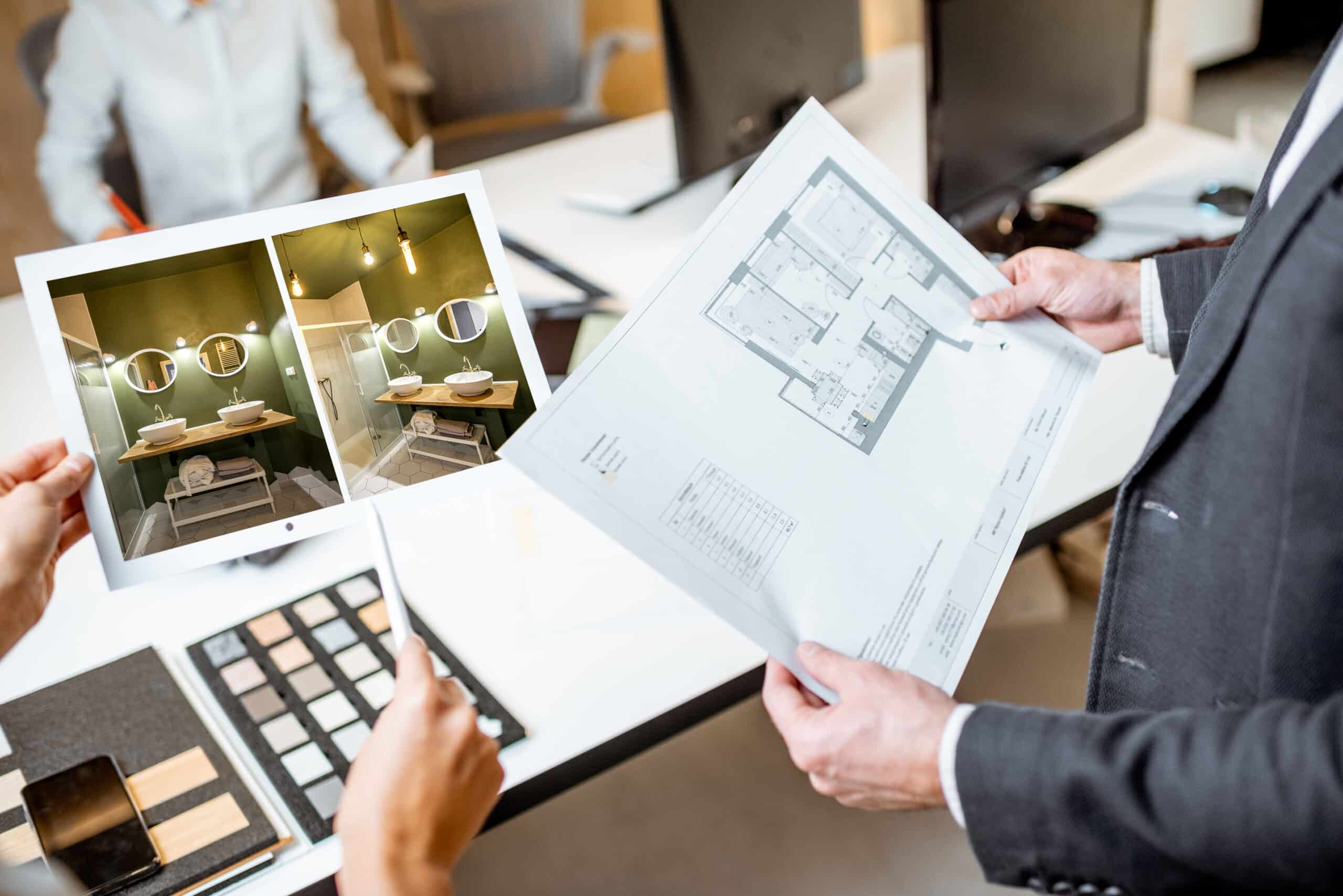
- Drawings: 2D drawings, such as floor plans, elevations, and sections, are essential for illustrating the layout, dimensions, and spatial relationships within a design. These drawings provide a technical understanding of the project, detailing the placement of walls, doors, windows, and furniture. For instance, a detailed floor plan clearly indicates the positioning of a kitchen island, ensuring it does not obstruct traffic flow.
- Renderings: 3D renderings and photorealistic visualizations provide a visual representation of the completed design. These images allow clients to see how the space will look with the selected materials, colors, and furniture. Designers often use software like 3ds Max, SketchUp, or Revit to create these renderings. A rendering of a living room, for example, might show the play of light on a new hardwood floor, allowing the client to visualize the final result before construction begins.
- Presentations: Formal presentations, often including mood boards, material samples, and digital renderings, are crucial for communicating the design concept, aesthetic, and functionality. These presentations are used to illustrate the design choices, including the selection of materials, finishes, furniture, and accessories. A presentation for a master bathroom renovation might include samples of tiles, faucets, and lighting fixtures, alongside renderings to showcase the overall design.
- Physical Mockups: For certain elements, such as custom furniture or intricate detailing, physical mockups can be invaluable. These tangible representations help clients and contractors understand the form, function, and scale of the design. A physical mockup of a custom-built bookshelf, for example, allows for a precise understanding of its dimensions and design details.
Clear and concise verbal communication is equally important. Designers should be able to explain their design choices in a way that is understandable to clients, who may not have a technical background. Avoid jargon and use plain language. Providing written documentation, such as design specifications, material lists, and construction drawings, ensures that all parties have a clear understanding of the project scope and details.
Regular meetings, both in person and via video conferencing, provide opportunities for feedback, clarification, and updates.
Collaborating with Other Professionals
Collaboration with other professionals is essential for the successful execution of interior design projects. Architects, engineers, and contractors each bring unique expertise to the project, and their coordinated efforts are crucial for ensuring that the design is both aesthetically pleasing and structurally sound.Effective collaboration requires establishing clear communication channels and defined roles and responsibilities from the outset.
- Architects: Architects are responsible for the overall design of the building, including its structural integrity. Interior designers must work closely with architects to ensure that the interior design complements the architectural design and does not compromise the building’s structural elements. For example, if an interior designer proposes removing a non-load-bearing wall, they must confirm this with the architect to ensure it does not affect the structural stability.
- Engineers: Structural engineers are involved in ensuring the structural stability of the building, while mechanical, electrical, and plumbing (MEP) engineers are responsible for the building’s systems. Interior designers must collaborate with engineers to ensure that the design complies with building codes and safety regulations. For example, the designer needs to coordinate with the MEP engineer for the placement of electrical outlets and lighting fixtures to meet code requirements and design aesthetics.
- Contractors: Contractors are responsible for executing the design according to the specifications provided. Interior designers work closely with contractors to oversee the construction process, address any issues that arise, and ensure that the design is implemented correctly. This includes regular site visits to monitor progress, review shop drawings, and address any discrepancies. For instance, a designer might work with a contractor to ensure the proper installation of custom cabinetry, ensuring the finish aligns with the design intent.
- Other Specialists: Depending on the project, interior designers may also need to collaborate with other specialists, such as lighting designers, audio-visual experts, and landscape architects. Coordination with these specialists ensures that all aspects of the design are integrated seamlessly.
Regular meetings, clear documentation, and the use of project management software can help facilitate collaboration. Project management software, such as Asana or Trello, enables the team to track tasks, share documents, and communicate effectively.
Managing Client Expectations and Addressing Feedback
Managing client expectations and addressing feedback are critical aspects of the design process. Interior designers must establish clear communication protocols and be prepared to make adjustments based on client input.The initial phase of the project involves establishing clear expectations regarding the design process, project timeline, and budget. This can be achieved through a detailed design proposal, which Artikels the scope of work, deliverables, and payment schedule.The design process typically involves several rounds of revisions.
- Initial Concept Presentation: Presenting the initial design concepts, including mood boards, floor plans, and renderings, to the client. This allows the client to provide initial feedback on the overall design direction.
- First Revision Round: Based on the client’s initial feedback, the designer revises the design and presents updated drawings and renderings. This round allows for adjustments to the layout, materials, and overall aesthetic.
- Second Revision Round (and Subsequent Rounds): Further revisions are made based on the client’s feedback, focusing on specific details, such as furniture selection, finishes, and accessories. The number of revision rounds will depend on the project’s complexity and the client’s needs.
- Final Approval: Once the client approves the final design, the designer prepares detailed construction documents and specifications for the contractor.
Project timelines should be clearly defined and communicated to the client from the outset. Providing realistic timelines and keeping the client informed of progress is important. Delays should be communicated promptly, along with a revised timeline. Regular updates, progress reports, and site visits ensure that the client is aware of the project’s status.The use of project management tools, such as online portals or shared documents, can facilitate the sharing of information and feedback.
“By using clear communication, a designer can build a strong relationship with the client, leading to a more successful project. A clear and consistent message reduces the risk of misinterpretations and ensures everyone is on the same page.”
Closure
In conclusion, the journey through the world of design in interior reveals a dynamic field that is both an art and a science. It is a process that requires a deep understanding of aesthetics, functionality, sustainability, and the ever-evolving needs of the people who will inhabit these spaces. By embracing these principles, designers can create interiors that are not only beautiful but also practical, personalized, and reflective of the latest innovations and trends.
This knowledge provides a solid foundation for those seeking to create inspiring and functional spaces that enhance the quality of life.
Frequently Asked Questions
What is the difference between interior design and interior decorating?
Interior design focuses on the planning and design of interior spaces, including structural elements and functionality. Interior decorating is primarily concerned with the aesthetics of a space, such as furniture, color schemes, and accessories.
How do I choose the right color scheme for a room?
Consider the room’s purpose, natural light, and your personal preferences. Experiment with complementary, analogous, or triadic color schemes to achieve the desired mood and aesthetic.
What are the benefits of sustainable interior design?
Sustainable design promotes environmental responsibility by using eco-friendly materials, reducing energy consumption, and improving indoor air quality, leading to healthier and more efficient spaces.
How can I make a small space feel larger?
Use light colors, mirrors, multifunctional furniture, and smart storage solutions to maximize space and create the illusion of openness.
What is universal design?
Universal design focuses on creating spaces that are accessible and usable by people of all ages, abilities, and backgrounds, promoting inclusivity.