Interior design styles encompass a vast and fascinating world, where history, creativity, and functionality converge to shape our living spaces. From the grandeur of historical periods like the Renaissance to the sleek minimalism of contemporary design, each style tells a unique story, reflecting cultural influences, technological advancements, and evolving aesthetic preferences. This exploration will delve into the origins, characteristics, and practical applications of various interior design styles, offering insights for both seasoned design enthusiasts and those just beginning to explore the possibilities.
We’ll examine the evolution of these styles, tracing their roots through historical influences and understanding how they continue to inspire modern design. Furthermore, we will uncover the core principles and elements that define each style, providing a guide to effectively identify, differentiate, and implement them in residential spaces. Finally, we’ll look ahead, exploring emerging trends and future directions in interior design, including the growing emphasis on sustainability and the impact of technology.
How do historical influences shape the evolution of different interior design styles through time?
Interior design styles are not created in a vacuum; they are deeply rooted in the historical, social, and technological contexts of their time. Each era leaves an indelible mark on how we perceive and interact with our living spaces. These influences range from the availability of new materials and manufacturing techniques to shifts in societal values and artistic movements. Understanding these historical underpinnings provides a rich context for appreciating the evolution and diversity of interior design.
Impact of Historical Periods on Interior Design Styles
The trajectory of interior design is a testament to the transformative power of historical periods. The Renaissance, the Victorian era, and the Art Deco movement, each with its unique character, profoundly shaped the aesthetic landscape of interior spaces.The Renaissance, beginning in the 14th century, marked a revival of classical art, architecture, and design. This period witnessed a shift away from the medieval styles, embracing symmetry, order, and proportion.
The use of classical motifs, such as columns, arches, and domes, became prevalent. Furniture was crafted with elaborate carvings and ornamentation, often using rich materials like walnut and marble. The Renaissance ideal of humanism also influenced interior design, with spaces designed to reflect the status and intellectual pursuits of the inhabitants.The Victorian era (1837-1901), named after Queen Victoria, was characterized by opulence, ornamentation, and a reflection of the industrial revolution’s impact.
Technological advancements made mass production possible, leading to a proliferation of furniture and decorative items. Interiors were often filled with an abundance of furniture, textiles, and accessories, reflecting a desire to display wealth and status. Dark wood, heavy draperies, and patterned wallpapers were common features. This period also saw the rise of different sub-styles, such as the Gothic Revival and the Aesthetic Movement, each with its own distinct characteristics.The Art Deco movement, flourishing in the 1920s and 1930s, represented a departure from the ornate styles of the Victorian era.
It embraced modernity, glamour, and technological innovation. Art Deco interiors featured clean lines, geometric shapes, and luxurious materials like chrome, glass, and exotic woods. The style drew inspiration from various sources, including ancient Egyptian art, Cubism, and the Machine Age. Furniture was often streamlined and functional, yet still exuded a sense of sophistication and elegance. The movement’s influence can still be seen in many architectural and design elements today.
Key Characteristics of Historical Design Styles: A Comparison
A comparative analysis reveals the distinct features that define these historical styles.
| Design Style | Architectural Features | Furniture Design | Material Usage |
|---|---|---|---|
| Renaissance | Symmetrical layouts, arches, domes, columns, emphasis on proportion and order. | Elaborately carved furniture, often featuring classical motifs, such as acanthus leaves and scrolls. | Rich materials: walnut, marble, gilding, and luxurious textiles. |
| Victorian | Ornate detailing, heavy ornamentation, high ceilings, often with elaborate moldings and cornices. | Overstuffed furniture, dark wood, intricate carvings, and a tendency to overcrowd spaces with items. | Dark woods like mahogany and walnut, heavy draperies, patterned wallpapers, and a wide array of decorative accessories. |
| Art Deco | Clean lines, geometric shapes, streamlined forms, often incorporating symmetrical designs and vertical emphasis. | Streamlined furniture, often made from exotic woods, chrome accents, and geometric patterns. | Luxurious materials: chrome, glass, mirrors, lacquer, and exotic woods. |
Contemporary Echoes of Historical Influences
The legacy of historical design styles persists in contemporary interior design. Modern designers often draw inspiration from the past, adapting and reinterpreting historical elements to create fresh and relevant spaces.The Renaissance’s emphasis on symmetry and proportion continues to influence modern layouts, particularly in formal living rooms and entryways. Contemporary designers often incorporate classical architectural details, such as crown molding and paneling, to add a touch of elegance and sophistication.
The use of high-quality materials and craftsmanship, reminiscent of the Renaissance, remains a hallmark of luxury design.The Victorian era’s influence can be seen in the resurgence of maximalism, a design philosophy that embraces bold colors, patterns, and an abundance of decorative items. Contemporary interpretations of Victorian style often focus on creating cozy and inviting spaces, incorporating velvet upholstery, patterned wallpapers, and antique furniture.
The Aesthetic Movement, a sub-style of the Victorian era, also continues to inspire contemporary designers with its focus on art, beauty, and craftsmanship.Art Deco’s influence is evident in the popularity of geometric patterns, sleek furniture, and luxurious materials. Contemporary designers often incorporate Art Deco-inspired elements, such as mirrored surfaces, chrome accents, and geometric light fixtures, to create glamorous and sophisticated interiors.
The streamlined aesthetic of Art Deco continues to resonate with modern sensibilities, providing a sense of elegance and sophistication. The ability to adapt and reinterpret historical styles demonstrates their enduring relevance and the ongoing dialogue between the past and present in the world of interior design.
What are the core principles and elements that define the characteristics of different interior design styles?
Understanding the core principles and elements is crucial to mastering interior design. These foundational concepts provide the framework for creating aesthetically pleasing and functional spaces. Applying these principles and elements thoughtfully allows designers to shape the atmosphere, evoke emotions, and cater to the specific needs and preferences of the inhabitants. This section explores these fundamentals, examining how they manifest differently across diverse interior design styles.
Fundamental Design Principles
Design principles act as the guidelines that govern how the elements of design are arranged and used to create a cohesive and visually appealing space. These principles, when applied effectively, contribute to the overall harmony and functionality of a room.The following principles are essential to understand:
- Balance: This refers to the visual equilibrium within a space. It can be achieved through symmetrical, asymmetrical, or radial arrangements. Symmetrical balance creates a formal and structured feel, while asymmetrical balance offers a more dynamic and informal aesthetic. Radial balance radiates outwards from a central point. For example, a living room in a traditional style might employ symmetrical balance with matching sofas and armchairs flanking a fireplace.Conversely, a modern style living room could embrace asymmetrical balance by positioning a large sectional sofa on one side and a smaller accent chair on the other, balancing the visual weight with artwork or a large window.
- Proportion: This principle deals with the relationship of sizes and shapes within a space. It’s about the relative scale of objects to each other and to the overall space. Good proportion creates a sense of harmony and visual comfort. For instance, in a minimalist bedroom, the proportion between a large, low bed and a few carefully chosen pieces of furniture is crucial to maintaining a clean and uncluttered aesthetic.
- Rhythm: This involves the creation of visual movement and flow within a space. It can be achieved through repetition, progression, transition, or contrast. Repeating a color, shape, or pattern creates a sense of rhythm, guiding the eye through the room. A contemporary dining room might use rhythmic repetition by lining up chairs with a consistent design along a long table.
- Emphasis: This is the focal point or the area that draws the most attention in a room. It can be achieved through color, texture, size, or placement. Every room should have a point of emphasis, such as a fireplace, a large piece of artwork, or a feature wall. In a bohemian-style living room, a vibrant, patterned rug might serve as the primary point of emphasis, drawing the eye and setting the tone for the space.
- Unity: This is the overarching principle that ties all the elements and principles together, creating a sense of cohesion and completeness. It’s about ensuring that all the elements work together harmoniously to achieve a unified design. Using a consistent color palette, material, or style throughout the space contributes to unity. In a Scandinavian-inspired kitchen, the use of light wood, white walls, and simple, functional furniture creates a sense of unity and calm.
Essential Elements of Design
The elements of design are the building blocks of any interior space. They are the tangible components that designers manipulate to create a desired aesthetic. Each element contributes uniquely to the overall atmosphere and functionality of a room.Here’s how these elements are utilized in different design styles:
- Space: This refers to the area within a room, both positive (occupied by objects) and negative (empty). The use of space defines the layout and functionality of a room.
- Modern: Open floor plans and uncluttered spaces are common, emphasizing a sense of spaciousness. Large windows and minimal furniture contribute to this effect.
- Rustic: Spaces often feel warmer and more inviting, with furniture arranged to encourage interaction. The use of natural materials, like wood and stone, contribute to this sense of intimacy.
- Art Deco: Spaces often feel luxurious and dramatic, with a focus on symmetry and geometric patterns. Furniture is often opulent and decorative.
- Minimalist: Spaces are deliberately kept sparse, with only essential items. The focus is on functionality and clean lines.
- Line: This refers to the path the eye follows, created by the edges of objects or the arrangement of elements. Lines can be horizontal, vertical, diagonal, or curved, each conveying a different feeling.
- Mid-Century Modern: Clean, horizontal lines are prevalent in furniture and architecture, creating a sense of balance and sophistication.
- Industrial: Exposed pipes and structural elements create strong vertical and diagonal lines, contributing to the raw and edgy aesthetic.
- Coastal: Soft, curved lines are often used to evoke a sense of relaxation and flow, mirroring the gentle movement of the ocean.
- Farmhouse: A mix of straight and curved lines are common, with furniture often featuring simple, clean lines alongside more ornate details.
- Form: This refers to the three-dimensional shape of objects. It’s the visual mass and volume of elements within a space.
- Bohemian: A mix of varied forms and shapes are common, with furniture often featuring intricate details and patterns.
- Scandinavian: Simple, geometric forms are prevalent, creating a sense of order and functionality.
- Glam: Luxurious and opulent forms, often with curved lines and decorative details, are utilized to create a sense of drama and elegance.
- Transitional: Blends elements of traditional and modern styles, creating a balanced and harmonious design.
- Color: This is perhaps the most impactful element, as it influences the mood and atmosphere of a space. Color can be used to create contrast, harmony, or emphasis.
- Traditional: Rich, warm colors like reds, golds, and greens are often used to create a sense of luxury and comfort.
- Contemporary: A neutral color palette with bold accent colors is common, creating a clean and sophisticated look.
- Shabby Chic: Soft, pastel colors and distressed finishes create a romantic and vintage-inspired aesthetic.
- Asian Zen: Earthy tones, such as browns, greens, and creams, are often used to create a sense of tranquility and connection with nature.
- Texture: This refers to the surface quality of an object, which can be felt or perceived visually. Texture adds depth and interest to a space.
- Rustic: Rough, natural textures like wood, stone, and woven fabrics create a sense of warmth and authenticity.
- Industrial: Exposed brick, concrete, and metal create a raw and edgy aesthetic.
- Glam: Luxurious textures like velvet, silk, and faux fur add a touch of elegance and sophistication.
- Minimalist: Smooth, clean textures are often used, with a focus on simplicity and functionality.
- Light: This element is crucial for both functionality and aesthetics, as it can transform a space. It can be natural or artificial.
- Modern: Large windows and ample natural light are often incorporated, creating a sense of spaciousness and connection to the outdoors. Artificial lighting is often used to highlight specific features.
- Mediterranean: Natural light is maximized through large windows and open spaces. Artificial lighting is often warm and inviting.
- Hollywood Regency: Dramatic lighting, including chandeliers and sconces, is often used to create a glamorous and luxurious atmosphere.
- Japandi: Soft, diffused lighting, both natural and artificial, is common, creating a sense of calm and serenity.
Creating a Specific Design Style
Successfully combining design principles and elements to achieve a specific style involves a thoughtful and deliberate approach. It’s about understanding the core characteristics of the chosen style and applying the principles and elements in a way that authentically reflects those characteristics.Here’s a guide to achieving a specific design style in a room, offering practical advice and illustrative scenarios:Consider a room makeover with the goal of achieving a Scandinavian aesthetic:
- Define the Core Characteristics: Scandinavian design is characterized by simplicity, functionality, natural light, and a focus on natural materials. Think clean lines, light colors, and minimal ornamentation.
- Select a Color Palette: Start with a base of white or light gray for the walls. This will maximize natural light and create a sense of spaciousness. Incorporate other colors sparingly, using them as accents.
- Choose Furniture with Clean Lines: Opt for furniture made of light-colored wood, such as birch or pine. Choose pieces with simple, functional designs. A wooden coffee table, a light-colored sofa, and minimalist chairs are good choices. Avoid overly ornate or bulky furniture.
- Incorporate Natural Materials: Use wood flooring, wool rugs, and linen textiles to add texture and warmth. A wooden dining table, wooden chairs, and a wool rug will enhance the space. Consider using woven baskets for storage and wooden shelves for displaying items.
- Maximize Natural Light: Keep windows uncovered or use sheer curtains to allow natural light to flood the room. Position furniture to take advantage of natural light sources.
- Use Lighting Strategically: Supplement natural light with soft, ambient lighting. Use pendant lights over the dining table, floor lamps in corners, and table lamps on side tables. Choose lamps with simple designs and warm-toned bulbs.
- Add Minimal Decor: Keep the decor to a minimum. Choose a few carefully selected items, such as a simple vase with fresh flowers, a few framed art prints, and a cozy throw blanket. Avoid clutter.
- Balance and Proportion: Ensure that the furniture is well-proportioned to the room. Create a sense of balance by arranging furniture symmetrically or asymmetrically. For instance, a small, round table can balance a larger sofa, creating visual interest.
- Emphasis and Rhythm: Create a focal point, such as a piece of art or a decorative mirror. Use repetition to create rhythm, such as by placing several similar cushions on the sofa or by using the same color in different areas of the room.
- Unity: Ensure all the elements work together harmoniously. Use a consistent color palette, materials, and style throughout the room to create a cohesive and unified design.
By following these steps, one can effectively translate the principles and elements of design into a cohesive and aesthetically pleasing Scandinavian-inspired room. This approach can be adapted for any design style, ensuring that the chosen elements work together to achieve the desired look and feel.
How can one effectively identify and differentiate between popular interior design styles?
Understanding the nuances of interior design styles is crucial for creating a cohesive and aesthetically pleasing space. Identifying these styles involves recognizing key visual cues, understanding their core principles, and being aware of common misconceptions. This knowledge empowers individuals to make informed design choices and achieve their desired aesthetic.
Key Visual Cues Distinguishing Popular Interior Design Styles
Distinguishing between various interior design styles requires a keen eye for detail. Several visual elements, including color palettes, furniture types, and decorative accessories, act as defining characteristics. Analyzing these elements provides a framework for effective style identification.Modern design often embraces a minimalist approach.
- Color Palette: Primarily neutral, featuring whites, grays, and blacks, with occasional pops of bold color as accents.
- Furniture Types: Clean lines, geometric shapes, and a focus on functionality. Materials like metal, glass, and wood are commonly used. Furniture often appears to “float” due to the open space.
- Decorative Accessories: Minimal ornamentation, with a focus on functionality and simplicity. Abstract art, geometric patterns, and strategically placed lighting are common. Consider a sleek, chrome-legged coffee table and a minimalist, black leather sofa.
Minimalist design emphasizes simplicity and functionality, often reducing design elements to their essential forms.
- Color Palette: Predominantly neutral, often featuring white walls, light-colored wood floors, and minimal color accents.
- Furniture Types: Sparse, with a focus on essential pieces. Furniture is often low-profile and has clean lines, avoiding unnecessary ornamentation. Think of a simple, platform bed frame and a few well-chosen accent chairs.
- Decorative Accessories: Very few decorative items are used, emphasizing the importance of negative space. Accessories are carefully selected and often serve a functional purpose. Consider a single, large piece of abstract art or a few carefully curated books.
Bohemian design embraces a free-spirited, eclectic aesthetic, incorporating diverse patterns, textures, and cultural influences.
- Color Palette: Rich and vibrant, including warm earthy tones, jewel tones, and a mix of patterns.
- Furniture Types: Often features vintage or antique pieces, along with handcrafted items. Furniture may be mismatched, creating a layered and lived-in feel. Consider a velvet sofa, a woven rug, and a collection of mismatched throw pillows.
- Decorative Accessories: Abundant and varied, including textiles, plants, and globally-inspired items. Layering is key, with a focus on creating a visually rich and textured environment. Consider macrame wall hangings, potted plants, and colorful textiles.
Clarifying Common Misconceptions About Interior Design Styles
Misconceptions can often lead to confusion when attempting to identify and implement different interior design styles. Understanding the defining features of each style, dispelling common myths, and providing concrete examples helps clarify the nuances of each design approach.One common misconception is that Modern and Minimalist styles are interchangeable. While both styles share a focus on clean lines and simplicity, they differ in their approach.
Modern design allows for more color and decorative elements, while Minimalist design prioritizes functionality and the absence of clutter. A Modern living room might include a colorful abstract painting and a patterned rug, while a Minimalist living room would likely feature a single, large piece of art and a neutral-colored rug.Another misconception is that Bohemian style is simply a collection of random items.
In reality, Bohemian design requires a curated approach, balancing diverse elements to create a cohesive aesthetic. The style isn’t just about throwing things together; it involves a thoughtful selection of textiles, furniture, and accessories that tell a story and reflect a personal style. A well-executed Bohemian space often incorporates a theme or a specific color palette to create visual harmony, even with the mix of elements.A further misunderstanding is that all styles are rigid and inflexible.
While each style has core principles, designers can personalize these to suit individual preferences. For instance, a Modern design can incorporate warm wood tones to create a cozier atmosphere, while a Minimalist design can feature a few carefully chosen, sentimental items to add personality. A Bohemian design can be tailored to incorporate a specific cultural influence, such as Moroccan or Indian elements, to reflect the homeowner’s personal interests.
Comparative Analysis of Contrasting Interior Design Styles
Comparing different interior design styles highlights their similarities and differences, allowing for a deeper understanding of their individual characteristics and overall impact. The following analysis compares Modern, Farmhouse, and Industrial styles.
Modern: Characterized by clean lines, geometric shapes, and a focus on functionality. Color palettes are often neutral, with accents of bold color. The ambiance is sleek, sophisticated, and uncluttered. Functionality is prioritized, with furniture designed for ease of use and space optimization. Examples include open floor plans, minimalist furniture, and abstract art.
Farmhouse: Emphasizes comfort, warmth, and a connection to nature. Color palettes often feature neutral tones, such as whites, creams, and grays, with accents of natural wood and greenery. The ambiance is inviting, cozy, and rustic. Functionality is key, with an emphasis on durable materials and practical design elements. Examples include shiplap walls, distressed furniture, and vintage-inspired accessories.
Industrial: Celebrates raw materials, exposed elements, and a utilitarian aesthetic. Color palettes often feature neutral tones, such as grays and blacks, with accents of metal and wood. The ambiance is edgy, urban, and slightly unfinished. Functionality is balanced with a focus on visual interest, using exposed pipes, brick walls, and vintage factory lighting. Examples include exposed brick walls, metal furniture, and Edison bulb lighting.
What are the practical considerations for implementing diverse interior design styles in residential spaces?
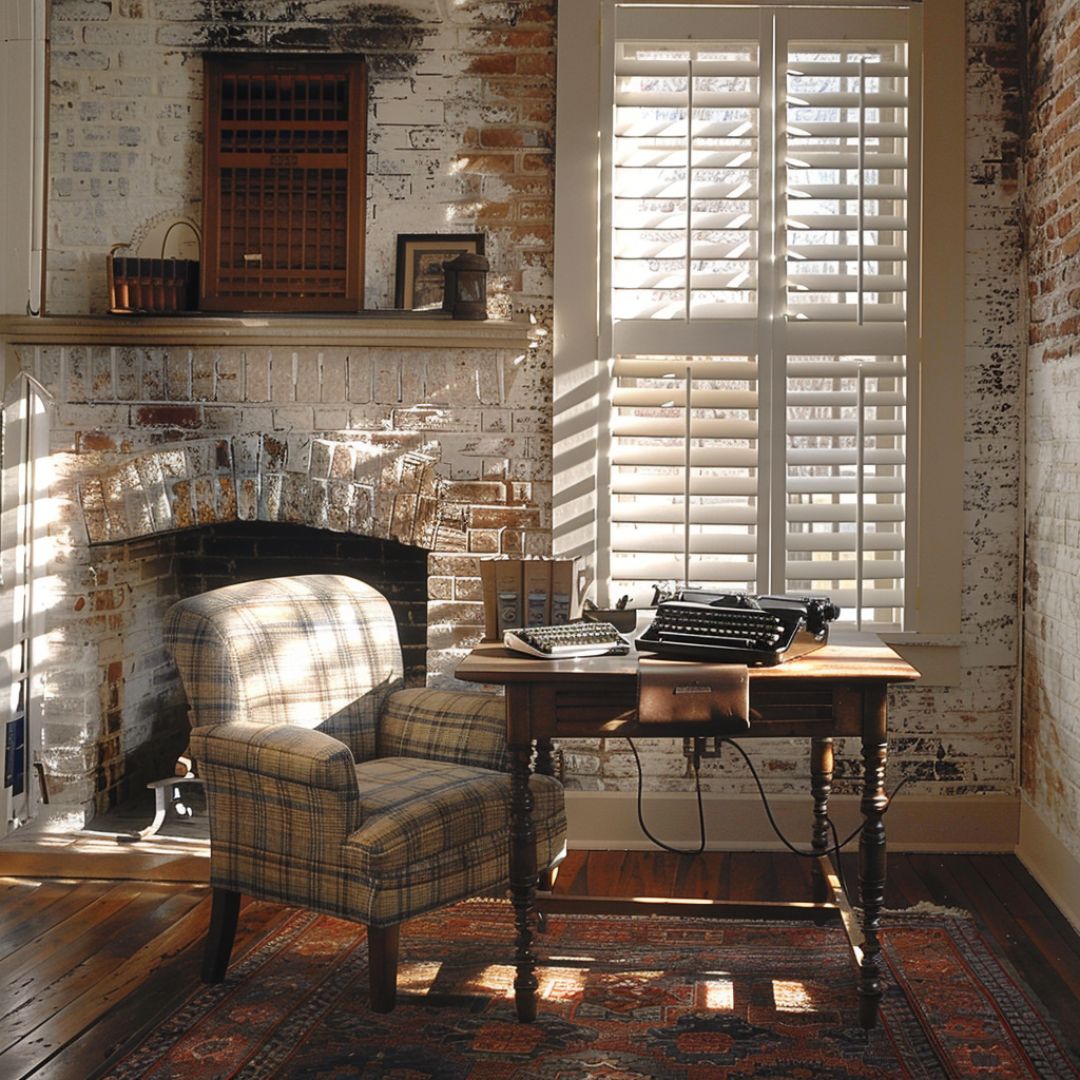
Implementing diverse interior design styles in residential spaces requires careful planning and execution to ensure functionality, aesthetic appeal, and personal comfort. This involves understanding the nuances of each style, adapting them to the specific characteristics of the space, and making informed decisions about materials, lighting, and furnishings. Successfully integrating these elements creates a cohesive and inviting home environment.
Space Planning and Adaptation
Space planning is crucial for successfully implementing any interior design style. It involves analyzing the existing layout, considering the flow of traffic, and determining the best use of each area. The ability to adapt different design styles to various room sizes and layouts is essential for achieving the desired aesthetic and functionality.To adapt different styles to various spaces, consider these points:
- Small Spaces: In small spaces, minimalist or Scandinavian styles can work exceptionally well. These styles emphasize clean lines, neutral colors, and functional furniture. For example, in a small living room, a multi-functional sofa bed can maximize space, while light-colored walls and large mirrors can create the illusion of more space. Utilize vertical space with floating shelves or tall storage units to avoid clutter.
- Large Spaces: Large spaces offer more flexibility, allowing for styles like traditional or maximalist. In a large living room, a traditional style might include a grand fireplace, a large sectional sofa, and a variety of accent chairs. Consider defining different zones within the space, such as a reading nook, a conversation area, and a dining space. Employ rugs to anchor furniture groupings and add warmth.A maximalist style might incorporate bold patterns, vibrant colors, and a collection of art and decorative objects.
- Open-Concept Layouts: Open-concept layouts require careful planning to define different areas. Use area rugs, changes in flooring materials, or strategically placed furniture to delineate the living, dining, and kitchen areas. For instance, in a modern open-concept space, a sleek kitchen island with bar stools can serve as a visual divider between the kitchen and living areas, while a large, plush rug can define the living room space.The placement of lighting fixtures can also help define zones.
- Room Shape: Consider the shape of the room. Long, narrow rooms benefit from furniture arrangements that break up the space, such as placing a sofa perpendicular to a wall to create a visual break. Square rooms can be made more dynamic by using diagonal furniture arrangements or incorporating curved furniture pieces.
- Traffic Flow: Ensure a clear and unobstructed traffic flow throughout the space. Avoid placing furniture in high-traffic areas, and leave sufficient space between furniture pieces for easy movement.
Material, Finish, and Furnishing Selection
Selecting appropriate materials, finishes, and furnishings is crucial for successfully executing any interior design style. These choices significantly impact the overall aesthetic, durability, budget, and personal preferences.The following points should be considered when making these selections:
- Style Compatibility: Ensure that materials and finishes align with the chosen design style. For example, a modern style often uses sleek materials like stainless steel, glass, and concrete, while a farmhouse style embraces natural materials like wood, linen, and exposed brick.
- Durability: Consider the durability of materials, especially in high-traffic areas. Choose durable flooring options like hardwood, tile, or laminate for areas like entryways and kitchens. Upholstery fabrics should also be selected based on their durability and stain resistance, particularly in homes with children or pets.
- Budget: Establish a budget early in the planning process. Prices vary significantly depending on the materials, finishes, and furnishings. For example, a high-end kitchen remodel might include custom cabinetry, granite countertops, and designer appliances, while a budget-friendly option could involve IKEA cabinetry, laminate countertops, and standard appliances.
- Personal Preferences: Incorporate personal preferences into the design. Choose colors, patterns, and textures that resonate with you. Don’t be afraid to mix and match styles to create a unique and personalized space.
- Material Examples:
- Modern: Concrete flooring, stainless steel appliances, glass tabletops, leather sofas.
- Farmhouse: Shiplap walls, reclaimed wood furniture, linen curtains, ceramic tile.
- Bohemian: Rattan furniture, macrame wall hangings, patterned textiles, vintage rugs.
- Traditional: Dark wood furniture, velvet upholstery, ornate moldings, patterned wallpaper.
- Finishing Touches: Consider the finishing touches. These can include hardware (door knobs, cabinet pulls), window treatments (curtains, blinds), and decorative accessories (pillows, throws, artwork).
Lighting Techniques and Enhancement
Lighting plays a pivotal role in enhancing the mood and atmosphere of various interior design styles. The strategic use of different lighting techniques can significantly impact the overall aesthetic and functionality of a space.Consider the following points:
- Layered Lighting: Layered lighting involves combining ambient, task, and accent lighting to create a well-lit and visually appealing space. Ambient lighting provides overall illumination, task lighting is used for specific activities, and accent lighting highlights architectural features or decorative objects.
- Style-Specific Lighting: Choose lighting fixtures that complement the design style. For example, a modern style might feature sleek, minimalist pendant lights or recessed lighting, while a farmhouse style could incorporate rustic chandeliers or exposed bulb fixtures.
- Color Temperature: Consider the color temperature of light bulbs. Warm white light (around 2700K) creates a cozy and inviting atmosphere, while cool white light (around 4000K) provides a brighter and more energetic feel.
- Specific Examples:
- Modern: Recessed lighting, track lighting, pendant lights with clean lines, and LED strip lighting for under-cabinet illumination.
- Farmhouse: Chandeliers with Edison bulbs, sconces with metal shades, and table lamps with linen shades.
- Bohemian: String lights, Moroccan lanterns, and colorful lamps with patterned shades.
- Traditional: Crystal chandeliers, wall sconces with fabric shades, and table lamps with ornate bases.
- Placement: Consider the placement of lighting fixtures to highlight key features or create desired effects. For example, placing a spotlight on a piece of artwork can draw attention to it, while using uplighting can create a dramatic effect on a wall.
- Dimming Capabilities: Install dimmers to control the intensity of the light and adjust the mood. Dimmers provide flexibility to adapt the lighting to different times of day or activities.
What are the emerging trends and future directions in the world of interior design styles?
The interior design landscape is in constant flux, shaped by societal shifts, technological advancements, and evolving aesthetic preferences. This section explores the key emerging trends and future directions in interior design, focusing on sustainability, technological integration, and the fusion of global influences. The goal is to provide a comprehensive understanding of how these forces are reshaping the way we conceive and experience interior spaces.
Rise of Sustainable and Eco-Friendly Design Practices
Sustainable design is no longer a niche trend but a fundamental principle driving the evolution of interior design styles. The growing awareness of environmental concerns and the desire for healthier living spaces have propelled the adoption of eco-friendly practices across various design disciplines. This shift encompasses material selection, construction methods, and overall design philosophy.
- Sustainable Materials: The use of renewable, recycled, and low-impact materials is becoming increasingly prevalent. Examples include:
- Reclaimed Wood: Sourced from old buildings, barns, or salvaged timber, reclaimed wood adds character and reduces deforestation. For instance, a dining table crafted from reclaimed oak can become a focal point, telling a story of its previous life.
- Bamboo: A rapidly renewable resource, bamboo is used in flooring, furniture, and decorative elements. Its strength and versatility make it an excellent alternative to traditional hardwoods. Consider bamboo flooring in a living room, providing a warm and sustainable foundation.
- Cork: Harvested from the bark of cork oak trees, cork is a sustainable and versatile material used for flooring, wall coverings, and furniture. Its sound-absorbing properties make it ideal for home offices and bedrooms. A cork wall panel can enhance the acoustics of a room while adding a natural aesthetic.
- Recycled Glass and Plastics: These materials are transformed into tiles, countertops, and other design elements, reducing waste and giving new life to discarded materials. Recycled glass tiles in a bathroom can create a stunning and environmentally conscious design.
- Organic Fabrics: Cotton, linen, and hemp, grown without pesticides and herbicides, are increasingly used for upholstery, curtains, and bedding, promoting healthier indoor air quality. Organic cotton curtains can add a touch of softness and sustainability to a bedroom.
- Eco-Conscious Design Approaches: Designers are adopting various strategies to minimize environmental impact:
- Passive Design: This approach utilizes natural light, ventilation, and thermal mass to reduce energy consumption. Large windows strategically placed to maximize natural light and ventilation can reduce the need for artificial lighting and air conditioning.
- Biophilic Design: Incorporating natural elements like plants, natural light, and organic forms to connect people with nature. A living wall in a living room can purify the air and create a calming atmosphere.
- Modular and Flexible Design: Designing spaces that can adapt to changing needs and lifestyles, reducing the need for renovations and waste. A modular sofa that can be reconfigured can adapt to various living situations.
- Water Conservation: Using water-efficient fixtures and landscaping to reduce water usage. Low-flow faucets and toilets can significantly reduce water consumption in a bathroom.
- Certifications and Standards: The rise of green building certifications, such as LEED (Leadership in Energy and Environmental Design) and WELL, provides a framework for sustainable design and ensures that buildings meet specific environmental and health standards.
Impact of Technology on Interior Design, Interior design styles
Technology is fundamentally reshaping interior design, transforming how spaces are conceived, designed, and experienced. From smart home integration to virtual reality, technology is enhancing functionality, personalization, and the overall design process.
- Smart Home Integration: The integration of smart home technology allows for greater control and automation of various aspects of a home, including lighting, temperature, security, and entertainment.
- Smart Lighting: Smart bulbs and lighting systems allow for customized lighting schemes and energy efficiency. Homeowners can adjust the brightness and color temperature of lights remotely via a smartphone or voice control.
- Smart Thermostats: Smart thermostats learn homeowners’ preferences and adjust the temperature automatically, optimizing energy consumption and comfort.
- Smart Security Systems: These systems offer enhanced security features, including remote monitoring, door and window sensors, and video surveillance.
- Voice Assistants: Voice assistants like Amazon Alexa and Google Assistant allow homeowners to control various smart home devices with voice commands.
- Virtual Reality (VR) and Augmented Reality (AR): VR and AR technologies are revolutionizing the design process by allowing clients to visualize and experience designs before they are built.
- Virtual Tours: VR allows clients to take virtual tours of proposed designs, providing a realistic sense of space and layout.
- AR Applications: AR applications enable clients to visualize furniture and decor in their own homes, helping them make informed decisions. An AR app can allow a user to “place” a virtual sofa in their living room to see how it looks before purchasing.
- 3D Modeling and Rendering: Designers use advanced software to create detailed 3D models and photorealistic renderings of interior spaces, allowing for better visualization and communication.
- Digital Design Tools: CAD (Computer-Aided Design) software, BIM (Building Information Modeling), and other digital tools are streamlining the design process and enhancing collaboration.
- CAD Software: CAD software enables designers to create detailed floor plans, elevations, and 3D models.
- BIM: BIM allows for the creation of a comprehensive digital model of a building, integrating all aspects of the design and construction process.
- Online Collaboration Platforms: Platforms like Asana and Trello facilitate communication and collaboration among designers, clients, and contractors.
Forecast for Future Design Styles
The future of interior design will likely be characterized by a fusion of global influences, technological advancements, and evolving lifestyle preferences. The following are potential directions for future design styles.
- Global Fusion: Interior design will increasingly embrace a blend of global cultures, drawing inspiration from diverse traditions and aesthetics. This could manifest as:
- Japandi-Inspired Spaces: The fusion of Japanese minimalism and Scandinavian design will continue to evolve, with a focus on natural materials, clean lines, and a sense of calm. Think of a living room with a low-profile sofa, a wooden coffee table, and soft, neutral colors.
- Afro-Minimalism: Incorporating elements of African design, such as vibrant textiles, bold patterns, and handcrafted furniture, into minimalist spaces. Imagine a white-walled room enlivened with colorful cushions, a patterned rug, and sculptural wooden furniture.
- Cultural Hybrids: The creation of spaces that reflect the unique cultural backgrounds of their inhabitants, incorporating elements from various traditions. A dining room could feature a Moroccan-inspired tile backsplash, Indian-style cushions, and a minimalist dining table.
- Technologically Enhanced Spaces: Technology will play an even greater role in shaping the functionality and aesthetics of interior spaces.
- Adaptive Environments: Spaces that can adapt to the needs of their inhabitants, using smart technology to adjust lighting, temperature, and layout automatically.
- Immersive Experiences: The integration of VR and AR to create immersive experiences within the home, such as virtual art galleries or interactive entertainment spaces.
- Biometric Integration: The use of biometric data to personalize the environment, such as adjusting lighting and temperature based on a person’s mood or activity level.
- Personalized and Flexible Living: Design will prioritize flexibility and personalization to accommodate changing lifestyles.
- Modular and Transformable Furniture: Furniture that can be easily reconfigured to suit different needs and activities. A sofa that can be transformed into a bed, or a table that can be expanded for large gatherings.
- Multi-Functional Spaces: Spaces that serve multiple purposes, such as a living room that doubles as a home office or a kitchen that also functions as a dining area.
- Wellness-Focused Design: Spaces designed to promote health and well-being, incorporating features like natural light, air purification systems, and dedicated relaxation areas. A bedroom with a comfortable reading nook, air purifier, and a calming color palette.
Final Summary

In conclusion, the world of interior design styles offers a rich tapestry of possibilities, blending history, art, and innovation to create spaces that resonate with our individual tastes and needs. From understanding the foundational principles to embracing the latest trends, this journey provides a comprehensive overview of how we shape the environments we inhabit. Whether you are seeking to revitalize a single room or embark on a complete design overhaul, the knowledge gained from exploring these styles will empower you to transform your spaces into havens of beauty and functionality.
Common Queries: Interior Design Styles
What is the difference between Modern and Contemporary design?
Modern design refers to a specific design movement from the early to mid-20th century, characterized by clean lines, functionalism, and a focus on natural materials. Contemporary design, on the other hand, is constantly evolving and reflects current trends, incorporating elements from various styles while often emphasizing minimalism, sustainability, and technological integration.
How do I choose the right interior design style for my home?
Consider your personal preferences, lifestyle, and the existing architecture of your home. Research different styles, gather inspiration, and determine which best reflects your personality and meets your practical needs. Don’t be afraid to experiment and blend elements from different styles to create a unique and personalized space.
What are the most common mistakes people make when decorating their homes?
Some common mistakes include overcrowding a space, using an unbalanced color palette, neglecting the functionality of a room, and failing to consider the scale and proportion of furniture. It’s also important to avoid following trends blindly and to focus on creating a space that feels comfortable and reflects your individual style.