Interior designer is a multifaceted profession that goes far beyond selecting paint colors and furniture. It’s a blend of artistry, technical expertise, and project management, all geared towards transforming spaces into functional and aesthetically pleasing environments. This comprehensive guide delves into the core responsibilities, diverse specializations, and essential skills needed to thrive in this dynamic field.
We’ll explore the intricate process of working with an interior designer, from the initial consultation to the final reveal, and examine the emerging trends and technologies that are reshaping the industry. Prepare to discover the legal and ethical considerations, the educational pathways, and the tools that empower interior designers to create spaces that inspire and enhance lives. This exploration will unveil the depth and breadth of the interior design world.
Understanding the Core Responsibilities of an Interior Designer Beyond Aesthetics
Interior design encompasses far more than simply selecting colors and furniture. It is a multifaceted profession that requires a blend of creativity, technical expertise, and project management skills. The role of an interior designer is to create functional, safe, and aesthetically pleasing spaces that meet the needs of the client, while adhering to various regulations and managing complex projects from inception to completion.
This involves a deep understanding of space planning, building codes, and the ability to effectively communicate with clients, contractors, and vendors.
Project Management and Execution, Interior designer
A significant aspect of an interior designer’s role involves the meticulous management of projects. This includes developing comprehensive plans, managing budgets, and overseeing timelines to ensure projects are completed successfully and within agreed-upon parameters. Effective project management is crucial for minimizing delays, controlling costs, and maintaining client satisfaction. The designer must possess strong organizational skills, be able to anticipate potential challenges, and proactively find solutions.
This also includes the selection and supervision of contractors, ensuring the quality of work meets the designer’s standards and the client’s expectations.Interior designers utilize various tools and techniques to manage their projects efficiently. They create detailed plans, including drawings and specifications, that serve as a roadmap for the entire project. These plans are regularly updated to reflect any changes or revisions.
Designers also employ project management software to track progress, manage budgets, and communicate with team members. Furthermore, they conduct regular site visits to monitor the work and ensure that it aligns with the design plan.
Budgeting, Timelines, and Vendor Relationships
Managing budgets, adhering to timelines, and cultivating strong vendor relationships are critical components of successful interior design projects. Designers are responsible for creating realistic budgets, tracking expenses, and ensuring projects stay within financial constraints. They also develop detailed timelines that Artikel project milestones and deadlines. Maintaining strong relationships with vendors, such as contractors, suppliers, and artisans, is essential for obtaining quality materials and services at competitive prices.The following table illustrates the process of managing budgets, timelines, and vendor relationships:
| Budget Management | Timeline Management | Vendor Relationship Management |
|---|---|---|
| Creating and Monitoring Budgets: Develop a detailed budget that includes all anticipated costs, such as materials, labor, and furnishings. Track expenses regularly and compare them against the budget. Identify and address any potential overruns promptly.
Example: A residential project budget of $100,000, broken down into material costs ($40,000), labor ($30,000), and furnishings ($30,000). Regular tracking reveals a $5,000 overrun in material costs due to unforeseen issues. The designer then works to find cost-effective alternatives or negotiate with suppliers to stay within budget. |
Developing and Adhering to Timelines: Create a project timeline with clear milestones and deadlines. Monitor progress regularly and make adjustments as needed. Communicate any delays to the client promptly.
Example: A commercial office renovation with a timeline of 12 weeks, including demolition (2 weeks), construction (6 weeks), and furnishing/finishing (4 weeks). Regular site visits reveal a delay in the construction phase due to material shortages. The designer then works with the contractor to expedite other aspects of the project or adjust the overall timeline accordingly. |
Selecting and Managing Vendors: Research and select reputable vendors, such as contractors, suppliers, and artisans. Negotiate contracts and pricing. Maintain clear communication and provide timely feedback.
Example: Selecting a flooring supplier for a project. The designer researches several suppliers, compares pricing and product quality, and selects the supplier that offers the best value. The designer then negotiates the contract terms, including delivery schedules and warranties, and maintains regular communication throughout the project to ensure the flooring is delivered on time and meets the required specifications. |
Legal and Ethical Considerations
Interior designers must operate within a framework of legal and ethical guidelines to ensure the safety and well-being of their clients and the public. These considerations encompass adherence to building codes, accessibility standards, and professional conduct. Ignoring these aspects can lead to legal issues, jeopardize the safety of occupants, and damage the designer’s reputation.
- Building Codes: Interior designers must be well-versed in local building codes, which dictate safety standards related to fire safety, structural integrity, and egress. They are responsible for ensuring that their designs comply with these codes.
Compliance with building codes is non-negotiable and essential for occupant safety.
- Accessibility Standards: Designers must understand and implement accessibility standards, such as those Artikeld in the Americans with Disabilities Act (ADA), to create spaces that are usable and accessible to individuals with disabilities. This includes considerations for doorways, hallways, and fixtures.
- Professional Conduct: Interior designers are expected to adhere to a code of ethics, which includes maintaining client confidentiality, avoiding conflicts of interest, and providing honest and accurate representations of their services.
Exploring Diverse Specializations Within the Interior Design Field
Interior design is a multifaceted profession offering a wide array of specializations, each catering to unique client needs and project requirements. From crafting comfortable homes to designing functional and aesthetically pleasing commercial spaces, interior designers utilize their skills and expertise to shape the built environment. Understanding these diverse specializations is crucial for aspiring designers and clients seeking specific design solutions.
Residential Design Specialization
Residential design focuses on creating functional, comfortable, and aesthetically pleasing living spaces within homes. This specialization demands a deep understanding of human needs, spatial planning, and building codes related to private residences. Successful residential designers must balance client preferences with practical considerations, ensuring a cohesive and personalized design.
- Skills and Knowledge: Proficiency in space planning, furniture selection, material specification, lighting design, and understanding of residential building codes. A strong ability to communicate effectively with clients, contractors, and other professionals is also essential.
- Hypothetical Project: Redesign of a family home’s kitchen and living area.
- Design Elements: Open-concept layout to improve flow, custom cabinetry with ample storage, durable and stylish flooring, energy-efficient lighting, and a cohesive color palette that reflects the family’s personality.
- Considerations: Prioritizing functionality for daily use, incorporating child-friendly materials, maximizing natural light, and adhering to local building codes for renovations.
Commercial Design Specialization
Commercial design encompasses the planning and execution of interior spaces for businesses and organizations, including offices, retail stores, restaurants, and hotels. This specialization requires a strong understanding of business needs, brand identity, accessibility standards, and building regulations specific to commercial properties. The goal is to create spaces that enhance productivity, attract customers, and reflect the brand’s image.
- Skills and Knowledge: Expertise in space planning for commercial purposes, knowledge of ADA (Americans with Disabilities Act) compliance, understanding of building codes and regulations, proficiency in project management, and strong communication and collaboration skills.
- Hypothetical Project: Design of a new office space for a tech startup.
- Design Elements: Open-plan workspaces to encourage collaboration, private meeting rooms for focused work, a vibrant break room with a kitchen, ergonomic furniture, and the incorporation of the company’s branding through color, graphics, and materials.
- Considerations: Maximizing natural light, optimizing acoustics, creating flexible workspaces that can adapt to changing needs, and ensuring compliance with all relevant building codes and accessibility standards.
Hospitality Design Specialization
Hospitality design focuses on creating aesthetically pleasing and functional spaces for hotels, restaurants, bars, and other establishments in the hospitality industry. This specialization demands a deep understanding of guest experience, operational efficiency, and the creation of inviting and memorable environments. Designers must consider factors like traffic flow, acoustics, lighting, and the overall ambiance to enhance the guest experience.
- Skills and Knowledge: Expertise in space planning for hospitality environments, knowledge of FF&E (Furniture, Fixtures, and Equipment) selection, understanding of hospitality industry trends, proficiency in budgeting and project management, and a keen eye for detail in creating ambiance.
- Hypothetical Project: Renovation of a boutique hotel lobby and guest rooms.
- Design Elements: A welcoming lobby with comfortable seating areas, a stylish reception desk, a signature scent, guest rooms with a focus on comfort and functionality, high-quality finishes, and carefully chosen artwork.
- Considerations: Creating a sense of arrival, maximizing space utilization, incorporating sustainable design practices, ensuring ease of maintenance, and creating a cohesive brand experience throughout the property.
Healthcare Design Specialization
Healthcare design focuses on creating therapeutic and functional environments for hospitals, clinics, and other healthcare facilities. This specialization demands a deep understanding of healthcare operations, patient needs, infection control protocols, and accessibility standards. The goal is to create spaces that promote healing, enhance patient comfort, and support the efficient delivery of healthcare services.
- Skills and Knowledge: Expertise in space planning for healthcare facilities, knowledge of infection control and safety regulations, understanding of accessibility standards (ADA and others), proficiency in material selection for healthcare environments, and strong communication skills to collaborate with healthcare professionals.
- Hypothetical Project: Redesign of a hospital patient room.
- Design Elements: Comfortable and ergonomic patient beds, ample storage space for personal belongings, a dedicated area for family members, easy-to-clean and durable surfaces, indirect lighting to promote relaxation, and integration of technology for patient monitoring and communication.
- Considerations: Promoting patient safety, minimizing the risk of infection, ensuring ease of cleaning and maintenance, creating a sense of privacy and dignity for patients, and complying with all relevant healthcare regulations.
| Specialization | Key Skills | Project Focus | Unique Challenges |
|---|---|---|---|
| Residential | Space planning, material selection, client communication, knowledge of residential building codes | Designing comfortable and functional living spaces for homes | Balancing client preferences with practicality, adhering to budget constraints, navigating local building regulations. |
| Commercial | Space planning for commercial use, understanding of ADA compliance, project management, knowledge of building codes | Creating productive and brand-aligned spaces for businesses | Meeting business needs, ensuring accessibility, complying with complex building regulations, managing project timelines and budgets. |
| Hospitality | Space planning for hospitality, FF&E selection, understanding of hospitality trends, budgeting, and project management | Designing inviting and functional spaces for hotels and restaurants | Balancing aesthetics with operational efficiency, enhancing guest experience, managing project budgets, maintaining brand consistency. |
| Healthcare | Space planning for healthcare, knowledge of infection control, understanding of accessibility standards, material selection | Creating therapeutic and functional environments for healthcare facilities | Prioritizing patient safety, adhering to stringent regulations, understanding complex operational needs, balancing functionality with aesthetics. |
The Process of Working with an Interior Designer from Initial Consultation to Project Completion
Embarking on an interior design project can be an exciting journey. Understanding the step-by-step process of working with a professional ensures a smooth and successful outcome. From the initial spark of an idea to the final reveal, collaborating with an interior designer involves a structured approach that transforms your vision into reality. This process involves clear communication, detailed planning, and expert execution, all working together to create a functional and aesthetically pleasing space.The collaboration typically involves several distinct phases, each crucial to the overall success of the project.
These phases, carefully managed by the interior designer, ensure that every detail aligns with your needs and preferences. From conceptualizing the design to overseeing the construction and installation, the designer acts as your advocate and project manager.
Initial Consultation and Needs Assessment
The initial consultation is the foundation of the entire project. This meeting allows the designer to understand your needs, preferences, and the scope of the project.The process typically involves:
- Initial Meeting: This is where you discuss your vision, goals, budget, and timeline with the interior designer. You’ll share inspiration images, discuss existing furniture, and Artikel your lifestyle needs.
- Site Visit (if applicable): The designer will assess the existing space, taking measurements, photographs, and noting any architectural features or limitations. This is essential for accurate space planning.
- Needs Assessment: The designer will gather detailed information about your lifestyle, functional requirements, and aesthetic preferences. This includes understanding how you use the space, your storage needs, and your desired style.
- Budget Discussion: A realistic budget is established, considering both design fees and the cost of materials, furnishings, and construction.
- Proposal and Contract: The designer presents a proposal outlining the scope of work, fees, and project timeline. A contract is then signed to formalize the agreement.
Design Development Phases
Once the initial consultation is complete and the contract is signed, the design development phase begins. This is where the creative vision takes shape, with detailed planning and decision-making.The key stages are:
- Space Planning: This involves creating floor plans, furniture layouts, and 3D renderings to optimize the use of space and ensure functionality. The designer considers traffic flow, accessibility, and the placement of key elements.
- Concept Development: The designer develops a cohesive design concept, including mood boards, color palettes, material selections, and furniture styles. This phase aims to establish the overall aesthetic direction of the project.
- Material and Finishes Selection: The designer curates a selection of materials, finishes, and furnishings, considering durability, aesthetics, and budget. This includes selecting flooring, wall coverings, fabrics, lighting fixtures, and accessories.
- Construction Documentation: Detailed drawings, specifications, and schedules are created for contractors. These documents Artikel the scope of work, including demolition, construction, electrical, and plumbing requirements.
Project Execution and Handover
The final stages involve bringing the design to life, managing the construction process, and ensuring a seamless transition into your new space.The process includes:
- Contractor Selection and Bidding: The designer may assist in selecting qualified contractors and obtaining bids for the construction work.
- Construction Administration: The designer oversees the construction process, ensuring that the work is completed according to the design plans and specifications. This involves regular site visits, addressing any issues that arise, and coordinating with contractors.
- Procurement and Purchasing: The designer manages the procurement of materials, furnishings, and accessories, coordinating deliveries and ensuring timely installation.
- Installation and Styling: The designer oversees the installation of furnishings, accessories, and artwork, ensuring that the space is styled to perfection.
- Project Handover: The final walkthrough with the client, addressing any remaining issues and providing instructions for the care and maintenance of the space.
Sample Project Timeline (Residential Design)
Here is a sample project timeline outlining the key milestones and deliverables for a typical residential design project. Note that the duration of each phase can vary depending on the complexity and scope of the project.
| Phase | Milestones | Deliverables |
|---|---|---|
| Phase 1: Initial Consultation & Planning (2-4 weeks) |
|
|
| Phase 2: Design Development (4-8 weeks) |
|
|
| Phase 3: Construction & Procurement (8-16 weeks) |
|
|
| Phase 4: Installation & Handover (2-4 weeks) |
|
|
Essential Skills and Qualifications for a Successful Interior Design Career
A successful career in interior design demands a multifaceted skillset, blending artistic flair with practical know-how. This profession requires individuals to be creative problem-solvers, adept communicators, and possess a strong understanding of business principles. The following sections detail the crucial skills, educational pathways, and portfolio strategies essential for thriving in this dynamic field.
Critical Skills and Qualifications
To excel in interior design, professionals must cultivate a range of abilities. These skills contribute to a designer’s ability to conceptualize, execute, and manage projects effectively. The most important skills are creativity, technical proficiency, communication, and business acumen.
- Creativity and Artistic Vision: Interior designers must possess a strong aesthetic sense, the ability to visualize spaces, and generate innovative design solutions. They should be able to translate client visions into tangible realities. This involves understanding color theory, spatial relationships, and the impact of light and texture.
- Technical Proficiency: A solid grasp of technical aspects is vital. This includes proficiency in computer-aided design (CAD) software, Building Information Modeling (BIM), and other design tools. Understanding building codes, construction methods, and material specifications is also essential for creating safe and functional spaces.
- Communication and Interpersonal Skills: Interior design is a collaborative process. Designers must effectively communicate with clients, contractors, architects, and other stakeholders. This involves active listening, clear articulation of ideas, and the ability to negotiate and manage expectations.
- Business Acumen: Running a successful interior design practice requires a good understanding of business principles. Designers must be able to manage budgets, create proposals, negotiate contracts, and market their services. Knowledge of project management, accounting, and legal aspects is also important.
Educational Pathways, Certifications, and Professional Development
Aspiring and established interior designers have various avenues for acquiring the necessary knowledge and skills. These pathways range from formal education to professional certifications and ongoing professional development opportunities.
- Educational Pathways:
- Bachelor’s Degree in Interior Design: A four-year degree provides a comprehensive foundation in design principles, technical skills, and design theory. This is often the most common entry point.
- Associate’s Degree in Interior Design: A two-year degree offers a focused curriculum, often emphasizing practical skills. This can be a good starting point or a pathway for career changers.
- Master’s Degree in Interior Design: A postgraduate degree can specialize in specific areas, such as sustainable design or commercial design, and can be useful for leadership roles or research.
- Certifications:
- NCIDQ Certification (National Council for Interior Design Qualification): This is the most widely recognized certification in the United States. It demonstrates a designer’s competence and knowledge of the profession. Passing the NCIDQ exam is a significant milestone.
- LEED Accreditation (Leadership in Energy and Environmental Design): This certification focuses on sustainable design practices. It demonstrates expertise in environmentally responsible design.
- Professional Development Opportunities:
- Continuing Education Courses: These courses help designers stay current with industry trends, new technologies, and evolving building codes.
- Workshops and Seminars: Attending workshops and seminars allows designers to hone specific skills, such as software proficiency or project management techniques.
- Industry Conferences: Conferences provide networking opportunities and exposure to the latest innovations and best practices.
- Mentorship Programs: Mentorship can provide valuable guidance and support from experienced professionals.
Building a Strong Portfolio
A well-crafted portfolio is essential for showcasing design projects and capabilities. It serves as a visual representation of a designer’s skills, style, and experience.
- Portfolio Layout and Content:
- Project Selection: Choose projects that demonstrate a range of skills and design styles. Include a variety of project types, such as residential, commercial, and hospitality.
- High-Quality Photography: Use professional-quality photographs to showcase the completed designs. Ensure the images are well-lit and accurately represent the spaces.
- Detailed Project Descriptions: Provide concise descriptions of each project, including the client’s needs, the design challenges, and the solutions implemented.
- Drawings and Renderings: Include floor plans, elevations, and 3D renderings to illustrate the design process and technical skills.
- Material Boards and Specifications: Include material boards and specifications to showcase the selection of finishes, furniture, and fixtures.
- Examples of Effective Portfolio Layouts and Content:
Example 1: Residential Project
Image Description: A full-page photograph of a beautifully designed living room. The room is flooded with natural light, showcasing a modern aesthetic with clean lines and a neutral color palette. Furniture and decor have been carefully chosen to create a cohesive and inviting space.Project Description: “This residential project involved a complete renovation of a family’s living space. The client desired a functional and stylish area for entertaining and relaxation. We incorporated a custom-built entertainment unit, a comfortable seating arrangement, and layered lighting to create a warm and inviting atmosphere.
The design focused on creating a seamless flow between the living room, dining area, and kitchen.”
Included: Floor plans, furniture layout diagrams, material board showcasing fabric selections and finish samples.Example 2: Commercial Project
Image Description: A photograph of a modern office space featuring open workstations, collaborative areas, and a reception desk. The design emphasizes natural light, greenery, and a contemporary design aesthetic.
Project Description: “The client required an office space that fostered collaboration, productivity, and employee well-being.We designed an open-plan layout with flexible workspaces, breakout areas, and a dedicated kitchen and dining space. The design incorporated sustainable materials and biophilic design principles to create a healthy and inspiring work environment.”
Included: Renderings showing the design concept, detailed specifications for furniture and lighting, and a 3D model showcasing the spatial arrangement.
Emerging Trends and Technologies Shaping the Future of Interior Design
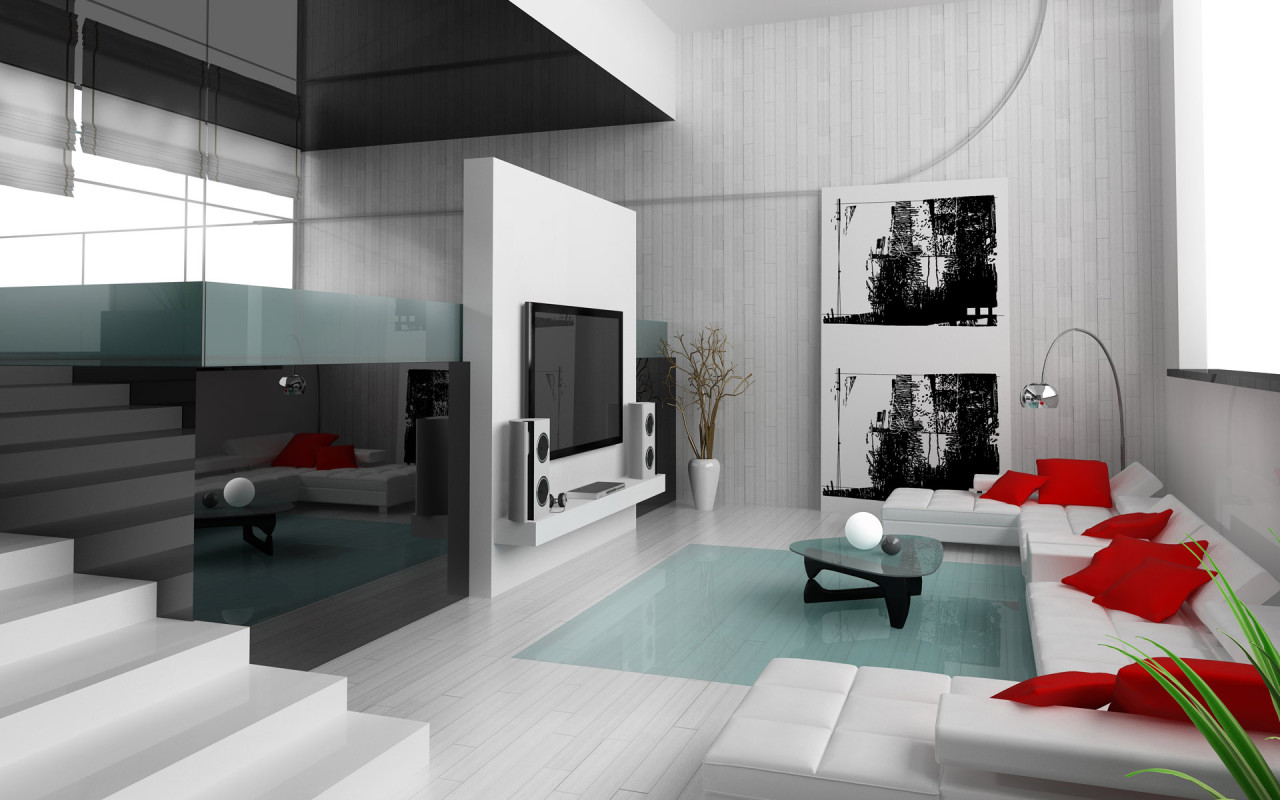
The interior design industry is in a constant state of evolution, driven by technological advancements, changing consumer preferences, and a growing awareness of environmental sustainability. These forces are reshaping how spaces are conceived, designed, and experienced. Designers must adapt and embrace these innovations to remain competitive and meet the evolving needs of their clients.
Sustainable Design Practices
Sustainability is no longer a trend but a fundamental principle guiding design choices. Designers are increasingly prioritizing environmentally friendly materials, energy-efficient systems, and practices that minimize waste.
- Use of Sustainable Materials: This includes reclaimed wood, bamboo, recycled plastics, and low-VOC (volatile organic compound) paints and finishes. These materials reduce the environmental impact of construction and improve indoor air quality. For instance, using reclaimed wood in flooring and furniture not only adds character but also reduces the demand for new timber.
- Energy-Efficient Technologies: Implementing smart home systems, LED lighting, and energy-efficient appliances contributes to reducing energy consumption and lowering utility bills. Smart thermostats and lighting control systems allow for optimized energy usage.
- Biophilic Design: Integrating natural elements, such as plants, natural light, and views of nature, into interior spaces. Biophilic design improves occupant well-being and connects people with the natural world. Consider a living wall or a well-lit space with large windows to incorporate nature.
Virtual Reality (VR) and Augmented Reality (AR) in Design
VR and AR technologies are revolutionizing the way designers present their concepts and how clients visualize their future spaces. These technologies offer immersive experiences that enhance communication and collaboration.
- VR for Design Visualization: VR allows clients to virtually walk through a proposed design before construction begins. They can experience the space from different angles, evaluate furniture placement, and make informed decisions. For example, a client can “walk” through their future kitchen and see how the sunlight hits the countertops at different times of the day.
- AR for On-Site Design: AR overlays digital designs onto the real world. Designers can use AR apps to visualize furniture placement in a client’s existing space, allowing for immediate feedback and adjustments. A designer could use an AR app to show a client how a new sofa would look in their living room.
- Improved Client Communication: VR and AR facilitate clearer communication between designers and clients, reducing misunderstandings and ensuring that the final product aligns with the client’s vision. This leads to increased client satisfaction and fewer revisions during the project.
Smart Home Integration
Smart home technology is becoming increasingly prevalent in interior design, offering convenience, efficiency, and enhanced living experiences.
- Automated Lighting and Climate Control: Smart lighting systems allow for customizable lighting schemes and energy savings. Smart thermostats learn user preferences and automatically adjust the temperature.
- Integrated Entertainment Systems: Seamless integration of audio and video systems, controlled through voice commands or mobile devices, enhances the entertainment experience. This can include hidden speakers, smart TVs, and integrated home theater systems.
- Enhanced Security Features: Smart security systems, including door locks, security cameras, and motion sensors, provide increased home security and peace of mind. These systems can be monitored and controlled remotely.
Traditional Design Methods vs. Modern Digital Tools
The interior design industry is witnessing a shift from traditional design methods to digital tools, each having its advantages and disadvantages.
| Traditional Design Methods | Digital Tools | Comparison |
|---|---|---|
| Hand-drawn sketches and blueprints: Provide a tangible representation of the design concept, facilitating direct interaction and intuitive understanding. | Computer-Aided Design (CAD) software: Enables precise 2D and 3D modeling, allowing for detailed visualizations, accurate measurements, and efficient design iterations. | CAD software offers greater precision and allows for rapid changes. However, hand-drawn sketches may be quicker for initial concept development. |
| Physical mood boards and material samples: Allow for tactile exploration of materials, textures, and colors, providing a sensory experience that aids in decision-making. | 3D rendering and virtual reality (VR): Create realistic visualizations of the design, allowing clients to experience the space before construction and make informed choices. | Mood boards offer a physical, tactile experience, while 3D rendering and VR provide a more immersive and interactive visualization. |
| Manual measurement and estimation: Requires time-consuming on-site measurements and manual calculations, which can be prone to errors. | Building Information Modeling (BIM) software: Facilitates collaborative design, allowing all stakeholders to access and modify a single, comprehensive model of the project. | BIM software streamlines the design process, reduces errors, and improves collaboration. However, traditional methods can be more accessible for smaller projects. |
Transforming the Design Process
These advancements are profoundly transforming the design process, client expectations, and the overall approach to creating interior spaces.
- Increased Client Involvement: VR and AR allow clients to be more involved in the design process, offering them a more interactive and immersive experience. This results in greater client satisfaction and reduces the likelihood of costly revisions.
- Faster Design Iterations: Digital tools like CAD and BIM enable designers to quickly make changes and explore different design options, leading to a more efficient design process.
- Enhanced Collaboration: Digital platforms facilitate seamless collaboration between designers, clients, contractors, and other stakeholders, ensuring everyone is on the same page.
Outcome Summary: Interior Designer
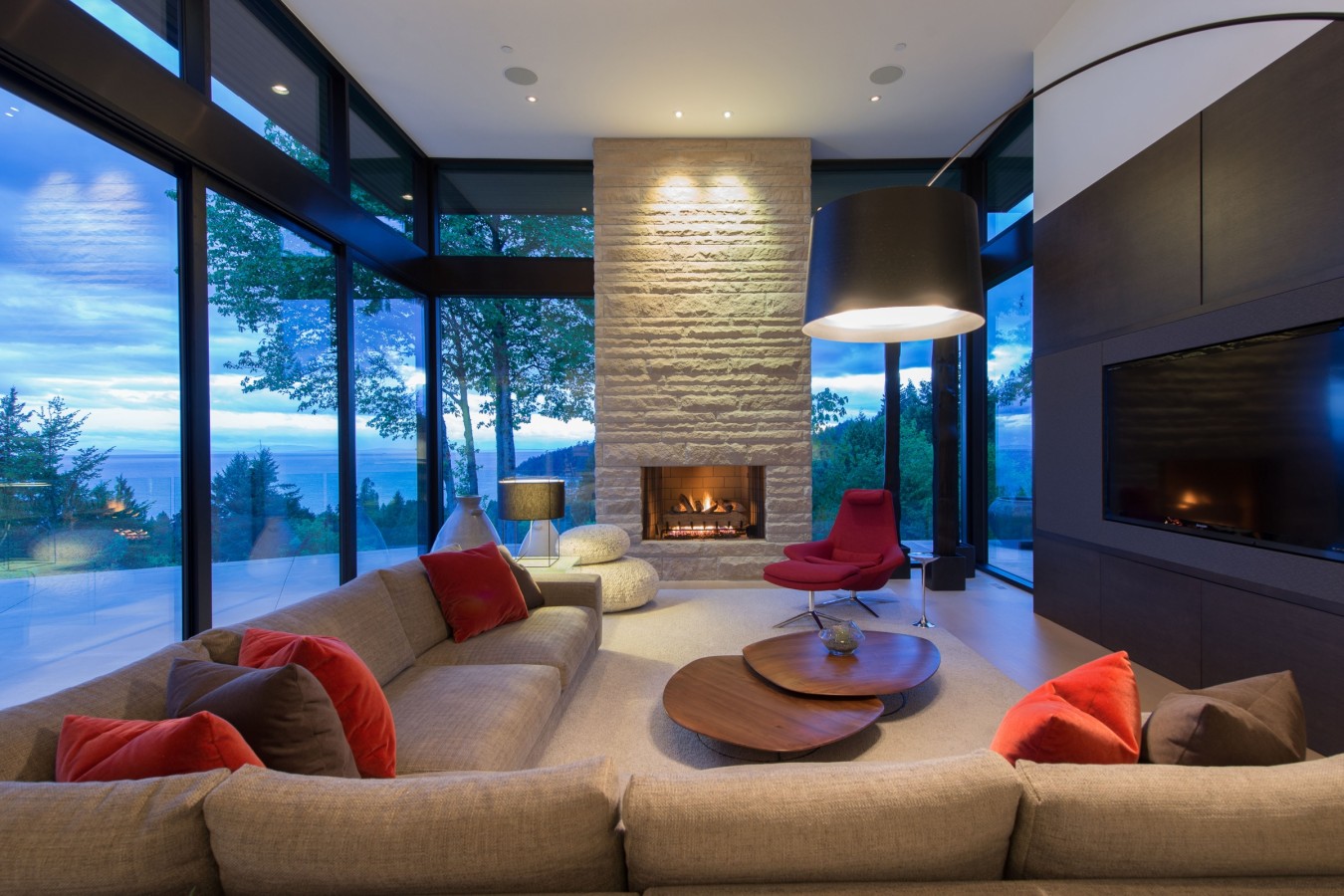
In conclusion, the role of an interior designer is continually evolving, driven by innovation, sustainability, and the ever-changing needs of clients. From managing complex projects to mastering cutting-edge technologies, interior designers are at the forefront of shaping the way we live, work, and interact with our surroundings. The future of interior design is bright, offering exciting opportunities for creativity, collaboration, and the creation of truly exceptional spaces.
Question Bank
What is the difference between an interior designer and an interior decorator?
Interior designers often have formal education and training in space planning, construction, and building codes. Interior decorators typically focus on the aesthetic aspects of a space, such as selecting furniture, fabrics, and accessories, without necessarily having the same level of technical expertise.
How do I find a good interior designer?
Look for designers with a strong portfolio that aligns with your style, check online reviews and testimonials, and schedule consultations to discuss your project and assess their communication skills and design approach. Ensure they are licensed and insured.
What is the typical cost of hiring an interior designer?
Fees vary based on the designer’s experience, the scope of the project, and the fee structure (hourly, fixed fee, or percentage of the project cost). It’s essential to discuss fees and payment terms upfront and get a detailed proposal.
How long does an interior design project take?
The timeline varies depending on the project’s complexity, size, and the availability of materials and contractors. A small renovation might take a few weeks, while a large-scale project can take several months or even years. The designer will provide a project timeline.