Interior designers play a pivotal role in shaping our environments, transforming spaces into functional, aesthetically pleasing, and personalized havens. From residential homes to commercial establishments, their expertise encompasses a wide array of skills, blending creativity with technical proficiency to bring design visions to life. This exploration will delve into the multifaceted world of interior design, examining the essential educational paths, client communication strategies, design principles, and the evolving landscape of trends and technologies.
We will uncover the educational requirements, career paths, and specialized areas within interior design. Furthermore, we will explore the critical aspects of client interaction, project management, and budget control. Through detailed analyses, practical examples, and forward-thinking concepts, this discussion aims to provide a comprehensive understanding of what it takes to excel in this dynamic field.
What are the essential educational requirements for becoming a successful interior designer and how do they impact career progression?
Interior design is a multifaceted profession that blends creativity, technical expertise, and business acumen. While natural talent plays a role, formal education and ongoing professional development are critical for establishing a strong foundation and fostering career advancement. Understanding the essential educational requirements is crucial for aspiring interior designers to navigate the path to success and build a thriving career.
Significance of Formal Education Versus Practical Experience
The interplay between formal education and practical experience shapes an interior designer’s capabilities and career trajectory. While practical experience provides invaluable hands-on skills, formal education offers a comprehensive understanding of design principles, building codes, and industry standards. This foundational knowledge is essential for tackling complex projects and making informed decisions.Formal education equips designers with a broad knowledge base, including design history, space planning, and materials science.
It also fosters critical thinking and problem-solving skills, which are crucial for addressing the diverse challenges encountered in the field. Practical experience, on the other hand, allows designers to apply theoretical knowledge in real-world settings, refine their skills, and develop a professional network. A successful interior designer leverages both avenues, continually seeking opportunities to learn and grow. Many successful designers start with a solid educational background, then seek internships or entry-level positions to gain practical experience.
Over time, they often pursue advanced certifications or specialized training to enhance their expertise and stay abreast of industry trends. The synergy between formal education and practical experience is the cornerstone of a fulfilling and successful career.
Typical Academic Paths for Aspiring Interior Designers
Aspiring interior designers have several educational paths to choose from, each offering a unique set of skills and knowledge. The most common route involves pursuing a degree in interior design or a related field.
- Bachelor’s Degree in Interior Design (BID): A BID program is often considered the gold standard, providing a comprehensive education in design principles, technical drawing, space planning, and building codes. These programs typically include studio courses where students work on design projects, as well as coursework in art history, architectural design, and construction methods. BID programs usually require four years of full-time study.
- Bachelor of Arts (BA) in Interior Design: A BA in Interior Design offers a broader approach, often with a greater emphasis on the humanities and liberal arts. While it still covers core design principles, it may include more electives in areas such as art history, psychology, or business. This degree typically requires four years of study.
- Associate’s Degree in Interior Design: An Associate’s degree provides a foundational understanding of interior design principles, often focusing on drafting, space planning, and computer-aided design (CAD). It can serve as a stepping stone to a bachelor’s degree or prepare graduates for entry-level positions in the field. This degree typically requires two years of full-time study.
- Certifications: Certifications, such as the Certified Interior Designer (CID) offered by various organizations, are often pursued after completing a degree and gaining professional experience. They demonstrate a designer’s competence and adherence to industry standards.
Role of Continuing Education and Professional Development
The interior design field is constantly evolving, with new technologies, materials, and design trends emerging regularly. Continuing education and professional development are crucial for designers to stay competitive, expand their skillset, and advance their careers.Designers can participate in various activities to enhance their knowledge and skills, including attending workshops, taking online courses, and pursuing certifications. Specific examples include:
- Specialized Courses: Courses focused on sustainable design, universal design, or specific software programs (e.g., Revit, SketchUp) can provide in-depth knowledge and enhance a designer’s expertise.
- Workshops: Hands-on workshops on topics like lighting design, color theory, or furniture design offer practical skills and insights.
- Industry Conferences: Attending industry conferences, such as the International Interior Design Association (IIDA) conferences, provides opportunities to learn about the latest trends, network with peers, and earn continuing education credits.
- Professional Certifications: Obtaining certifications, such as the LEED (Leadership in Energy and Environmental Design) accreditation, demonstrates a commitment to sustainable design practices and can enhance career prospects.
Core Skills Gained Through Various Educational Routes
The skills acquired through different educational routes vary, but all aim to equip designers with the necessary tools for success. The following table provides a comparison of the core skills typically gained through design schools and online courses.
| Educational Route | Core Skills: Design Principles | Core Skills: Technical Skills | Core Skills: Soft Skills & Business Acumen |
|---|---|---|---|
| Design Schools (Bachelor’s/Master’s) | Space planning, color theory, design history, furniture design, materials selection, lighting design, sustainable design principles. | CAD software proficiency (AutoCAD, Revit), 3D modeling, technical drawing, construction documentation, building codes. | Project management, communication (written and verbal), client relations, presentation skills, business practices, marketing. |
| Design Schools (Associate’s) | Basic design principles, space planning, color theory. | CAD software proficiency, drafting, basic construction documentation. | Communication, client interaction, basic project management. |
| Online Courses | Varies based on the course; can cover specific design principles, such as color theory, space planning, or furniture selection. | Varies based on the course; can cover CAD software proficiency, 3D modeling, or specific technical skills. | Project management, client communication, basic business skills (depending on the course). |
How do interior designers navigate the challenges of client communication and project management to ensure client satisfaction?
Interior design is a collaborative process, heavily reliant on effective communication and meticulous project management. Successfully navigating these aspects is crucial for client satisfaction, project success, and the long-term viability of an interior design practice. The following sections will delve into the common challenges faced, strategies employed, and tools utilized to ensure smooth project execution and happy clients.
Common Communication Pitfalls and Mitigation Strategies
Effective communication is the cornerstone of a successful interior design project. However, designers frequently encounter communication breakdowns that can lead to misunderstandings, delays, and client dissatisfaction. Addressing these pitfalls proactively is essential.Some common communication pitfalls include:* Vague or Unclear Communication: Designers might use industry jargon or technical terms that clients don’t understand, leading to confusion about design concepts, materials, and processes.
Lack of Regular Updates
Failing to provide clients with timely updates on project progress can create anxiety and a feeling of being out of the loop.
Poor Listening Skills
Not actively listening to client needs, preferences, and concerns can result in designs that don’t meet expectations and necessitate costly revisions.
Inadequate Documentation
Insufficiently documented agreements, changes, and decisions can lead to disputes and legal issues.
Ignoring or Delaying Responses
Not responding promptly to client inquiries or concerns can damage the client-designer relationship and erode trust.Strategies to mitigate these pitfalls include:* Using Plain Language: Avoiding technical jargon and explaining design concepts in clear, concise terms that clients can easily understand. Providing visual aids, such as mood boards, 3D renderings, and material samples, to enhance comprehension.
Establishing a Communication Schedule
Implementing a regular communication schedule, such as weekly or bi-weekly progress updates, to keep clients informed. This can be achieved through emails, phone calls, or project management software.
Practicing Active Listening
Paying close attention to client needs, asking clarifying questions, and summarizing their requests to ensure understanding.
Maintaining Detailed Documentation
Documenting all agreements, changes, and decisions in writing, including contracts, change orders, and meeting minutes. This provides a clear record of the project’s evolution and protects both the designer and the client.
Promptly Responding to Inquiries
Responding to client inquiries and concerns within a reasonable timeframe, typically within 24-48 hours. This demonstrates professionalism and a commitment to client satisfaction.
Establishing Clear Project Timelines, Budgets, and Expectations
Setting clear expectations from the outset is vital for a successful project. This involves establishing a detailed project timeline, a comprehensive budget, and a clear understanding of the scope of work.This can be achieved by:* Creating a Detailed Project Timeline: A comprehensive timeline should Artikel all project phases, from initial consultation to final installation, including estimated start and end dates for each task.
It should also include milestones and deadlines to track progress and identify potential delays. This timeline should be shared with the client and regularly updated to reflect any changes.
Developing a Comprehensive Budget
The budget should encompass all project costs, including design fees, material costs, labor costs, and any contingency funds. A detailed budget breakdown should be provided to the client, clearly outlining all expenses. Regular budget reviews should be conducted throughout the project to ensure that the project stays within budget.
Defining the Scope of Work
A clear and concise scope of work should be defined at the beginning of the project. This document should specify the services the designer will provide, the areas to be designed, and any limitations or exclusions. Any changes to the scope of work should be documented in writing and approved by the client.By implementing these measures, designers can set realistic expectations, manage client expectations, and minimize the risk of disputes or misunderstandings.
Tools and Software for Streamlining Project Management and Client Communication
Various tools and software can significantly streamline project management and client communication, improving efficiency and client satisfaction.Some commonly used tools include:* Project Management Software: Software like Asana, Trello, or Monday.com allows designers to create project timelines, assign tasks, track progress, manage budgets, and communicate with clients and team members. These platforms often feature collaborative tools and document sharing capabilities.
Client Communication Platforms
Platforms like Slack or Microsoft Teams facilitate instant messaging, file sharing, and video conferencing, allowing for quick and efficient communication with clients.
Design Software with Collaboration Features
Software such as SketchUp, Revit, or AutoCAD often includes features that allow designers to share 3D models and designs with clients for review and feedback. Some offer real-time collaboration tools.
CRM (Customer Relationship Management) Software
CRM systems, such as HubSpot or Salesforce, help designers manage client relationships, track communication, and organize project information.These tools improve organization, facilitate communication, and provide a central location for project information.
Typical Project Management Workflow
A well-defined project management workflow ensures a structured and efficient approach to interior design projects.A typical project management workflow includes the following steps:* Initial Consultation: The designer meets with the client to discuss their needs, preferences, budget, and project scope. This involves gathering information, assessing the space, and establishing initial rapport.
Conceptual Design
The designer develops initial design concepts, including mood boards, space plans, and preliminary sketches or 3D renderings. These concepts are presented to the client for feedback and approval.
Design Development
Based on client feedback, the designer refines the design, selecting materials, finishes, and furniture. Detailed drawings and specifications are created.
Construction Documents
The designer prepares detailed construction documents, including technical drawings, elevations, and specifications, for contractors and vendors.
Vendor Selection and Procurement
The designer sources and selects vendors and contractors, obtaining bids and managing the procurement of materials and furnishings.
Project Execution and Site Supervision
The designer oversees the construction process, coordinating with contractors, monitoring progress, and addressing any issues that arise.
Installation and Styling
The designer oversees the installation of furnishings, accessories, and artwork, ensuring that the final design is implemented according to the approved plans.
Project Completion and Handover
The designer conducts a final walkthrough with the client, addresses any remaining issues, and hands over the completed project.
What are the key design principles and elements that interior designers employ to create aesthetically pleasing and functional spaces?
Interior designers rely on a blend of design principles and elements to transform spaces into visually appealing and functional environments. These principles provide a framework for creating harmony and balance, while the elements are the building blocks used to achieve the desired aesthetic and practical outcomes. Understanding and skillfully applying these concepts is crucial for a successful interior design project.
Design Principles
Design principles guide the arrangement and organization of the elements within a space. They help create a cohesive and visually pleasing environment.* Balance: Balance refers to the visual equilibrium within a space. There are three main types: symmetrical, asymmetrical, and radial. Symmetrical balance involves mirroring elements on either side of a central axis, creating a formal and structured feel.
Asymmetrical balance achieves equilibrium through the arrangement of dissimilar elements that have equal visual weight, offering a more dynamic and informal aesthetic. Radial balance organizes elements around a central point. For example, in a living room, symmetrical balance could be achieved by placing matching sofas and armchairs on either side of a fireplace. Asymmetrical balance could be accomplished by pairing a large sofa with a collection of smaller chairs and a visually interesting coffee table.
Radial balance might be seen in a dining room where a circular table is the focal point, with chairs arranged around it.
Proportion
Proportion deals with the relative size and scale of elements within a space. It’s about the relationship between the parts of a design and the whole. Good proportion ensures that elements feel harmonious and appropriate for the space. Designers often use the Golden Ratio (approximately 1.618:1) to achieve pleasing proportions. Consider the height of a ceiling in relation to the size of furniture or the size of artwork on a wall relative to the wall’s dimensions.
In a small room, oversized furniture can make the space feel cramped, while furniture that is too small can make the room feel empty. The key is to find a scale that feels right for the room and the objects within it.
Rhythm
Rhythm creates a sense of movement and visual interest within a space. It’s achieved through the repetition of elements, patterns, or colors. There are different types of rhythm, including repetition, alternation, progression, and gradation. Repetition involves repeating a design element, such as a color or shape. Alternation involves alternating two or more elements.
Progression involves a gradual increase or decrease in an element, such as the size of objects. Gradation involves a gradual change in a characteristic, such as color value. For instance, a designer might use a series of framed photographs of increasing size along a hallway to create a sense of movement. Another example is the use of stripes, where the width of the stripes can be used to control the rhythm and flow of the design.
Emphasis
Emphasis, also known as focal point, is the point of interest that draws the eye into a space. Designers use various techniques to create emphasis, such as using contrasting colors, unique shapes, or strategically placed lighting. A fireplace in a living room, a statement piece of artwork, or a boldly colored accent wall can serve as focal points.
The rest of the design should then support the focal point, guiding the eye through the space and creating a sense of visual hierarchy.
Design Elements
Design elements are the fundamental building blocks of interior design. Designers manipulate these elements to create the desired aesthetic and functionality.* Color: Color is one of the most powerful design elements, capable of influencing mood and perception. Designers consider color theory, including the relationships between colors (complementary, analogous, etc.), and how colors affect the space. The choice of color can impact the overall feel of a room.
Warm colors like reds and oranges can make a space feel cozy, while cool colors like blues and greens can create a sense of calm. Color can also be used to define spaces. For example, a designer might use a neutral color palette throughout a home, with pops of vibrant color in specific rooms to add personality and visual interest.
Color can also be used to visually alter the size of a space; light colors tend to make a space feel larger, while dark colors can make it feel smaller.
Texture
Texture refers to the surface quality of materials, both visual and tactile. It adds depth, interest, and dimension to a space. Designers use texture to create contrast and visual interest. Smooth textures, like polished wood or glass, can create a sleek and modern feel, while rough textures, like exposed brick or woven fabrics, can create a more rustic and inviting atmosphere.
The combination of textures is crucial. For instance, a room with a smooth wall could be complemented by a textured rug or a plush sofa.
Line
Lines define the form and shape of objects and spaces. They can be horizontal, vertical, diagonal, or curved. Lines direct the eye and create a sense of movement. Horizontal lines create a sense of stability and calm, vertical lines create a sense of height and formality, diagonal lines create a sense of movement and energy, and curved lines create a sense of softness and flow.
A designer might use vertical lines, such as tall windows or a floor-to-ceiling bookshelf, to make a room feel taller.
Form
Form refers to the three-dimensional shape of objects within a space. It includes the shape, size, and volume of furniture, architectural features, and decorative elements. Form affects how a space feels and how it is perceived. Geometric forms, like squares and rectangles, create a sense of order and structure, while organic forms, like curved shapes, create a more relaxed and informal feel.
Designers carefully consider the form of each element in the space to create a cohesive and balanced design.
Case Study
A residential project involved the renovation of a small apartment. The design principle of
- proportion* was crucial. The client wanted to maximize space while creating a modern aesthetic. The designer selected furniture with appropriate scale; a compact sofa and a sleek coffee table were chosen, ensuring they didn’t overwhelm the living area. The
- rhythm* was established by repeating the color scheme (a neutral base with pops of blue) throughout the space, using the same accent color in throw pillows, artwork, and accessories. The
- emphasis* was placed on a large window offering natural light and a view, with a simple, uncluttered design to maximize the view. The designer implemented
- balance* by placing a large piece of art on one wall and balancing it with a bookcase on the opposite wall. The successful application of these principles resulted in a visually appealing, functional, and spacious apartment.
Common Design Mistakes and Preventative Measures
Designers proactively avoid common pitfalls to ensure successful projects.* Ignoring the Functionality of a Space: This is a frequent error. To prevent this, designers thoroughly assess the client’s needs and lifestyle, considering how the space will be used daily. They create detailed floor plans and layouts to ensure optimal functionality before making aesthetic choices.
Poor Lighting Design
Inadequate lighting can ruin an otherwise well-designed space. Designers prevent this by incorporating layered lighting schemes, including ambient, task, and accent lighting. They carefully consider natural light sources and the placement of light fixtures.
Lack of a Focal Point
Without a clear focal point, a space can feel disjointed. Designers establish focal points early in the design process, ensuring all other elements support and enhance it.
Overcrowding a Space
Too much furniture or accessories can make a space feel cramped and cluttered. Designers avoid this by carefully selecting furniture pieces based on the room’s dimensions and the client’s needs, and editing accessories to create a clean, uncluttered look.
Ignoring the Client’s Preferences
A design that doesn’t reflect the client’s personality and style is ultimately unsuccessful. Designers actively involve clients in the design process, gathering their input and preferences throughout.
How do interior designers stay current with the latest trends, materials, and technologies in the ever-evolving world of design?
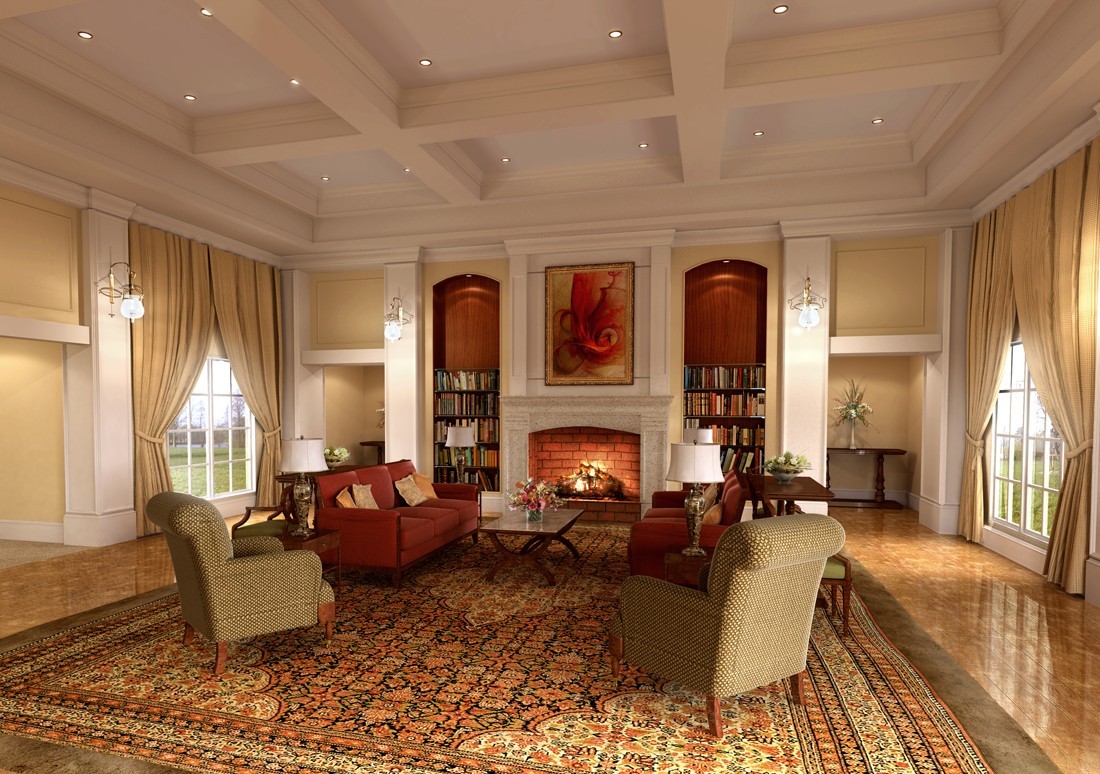
The interior design field is dynamic, with trends, materials, and technologies constantly evolving. To remain competitive and provide clients with innovative and relevant designs, interior designers must actively engage in continuous learning and adaptation. This involves a multifaceted approach encompassing research, networking, and practical application. Staying current is not merely about following fleeting fads; it’s about understanding the underlying principles that drive design and how new innovations can enhance functionality, sustainability, and aesthetics.
Methods for Research and Incorporation of Current Trends, New Materials, and Technological Advancements, Interior designers
Interior designers employ a variety of methods to stay abreast of industry changes. These strategies ensure they remain informed and capable of incorporating the latest advancements into their projects.
- Trend Forecasting and Research: Designers regularly consult trend forecasting services, such as WGSN or TrendBible, which analyze consumer behavior, cultural shifts, and emerging technologies to predict future design trends. They also attend industry trade shows like the Salone del Mobile in Milan or High Point Market in North Carolina, which showcase new products, materials, and design concepts. These events provide invaluable opportunities for networking and firsthand exposure to the latest innovations.Designers also actively follow design blogs, magazines (e.g., Architectural Digest, Elle Decor), and social media platforms (Instagram, Pinterest) to identify emerging styles, color palettes, and material applications.
- Material Exploration and Sourcing: Staying informed about new materials is crucial. Designers research material properties, performance characteristics, and sustainability aspects. This involves attending material fairs, visiting manufacturers’ showrooms, and building relationships with suppliers. They explore innovative materials like bio-based composites, recycled plastics, and advanced textiles. Designers also investigate the environmental impact of materials, focusing on sourcing options with lower carbon footprints and promoting circular economy principles.
- Technological Integration: Technology plays a significant role in modern interior design. Designers learn and implement technologies such as:
- Building Information Modeling (BIM): BIM software (e.g., Revit, ArchiCAD) allows designers to create detailed 3D models of spaces, facilitating accurate planning, cost estimation, and collaboration with other professionals (architects, engineers).
- Virtual Reality (VR) and Augmented Reality (AR): VR and AR technologies enable clients to experience a design virtually before construction, providing immersive walkthroughs and allowing for design modifications.
- Smart Home Technology: Designers integrate smart home systems (e.g., lighting control, automated shades, climate control) to enhance functionality, convenience, and energy efficiency.
- 3D Printing: 3D printing is used to create custom furniture, decorative elements, and prototypes, offering design flexibility and customization.
- Continuous Learning and Professional Development: Designers engage in continuous learning through workshops, online courses, and professional certifications (e.g., LEED certification for sustainable design). They also participate in design competitions and seek mentorship from experienced professionals.
Impact of Sustainable Design Practices
Sustainable design practices are fundamentally reshaping the interior design industry, reflecting a growing awareness of environmental responsibility. The focus has shifted from mere aesthetics to a holistic approach that considers the entire lifecycle of a design project.
- Environmental Benefits: Sustainable design minimizes environmental impact by:
- Reducing energy consumption through efficient lighting, appliances, and HVAC systems.
- Conserving water through low-flow fixtures and water-efficient landscaping.
- Using sustainable materials with low embodied energy and reduced environmental footprints.
- Minimizing waste through design for disassembly and material reuse.
- Material Selection: The choice of materials is critical. Designers prioritize:
- Renewable Resources: Bamboo, cork, and reclaimed wood.
- Recycled Materials: Recycled glass, plastics, and metals.
- Low-VOC (Volatile Organic Compounds) Materials: Paints, adhesives, and finishes that minimize indoor air pollution.
- Design Strategies: Sustainable design incorporates:
- Passive Design: Maximizing natural light and ventilation to reduce energy consumption.
- Daylighting: Utilizing natural light to reduce the need for artificial lighting.
- Water Conservation: Employing water-efficient fixtures and landscaping.
- Waste Reduction: Designing for durability, reuse, and recycling.
- Industry Standards and Certifications: LEED (Leadership in Energy and Environmental Design) and other green building certifications provide frameworks for sustainable design. Designers are increasingly seeking LEED accreditation to demonstrate their commitment to environmental responsibility.
Comparison of Traditional versus Contemporary Design Materials
The choice of materials significantly impacts the aesthetic, functionality, and sustainability of a design. Understanding the benefits and drawbacks of traditional and contemporary materials is essential for making informed design decisions.
| Material | Traditional Materials | Contemporary Materials |
|---|---|---|
| Wood | Benefits: Warmth, natural beauty, durability, versatility. Drawbacks: Susceptible to moisture, pests, and requires regular maintenance; often sourced from unsustainable forests. |
Benefits: Engineered wood (e.g., plywood, MDF) offers stability, affordability, and can be sustainably sourced. Drawbacks: May contain VOCs; less natural aesthetic than solid wood. |
| Stone | Benefits: Durability, natural beauty, timeless appeal. Drawbacks: Heavy, expensive, can be difficult to install, requires sealing and maintenance. |
Benefits: Engineered stone (e.g., quartz) offers durability, stain resistance, and a wide range of colors and patterns. Drawbacks: Can lack the natural variation of real stone; some manufacturing processes have environmental concerns. |
| Textiles | Benefits: Natural fibers (e.g., cotton, linen, wool) offer comfort and aesthetic appeal. Drawbacks: Can be less durable, prone to staining, and may require special cleaning. |
Benefits: Synthetic fabrics (e.g., microfiber, performance fabrics) offer durability, stain resistance, and easy maintenance. Drawbacks: Can lack the natural feel of natural fibers; some synthetic fabrics have environmental concerns. |
| Metals | Benefits: Strength, durability, classic aesthetic. Drawbacks: Can be expensive, may require polishing to maintain appearance. |
Benefits: Innovative metals (e.g., brushed stainless steel, copper alloys) offer unique aesthetics and can be used in sustainable applications. Drawbacks: Fabrication can be complex and expensive. |
Futuristic Interior Design Concept: The “Symbiotic Dwelling”
The “Symbiotic Dwelling” is a futuristic interior design concept that emphasizes the integration of technology, sustainability, and human well-being. This concept envisions a living space that seamlessly interacts with its occupants and the environment.
- Technology Integration:
- Smart Surfaces: Walls and surfaces are embedded with interactive technology. Walls could change color, display information, or serve as projection screens. For example, a kitchen countertop might display recipes or control the temperature of induction cooktops.
- Adaptive Lighting: Lighting systems would automatically adjust color temperature and intensity based on the time of day, weather conditions, and the occupant’s mood, promoting circadian rhythm health.
- Voice-Activated Control: Every aspect of the home, from climate control to entertainment systems, would be controlled via voice commands, creating a seamless and intuitive user experience.
- Holographic Displays: Holographic projections could provide information, entertainment, or act as virtual assistants. A holographic personal assistant could manage schedules, provide information, and even interact with the user through advanced AI.
- Innovative Materials:
- Bio-Based Composites: Furniture and structural elements would be made from bio-based composites, such as mycelium (mushroom) materials or algae-based plastics, offering sustainability and unique aesthetic qualities.
- Self-Healing Materials: Walls and surfaces could be made from self-healing materials, reducing maintenance and extending the lifespan of the interior.
- Aerogel Insulation: Aerogel, an ultra-lightweight and highly insulating material, would be used in walls and ceilings to maximize energy efficiency and create a comfortable indoor environment.
- Transparent Solar Panels: Windows and skylights would incorporate transparent solar panels to generate electricity, reducing the home’s reliance on external power sources.
- Sustainability and Well-being:
- Vertical Gardens and Green Walls: Integrated vertical gardens and green walls would purify the air, enhance aesthetics, and provide fresh produce.
- Closed-Loop Systems: Water recycling systems and waste management systems would minimize environmental impact and promote resource efficiency.
- Biophilic Design: The design would incorporate natural light, ventilation, and views of nature to enhance the occupants’ well-being and connection with the environment.
- Personalized Wellness Features: The home would incorporate features designed to promote physical and mental well-being, such as air purification systems, aromatherapy diffusers, and integrated fitness areas. For example, a built-in meditation space with adjustable lighting and soundscapes could help occupants manage stress and improve mental clarity.
What are the different specializations within interior design and what career paths are available for aspiring professionals?
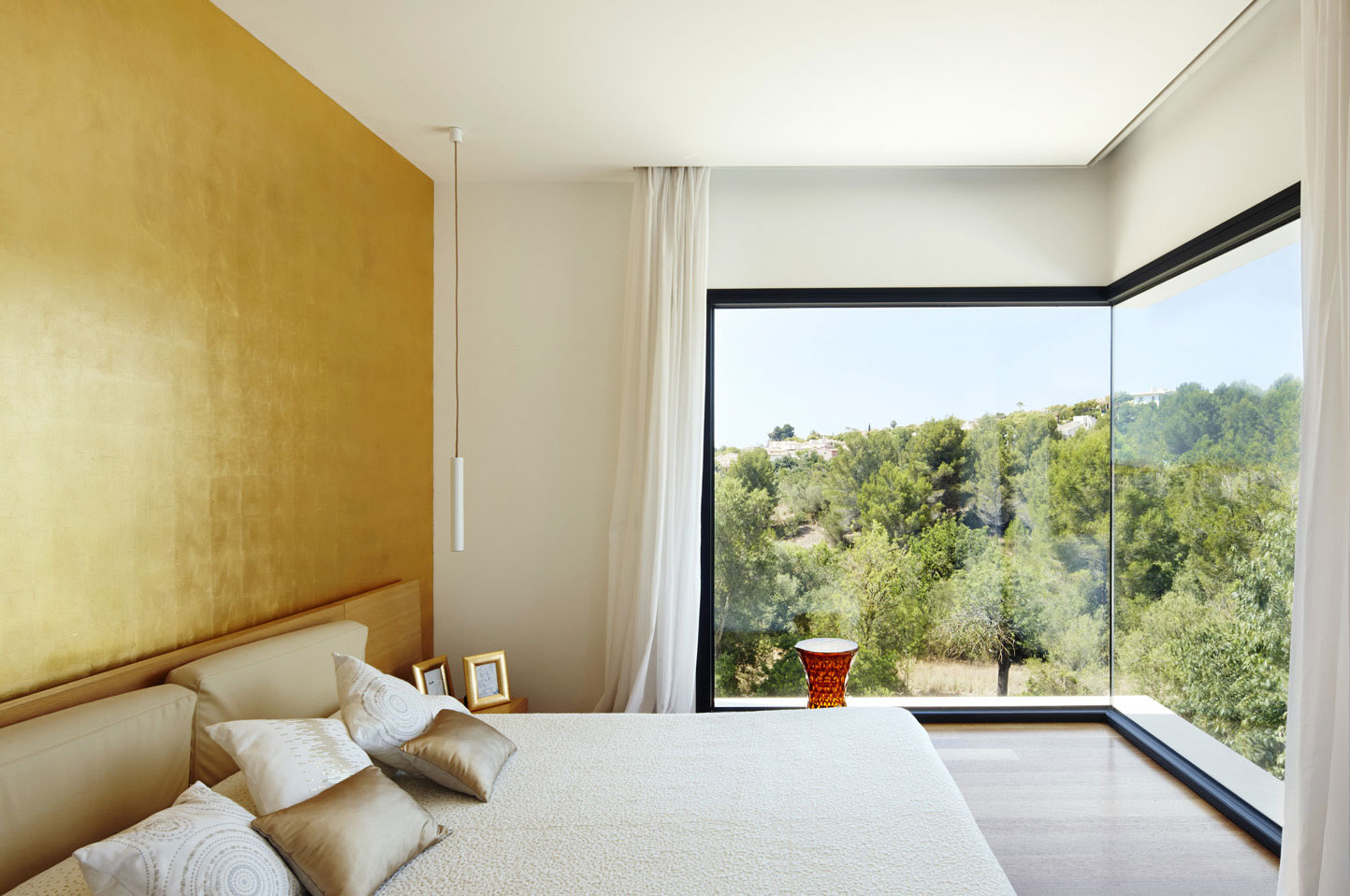
Interior design offers a rich tapestry of specializations, allowing professionals to focus their expertise and passion on specific areas. This diversity provides a wide array of career paths, each with unique challenges and rewards. Understanding these specializations and career options is crucial for aspiring designers seeking to build fulfilling and successful careers. The ability to transition between these specializations, leveraging acquired skills and experiences, further enhances career prospects.
Specializations within Interior Design
Interior design specializations cater to diverse needs and project types, each demanding a specific skill set and design approach. These specializations are not mutually exclusive, and designers often gain experience across multiple areas.* Residential Design: Focuses on creating functional and aesthetically pleasing living spaces for private homes, apartments, and condominiums. Designers work closely with homeowners to understand their lifestyle, preferences, and budget.
This involves space planning, material selection, furniture procurement, and overseeing the installation process. Residential design projects can range from small-scale renovations to complete home builds.* Commercial Design: Encompasses the design of commercial spaces such as offices, retail stores, restaurants, and hotels. The primary goal is to create environments that are both functional and enhance the business’s brand identity.
Commercial designers must consider factors like accessibility, building codes, and the specific needs of the business and its clientele. This specialization often involves collaborating with architects, contractors, and other professionals.* Hospitality Design: This specialization focuses on creating inviting and functional spaces within hotels, resorts, restaurants, and other hospitality establishments. Designers must consider the guest experience, brand identity, and operational efficiency.
They are involved in everything from the layout of guest rooms and public areas to the selection of furniture, fixtures, and equipment (FF&E).* Healthcare Design: Healthcare design is a specialized area that focuses on creating healing environments within hospitals, clinics, and other healthcare facilities. Designers must understand the specific needs of patients, medical staff, and healthcare operations. This involves considering factors like infection control, accessibility, and the use of evidence-based design principles to promote patient well-being and recovery.* Institutional Design: This area focuses on the design of public spaces such as schools, libraries, and government buildings.
Designers must adhere to specific building codes, accessibility standards, and budgetary constraints. They work closely with stakeholders to create environments that are functional, safe, and conducive to their intended purpose.* Sustainable Design (Green Design): This specialization emphasizes environmentally responsible design practices. Designers focus on using sustainable materials, energy-efficient systems, and environmentally friendly construction methods. The goal is to minimize the environmental impact of the design and create healthy indoor environments.
Career Paths in Interior Design
A variety of career paths are available within the field of interior design, each offering different responsibilities and opportunities for growth.* Design Consultant: Design consultants provide expert advice to clients on various aspects of interior design projects. They may specialize in specific areas, such as space planning, material selection, or furniture procurement. Their responsibilities include assessing client needs, developing design concepts, and managing project budgets.* Project Manager: Project managers oversee the planning, execution, and completion of interior design projects.
They are responsible for coordinating all aspects of the project, including budgeting, scheduling, and communication with clients and contractors. They ensure that projects are completed on time, within budget, and to the client’s satisfaction.* Interior Designer (in a firm): Interior designers work for design firms, assisting with a variety of projects. Their roles and responsibilities vary depending on the firm’s size and specialization.
They may be involved in all phases of the design process, from initial concept development to final installation.* Independent Designer/Freelancer: Independent designers work independently, offering their services directly to clients. They are responsible for managing their own businesses, including marketing, client acquisition, and project management. This path offers flexibility and autonomy but requires strong business acumen.* CAD Technician/Draftsperson: CAD technicians create detailed technical drawings and 3D models of interior spaces using computer-aided design (CAD) software.
They work closely with designers to translate their concepts into precise technical plans.* Furniture Designer: Furniture designers specialize in the design and creation of furniture pieces. They may work for furniture manufacturers or design their own lines of furniture. Their responsibilities include researching trends, developing designs, and overseeing the manufacturing process.* Kitchen and Bath Designer: This specialization focuses on the design of kitchens and bathrooms.
Designers must have a strong understanding of space planning, plumbing, electrical systems, and building codes. They work closely with clients to create functional and aesthetically pleasing spaces.
Transitioning Between Specializations
Transitioning from one specialization to another requires acquiring new skills and experience. Designers can leverage their existing knowledge and network while gaining expertise in a new area.* Education and Training: Consider taking courses, workshops, or pursuing certifications in the desired specialization. For example, a residential designer interested in healthcare design might take courses on healthcare building codes and evidence-based design principles.* Networking: Build connections with professionals in the new specialization.
Attend industry events, join professional organizations, and connect with potential mentors.* Portfolio Development: Create a portfolio showcasing projects that demonstrate your skills and experience in the new area. This might involve working on pro bono projects or taking on smaller projects to gain experience.* Gaining Experience: Seek out opportunities to work on projects in the desired specialization.
This could involve volunteering, interning, or taking on freelance projects.
Pros and Cons of Specializing
Specializing in a specific area of interior design offers both advantages and disadvantages.
- Pros:
- Increased expertise and knowledge in a specific area.
- Potential for higher earning potential due to specialized skills.
- Stronger professional network within the specialization.
- Easier marketing and client acquisition within a niche market.
- Cons:
- Limited project variety and potential for boredom.
- Dependence on the demand for the specialized area.
- Requires continuous learning to stay current with industry trends.
- Potential for reduced flexibility in project selection.
How do interior designers effectively manage budgets and source materials to deliver projects within financial constraints?
Effective budget management and strategic material sourcing are crucial for interior designers to deliver successful projects that meet client expectations while staying within financial limitations. This involves meticulous planning, careful cost estimation, proactive expense tracking, and strong negotiation skills. By mastering these aspects, designers can ensure project profitability and maintain client satisfaction. This section delves into the processes of budget creation, expense control, and material procurement, offering practical insights and real-world examples.
Budget Creation and Management
Creating and managing a project budget is a multi-step process that requires precision and foresight. The process begins with understanding the client’s financial constraints and project scope.First, it is essential to prepare a detailed estimate. This process involves several steps:
- Initial Consultation and Scope Definition: This phase involves understanding the client’s needs, design preferences, and the overall scope of the project. It also includes conducting site visits to assess existing conditions and take measurements.
- Preliminary Cost Estimation: Based on the initial scope, the designer develops a preliminary cost estimate. This estimate should include all potential expenses, such as labor, materials, and any other associated costs.
- Detailed Budget Breakdown: Once the scope is finalized, a detailed budget breakdown is created. This should itemize every expense, including materials, labor, permits, and contingencies. A contingency fund, typically 5-10% of the total budget, is crucial to cover unexpected costs.
- Client Approval and Budget Revision: The detailed budget is presented to the client for approval. Any necessary revisions are made based on client feedback and budgetary limitations.
- Ongoing Tracking and Monitoring: Throughout the project, the budget is continuously tracked and monitored. This involves regular reviews of expenses against the budget, identifying potential overruns early, and implementing corrective actions.
“A well-defined budget is the foundation of a successful interior design project. It guides decision-making and ensures financial control throughout the process.”
Regularly comparing actual expenses with the budgeted amounts allows for proactive identification of potential issues. Tracking expenses can be done through accounting software or spreadsheets, documenting every invoice and payment. It is important to implement a change order process for any modifications to the original scope, ensuring that the client approves any additional costs.
Material Sourcing Methods
Sourcing materials is a critical component of project management, requiring a balance of aesthetic appeal, quality, and cost-effectiveness. Designers employ various methods to find the right materials and products for their projects.Here are the key aspects of sourcing materials:
- Research and Selection: The designer researches a wide range of materials, considering factors such as aesthetics, durability, sustainability, and budget. This may involve visiting showrooms, attending trade shows, and reviewing catalogs.
- Supplier Relationships: Establishing strong relationships with suppliers is crucial. Designers often negotiate pricing, delivery schedules, and return policies. Building a network of reliable suppliers ensures access to high-quality materials and competitive pricing.
- Negotiation: Negotiating prices with suppliers is a key skill. Designers may leverage their relationships, volume of purchases, and market knowledge to secure favorable terms.
- Understanding Lead Times: It’s essential to understand the lead times for various materials and products. This information is critical for creating realistic project timelines and avoiding delays.
- Samples and Mockups: Before making final decisions, designers typically request samples of materials and create mockups to assess their suitability in the space.
Handling Unexpected Costs
Unexpected costs and budget overruns are common in interior design projects. Designers must be prepared to address these situations effectively.Here are a few examples of how unexpected costs can be handled:
- Contingency Funds: Utilizing the contingency fund to cover unexpected expenses, such as unforeseen structural issues or material price increases.
- Value Engineering: Reviewing the project scope and identifying areas where costs can be reduced without compromising the design intent. This may involve substituting materials, simplifying design elements, or re-evaluating labor costs.
- Change Orders: Preparing and presenting change orders to the client when additional costs are necessary due to unforeseen circumstances or changes in the project scope.
- Client Communication: Maintaining transparent communication with the client throughout the project, keeping them informed of any potential cost overruns and proposed solutions.
For instance, consider a project where a designer underestimated the cost of custom cabinetry. They could utilize the contingency fund to cover a portion of the increased expense, negotiate with the cabinet maker for a more favorable price, or propose a less expensive alternative material for the cabinet doors while maintaining the overall design aesthetic.
Material Selection Process
The material selection process involves a systematic approach to research, comparison, and procurement. The following table Artikels the key steps involved:
| Step | Description | Activities | Output |
|---|---|---|---|
| Research | Identifying potential materials and products that align with the design concept and client’s preferences. | Reviewing catalogs, visiting showrooms, browsing online resources, attending trade shows, and researching material properties. | A list of potential materials and products, along with their specifications and potential suppliers. |
| Comparison | Evaluating the pros and cons of each material, considering factors such as cost, durability, aesthetics, sustainability, and lead times. | Comparing samples, obtaining quotes from suppliers, analyzing material data sheets, and assessing the material’s suitability for the project. | A short-list of preferred materials and products, with detailed information on their cost, availability, and performance characteristics. |
| Selection | Making final material selections based on the project requirements and client approval. | Presenting material samples to the client, discussing the benefits of each option, and obtaining final approval. | A final material palette, including specific products, quantities, and supplier information. |
| Procurement | Ordering the selected materials and products, managing delivery schedules, and coordinating with suppliers. | Placing orders, confirming lead times, tracking shipments, inspecting materials upon arrival, and resolving any issues with suppliers. | Materials and products delivered to the project site on schedule and in good condition. |
Epilogue
In conclusion, the world of interior design is a dynamic field that demands a blend of creativity, technical skill, and effective communication. From understanding educational pathways and mastering design principles to navigating client relationships and staying abreast of the latest trends, interior designers are constantly evolving. By embracing these challenges and continually seeking professional development, designers can create inspiring and functional spaces.
Their impact extends beyond aesthetics, influencing how we live, work, and interact with our surroundings, making their role both vital and endlessly fascinating.
Q&A
What is the difference between an interior designer and an interior decorator?
Interior designers often have formal education and can work on structural and spatial planning, while interior decorators focus more on the aesthetic elements, such as furniture, fabrics, and accessories.
How long does it take to become a qualified interior designer?
This varies, but typically, a bachelor’s degree in interior design takes four years, followed by potential internships and exams for professional certification.
What software do interior designers use?
Common software includes AutoCAD, Revit, SketchUp, and specialized design and rendering programs to create detailed plans and visualize projects.
How do I find an interior designer?
You can find interior designers through online directories, professional organizations (like ASID or IIDA), referrals from friends, or by visiting local design studios.
What questions should I ask an interior designer before hiring them?
Ask about their experience, design style, project management process, fees, and references from previous clients to ensure a good fit.