Interior of design is a captivating field that shapes the spaces we inhabit, transforming them into functional and aesthetically pleasing environments. It’s a blend of art and science, requiring a deep understanding of spatial planning, color theory, and the impact of light and materials. This guide explores the core principles that guide interior design, from balancing aesthetics to embracing sustainability, offering insights to elevate any space.
The journey through interior design begins with understanding the fundamental principles that govern visual harmony. This includes the rule of thirds, symmetry, and asymmetry, all of which influence how we perceive and interact with a room. We’ll then delve into the practical application of these concepts, examining how lighting, materials, and textures contribute to the overall mood and functionality of a space.
Furthermore, the importance of incorporating sustainable practices and ergonomics will be highlighted, ensuring designs are both beautiful and beneficial to the environment and the people who use them.
Exploring the core principles of aesthetic balance is crucial for effective interior design practices.

Achieving aesthetic balance is fundamental to successful interior design. It involves creating a sense of visual harmony and equilibrium within a space, ensuring that all elements – from furniture and decor to color palettes and lighting – work together cohesively. This harmony is not merely about aesthetics; it significantly impacts the functionality, mood, and overall user experience of a room.
Understanding and applying principles like the rule of thirds, symmetry, asymmetry, and color theory are essential tools for designers seeking to create balanced and visually appealing interiors.
The Rule of Thirds and Its Application in Visual Composition
The rule of thirds is a foundational principle of visual composition used across various design disciplines, including interior design. It suggests that an image or space is most visually appealing when its elements are arranged along imaginary lines that divide the space into thirds, both horizontally and vertically. The points where these lines intersect are considered “power points” and are ideal locations for focal points or key elements.
This approach guides the placement of objects, creating a dynamic and engaging composition.Applying the rule of thirds in interior design involves strategically positioning furniture, artwork, and decorative elements to achieve visual balance and create a focal point. Consider the following applications:
- Furniture Placement: In a living room, a sofa could be placed along one of the vertical third lines, with a coffee table positioned at the intersection of the horizontal and vertical lines. This arrangement naturally draws the eye and creates a balanced composition.
- Artwork and Wall Decor: When hanging artwork, the rule of thirds suggests placing the focal point of the artwork at one of the intersection points. For example, a large painting could be hung so that the most important element is positioned near a power point.
- Accent Walls: An accent wall, often painted in a contrasting color, can be divided into thirds to position decorative elements. For instance, a mirror or a piece of furniture can be placed along these lines to create visual interest.
- Window Treatments: Curtains or blinds can be positioned to align with the vertical thirds, framing the view and balancing the overall composition.
- Lighting Fixtures: When arranging pendant lights above a dining table or kitchen island, the rule of thirds can guide the placement, ensuring visual harmony and preventing the space from feeling cluttered or unbalanced.
The Significance of Symmetry and Asymmetry in Interior Design
Symmetry and asymmetry are two fundamental approaches to achieving balance in interior design, each with distinct impacts on the perceived mood and functionality of a room. Symmetry involves creating a mirror-image arrangement, while asymmetry uses a balance of different elements to achieve equilibrium. The choice between symmetry and asymmetry depends on the desired atmosphere and the specific needs of the space.The following table compares symmetry and asymmetry:
| Feature | Symmetry | Asymmetry | Impact |
|---|---|---|---|
| Definition | Mirror-image arrangement around a central axis. | Balance achieved through the arrangement of dissimilar elements. | Creating visual interest and dynamic space. |
| Mood | Creates a sense of order, formality, and tranquility. | Offers a more relaxed, informal, and dynamic atmosphere. | Adding depth and complexity. |
| Functionality | Often used in spaces like formal dining rooms and bedrooms where order is prioritized. | Suitable for living rooms, kitchens, and other spaces where a more casual and flexible layout is desired. | Allowing a more natural and fluid movement. |
| Examples | Matching sofas flanking a fireplace; identical lamps on either side of a bed; a symmetrical arrangement of chairs around a table. | A sofa balanced by an armchair and a side table of different sizes; a gallery wall with an assortment of artwork; plants of different heights and shapes. | Encouraging exploration and discovery within the room. |
A Comprehensive Guide on the Use of Color Theory, Interior of design
Color theory is a crucial aspect of interior design, providing a framework for understanding how colors interact and how they can be used to influence the ambiance and user experience of a space. Understanding color relationships, such as complementary, analogous, and triadic schemes, allows designers to create visually appealing and emotionally resonant environments.Understanding color relationships can significantly influence the ambiance of an interior space.
- Complementary Colors: Complementary colors are those that sit opposite each other on the color wheel, such as blue and orange, or red and green. Using complementary colors creates a high-contrast, vibrant effect. For instance, a room with a blue sofa might feature orange throw pillows or artwork to create a visually dynamic space.
- Analogous Colors: Analogous colors are those that sit next to each other on the color wheel, such as blue, blue-green, and green. Analogous color schemes are harmonious and create a sense of cohesion. A bedroom might use a palette of blues and greens to promote a relaxing atmosphere.
- Triadic Colors: Triadic color schemes use three colors that are evenly spaced on the color wheel, such as red, yellow, and blue. Triadic schemes are balanced and visually stimulating. For example, a playroom might use a triadic scheme to create a playful and energetic environment.
- Monochromatic Colors: Monochromatic color schemes use different shades, tints, and tones of a single color. These schemes are elegant and create a sense of unity. A living room might use varying shades of gray to create a sophisticated and serene atmosphere.
Understanding the impact of natural and artificial lighting is essential for any interior designer’s repertoire.
Interior designers must master the art of lighting to create spaces that are not only visually appealing but also functional and conducive to well-being. Lighting profoundly impacts how we perceive a space, influencing mood, functionality, and even our physical health. A well-lit room can feel spacious and inviting, while poor lighting can make a space feel cramped and unwelcoming. This understanding necessitates a deep dive into both natural and artificial light sources and their strategic application.
Maximizing Natural Light
Harnessing natural light is a cornerstone of effective interior design. It not only reduces energy consumption but also enhances the aesthetic appeal and promotes a sense of well-being. Several techniques can be employed to maximize the influx of sunlight, creating brighter and more inviting interiors.
- Strategic Window Placement: Positioning windows strategically is crucial. Consider the sun’s path throughout the day and the building’s orientation to capture the most sunlight. For instance, windows facing south in the Northern Hemisphere typically receive the most sunlight throughout the year.
- Reflective Surfaces: Utilizing reflective surfaces such as mirrors, light-colored walls, and glossy finishes can bounce natural light around the room, effectively expanding the perception of space. A large mirror placed opposite a window can double the amount of light entering a room.
- Use of Sheer Curtains: Sheer curtains diffuse sunlight, softening harsh glare while still allowing natural light to filter through. This creates a gentle, ambient glow that enhances the room’s atmosphere. They offer privacy while maintaining a connection to the outdoors.
- Skylights and Sun Tunnels: Skylights and sun tunnels are effective for bringing natural light into areas where windows are not feasible, such as hallways or interior rooms. These features can significantly brighten spaces that would otherwise be dark and uninviting.
Integrating Artificial Lighting: A Layered Approach
Artificial lighting is essential for supplementing natural light and providing illumination during the evening or in areas with limited sunlight. Creating a layered lighting scheme is key to achieving both functionality and aesthetic appeal. This approach involves combining different types of lighting to serve various purposes.
Here’s a scenario illustrating a layered lighting scheme for a living room:
| Light Type | Purpose | Fixture Examples | Placement |
|---|---|---|---|
| Ambient Lighting | Provides general illumination, setting the overall tone. | Ceiling fixtures (e.g., recessed lights, chandeliers), wall sconces. | Evenly distributed throughout the room, often on the ceiling or walls. |
| Task Lighting | Illuminates specific areas for activities like reading or working. | Floor lamps, table lamps, desk lamps, pendant lights over a kitchen island. | Strategically placed near task areas, such as a reading chair or a desk. |
| Accent Lighting | Highlights specific features or objects, adding visual interest. | Track lighting, spotlights, picture lights, recessed lights directed at artwork. | Directed towards artwork, architectural details, or decorative objects. |
| Decorative Lighting | Enhances the aesthetic appeal of the space. | Chandeliers, pendant lights, decorative table lamps, string lights. | Used to create focal points and add visual interest, often in conjunction with other light types. |
The Influence of Lighting Temperature on Mood
The color temperature of light, measured in Kelvin (K), significantly influences the mood and atmosphere of a room. Understanding this relationship allows designers to strategically employ warm or cool light to achieve the desired ambiance.
Consider these examples:
- Warm Light (2700K-3000K): Warm light, with a yellowish hue, creates a cozy and inviting atmosphere. It is ideal for living rooms, bedrooms, and dining areas, where relaxation and comfort are prioritized. For instance, imagine a bedroom illuminated by a bedside lamp with a warm white bulb. The soft glow creates a sense of tranquility and encourages relaxation.
- Cool Light (3500K-4000K): Cool light, with a bluish hue, is more energizing and stimulating. It is well-suited for kitchens, bathrooms, and home offices, where focused activity is needed. A kitchen illuminated with cool white recessed lights provides bright, clear illumination for food preparation and other tasks.
- Neutral Light (3000K-3500K): This is a balanced choice, suitable for various spaces. It provides a good balance between warmth and brightness, making it a versatile option for areas like hallways and general living spaces.
The selection and integration of materials and textures greatly influence the overall design.: Interior Of Design
The materials and textures employed in interior design are fundamental to shaping the character and functionality of a space. The careful selection and integration of these elements significantly impact the aesthetic appeal, sensory experience, and overall practicality of a designed environment. Understanding how to choose and combine these elements is crucial for creating cohesive and compelling interiors.
Choosing Materials for Flooring, Wall Coverings, and Furniture
The selection of materials for flooring, wall coverings, and furniture is a critical process in interior design, influencing both the visual and functional aspects of a space. Careful consideration of durability, sustainability, and aesthetic appeal is essential for creating a successful design.The following points detail the process of choosing appropriate materials:
- Flooring: Flooring choices impact the feel and functionality of a room. Consider:
- Durability: High-traffic areas require durable materials like hardwood, tile, or engineered wood. Low-traffic areas may accommodate softer options like carpet.
- Sustainability: Explore eco-friendly options such as bamboo, reclaimed wood, or linoleum.
- Aesthetic Appeal: Match the flooring style to the overall design, considering color, pattern, and texture. For example, a modern space might use polished concrete, while a rustic space could benefit from reclaimed wood.
- Examples:
- Hardwood: Offers warmth and timeless appeal but requires regular maintenance.
- Tile: Provides durability and water resistance, suitable for kitchens and bathrooms.
- Carpet: Adds comfort and sound absorption, ideal for bedrooms and living rooms.
- Wall Coverings: Wall coverings set the tone and provide a backdrop for the design. Consider:
- Durability: Areas prone to wear and tear might require washable wallpaper or paint with a durable finish.
- Sustainability: Choose low-VOC paints and wallpapers made from recycled materials or sustainable sources.
- Aesthetic Appeal: Select wall coverings that complement the furniture and other design elements. Consider color, pattern, and texture to create visual interest.
- Examples:
- Paint: Offers versatility in color and finish.
- Wallpaper: Provides pattern and texture, adding visual interest.
- Panels: Can be used to create architectural detail or add texture.
- Furniture: Furniture materials influence comfort, style, and longevity. Consider:
- Durability: Upholstery fabrics and frame materials should withstand daily use.
- Sustainability: Opt for furniture made from reclaimed wood, recycled materials, or sustainably sourced wood.
- Aesthetic Appeal: Choose materials that align with the design style, such as leather for a classic look or metal for a modern aesthetic.
- Examples:
- Wood: Offers natural beauty and can be used for various furniture pieces.
- Metal: Provides a modern and industrial look, often used for frames and accents.
- Upholstery Fabrics: Influence comfort and aesthetics, from linen to velvet.
Comparing the Effects of Different Textures on Sensory Experience
Textures play a crucial role in shaping the sensory experience of a space. They influence how we perceive the environment through touch and sight, adding depth and visual interest. The interplay of smooth, rough, and patterned textures creates a dynamic and engaging interior.The following table compares the effects of different textures:
| Texture | Sensory Experience | Visual Impact | Integration Strategies |
|---|---|---|---|
| Smooth | Creates a feeling of cleanliness, coolness, and often sophistication. | Reflects light, making spaces appear brighter and more open. Provides a sense of calm. | Combine with rough textures to add contrast. Use in areas where ease of cleaning is important, such as countertops or tables. Example: Polished stone combined with a woven rug. |
| Rough | Evokes a sense of warmth, naturalness, and tactility. Provides a grounding feeling. | Absorbs light, creating a sense of depth and dimension. Adds visual interest and character. | Use as accents or focal points. Balance with smoother surfaces to prevent a space from feeling overwhelming. Example: Exposed brick walls paired with smooth, modern furniture. |
| Patterned | Stimulates visual interest and can create a sense of movement or rhythm. | Adds complexity and visual interest. Can be used to define spaces or draw attention to specific areas. | Use sparingly to avoid visual clutter. Coordinate patterns with other design elements. Example: A patterned wallpaper on an accent wall, complemented by solid-colored furniture. |
| Mixed Textures | Creates a dynamic and layered sensory experience. | Adds depth and visual interest, preventing the space from feeling flat or monotonous. | Strategically combine different textures to create contrast and visual balance. Example: A plush velvet sofa with a wooden coffee table and a jute rug. |
Selecting Fabrics for Upholstery and Window Treatments
Choosing the right fabrics for upholstery and window treatments is essential for both the aesthetic and functional aspects of interior design. Considerations for texture, pattern, and color, along with practical use and care, are crucial for creating a comfortable and visually appealing space.Here’s a guide to selecting fabrics:
- Texture: The texture of a fabric affects its feel and appearance.
- Consider: The desired level of comfort and the overall style.
- Examples:
- Linen: Offers a casual and breathable feel.
- Velvet: Provides a luxurious and soft touch.
- Chenille: Adds texture and visual interest.
- Pattern: Patterns can add personality and visual interest.
- Consider: The scale and style of the pattern in relation to the space.
- Examples:
- Floral patterns: Can add a touch of romance and femininity.
- Geometric patterns: Provide a modern and structured look.
- Stripes: Can create a sense of direction and visual interest.
- Color: Color sets the mood and complements the overall design scheme.
- Consider: The impact of light and the desired ambiance.
- Examples:
- Neutral colors: Offer versatility and a sense of calm.
- Bold colors: Make a statement and add energy.
- Pastel colors: Create a soft and inviting atmosphere.
- Practical Use and Care: The functionality and maintenance of fabrics are crucial.
- Consider: Durability, stain resistance, and ease of cleaning.
- Examples:
- Performance fabrics: Designed to resist stains and wear, suitable for high-traffic areas.
- Washable fabrics: Ideal for upholstery and window treatments in kitchens and living rooms.
- Fabrics with specific care instructions: Require dry cleaning or special treatments.
Sustainability and eco-friendliness are becoming increasingly important aspects of interior design.
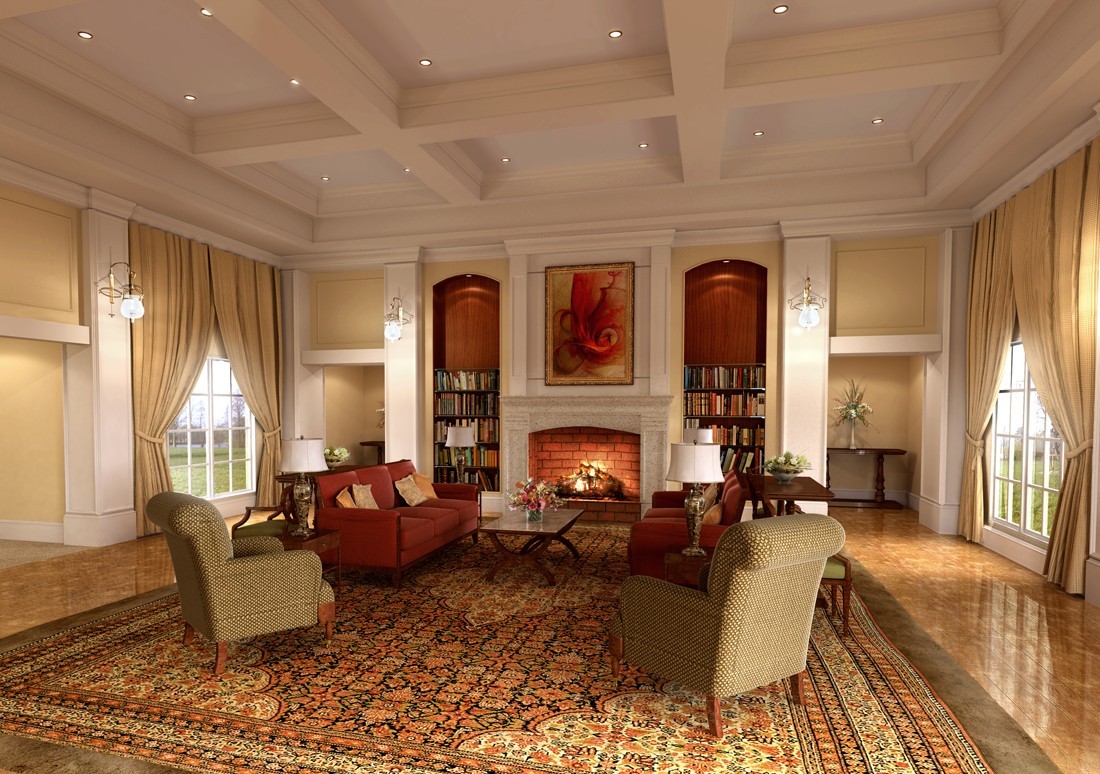
In contemporary interior design, the focus is shifting towards environmental responsibility and the well-being of occupants. This involves adopting practices that minimize the impact on the planet while creating healthy and aesthetically pleasing spaces. Sustainable design is no longer a trend but a necessity, driving innovation and reshaping how we approach interior spaces.
Sustainable Design Principles in Residential Settings
Sustainable design in residential settings centers around minimizing environmental impact throughout the lifecycle of a building and its contents. This includes careful material selection, waste reduction, and energy conservation. The goal is to create spaces that are not only beautiful and functional but also contribute to a healthier planet and a better quality of life. Consider these key aspects:
- Choosing Eco-Friendly Materials: Selecting materials with a low environmental footprint is fundamental. This involves prioritizing renewable, recycled, and locally sourced materials.
- Reducing Waste: Implementing strategies to minimize waste during construction and throughout the life of the home is essential.
- Minimizing Environmental Impact: Reducing the overall environmental impact involves considering the embodied energy of materials, water conservation, and the use of renewable energy sources.
Examples of Sustainable Practices:
- Using reclaimed wood for flooring and furniture, reducing the need for new timber and giving existing materials a second life.
- Installing bamboo flooring, which is a rapidly renewable resource, and a sustainable alternative to traditional hardwoods.
- Employing low-VOC (Volatile Organic Compounds) paints and finishes to improve indoor air quality and reduce off-gassing.
- Choosing energy-efficient appliances, such as refrigerators and washing machines with high Energy Star ratings, to minimize energy consumption.
- Implementing water-saving fixtures like low-flow toilets and showerheads to conserve water resources.
- Opting for furniture made from recycled materials, such as plastic bottles or metal scraps, to reduce waste.
- Incorporating solar panels on the roof to generate clean energy and reduce reliance on fossil fuels.
Energy-Efficient Appliances and Lighting
Energy-efficient appliances and lighting play a crucial role in creating a greener home by significantly reducing energy consumption and lowering utility bills. These technologies not only benefit the environment but also contribute to a healthier and more comfortable living space. Here’s a breakdown of the benefits and incorporation strategies:
Benefits of Energy-Efficient Appliances and Lighting:
- Reduced Energy Consumption: Energy-efficient appliances and lighting use less electricity, leading to lower energy bills and a smaller carbon footprint.
- Lower Utility Bills: Investing in energy-efficient products can result in substantial savings on monthly utility costs over the lifespan of the products.
- Improved Indoor Air Quality: Energy-efficient lighting, especially LED options, produces less heat and doesn’t contain harmful chemicals, improving indoor air quality.
- Enhanced Comfort: Modern, energy-efficient appliances often operate more quietly and provide better performance, enhancing overall comfort.
- Environmental Benefits: Reduced energy consumption means fewer greenhouse gas emissions and a smaller impact on the environment.
Incorporating Energy-Efficient Appliances and Lighting into a Design Plan:
Here’s how to integrate energy-efficient solutions effectively:
| Aspect | Details | Tips for Implementation | Example |
|---|---|---|---|
| Appliances | Energy Star-rated appliances, including refrigerators, dishwashers, washing machines, and dryers. | Prioritize appliances with the highest Energy Star ratings. Consider the size and needs of the household to avoid oversizing appliances. | A refrigerator with a high Energy Star rating can use up to 15% less energy than a standard model. |
| Lighting | LED lighting, which uses significantly less energy than incandescent and CFL bulbs. | Replace all existing incandescent bulbs with LEDs. Use smart lighting systems to control lighting and automate energy savings. | Switching from incandescent to LED bulbs can save up to 75% on lighting costs. |
| HVAC Systems | High-efficiency heating, ventilation, and air conditioning systems. | Choose systems with high SEER (Seasonal Energy Efficiency Ratio) and EER (Energy Efficiency Ratio) ratings. Ensure proper insulation and sealing of the home. | Installing a high-efficiency HVAC system can reduce energy consumption by 20-30%. |
| Smart Home Technology | Smart thermostats, lighting controls, and energy monitoring systems. | Use smart thermostats to optimize heating and cooling schedules. Monitor energy usage to identify areas for improvement. | Smart thermostats can save an average of 10-12% on heating and 15% on cooling costs. |
Biophilic Design Principles
Biophilic design seeks to connect occupants with nature, promoting well-being and reducing stress through the incorporation of natural elements and principles. This approach acknowledges the innate human affinity for the natural world and leverages it to create healthier and more enjoyable living spaces. The integration of natural light, plants, and natural materials are fundamental elements.
Strategies for Incorporating Biophilic Design:
- Integrating Natural Light: Maximizing natural light through large windows, skylights, and strategic placement of mirrors to reflect light deep into the space.
- Incorporating Plants: Introducing a variety of plants, from small indoor plants to larger trees, to purify the air, add visual interest, and create a sense of tranquility.
- Using Natural Materials: Employing materials like wood, stone, and natural fibers to create a connection to the outdoors and evoke a sense of warmth and comfort.
- Creating Visual Connections to Nature: Designing spaces with views of nature, such as gardens, trees, or bodies of water, to provide a constant reminder of the natural world.
- Incorporating Natural Patterns and Forms: Using organic shapes, patterns, and textures inspired by nature, such as curved lines, floral motifs, and textured surfaces.
Illustrations of Biophilic Design in Action:
Illustration 1: A living room flooded with natural light. Large windows offer expansive views of a lush garden. The interior features a neutral color palette with accents of green from various houseplants. Furniture is made of light-colored wood, and the flooring is a natural stone tile. The overall ambiance is bright, airy, and calming, seamlessly blending the indoors with the outdoors.
This scene evokes a feeling of peace and rejuvenation, promoting a sense of well-being.
Illustration 2: A home office with a vertical garden wall. The wall is covered in various types of plants, creating a vibrant and dynamic green space. The office desk is made of reclaimed wood, and the chair is upholstered in natural linen. Large windows provide natural light, and the overall design incorporates natural textures and patterns, fostering a productive and inspiring work environment.
This example highlights how to incorporate nature into a workspace, boosting creativity and focus.
Conclusive Thoughts
In conclusion, interior of design is a dynamic and evolving discipline that requires a holistic approach. By mastering the core principles of aesthetics, functionality, and sustainability, designers can create spaces that not only look stunning but also enhance the well-being of their occupants and minimize environmental impact. Whether you’re a seasoned professional or a design enthusiast, this guide offers valuable insights to create spaces that are both beautiful and functional, making it a valuable resource for anyone seeking to create a better living environment.
FAQ Overview
What is the difference between an interior designer and an interior decorator?
An interior designer often has formal training and can work on structural elements, space planning, and building codes. An interior decorator focuses more on the aesthetics, such as choosing furniture, fabrics, and accessories.
How do I choose the right color scheme for a room?
Consider the room’s function, the amount of natural light, and your personal preferences. Start with a color palette and test samples before committing.
What are the benefits of sustainable interior design?
Sustainable design reduces environmental impact, improves indoor air quality, and can often save money through energy efficiency and the use of durable materials.
How do I make a small room feel larger?
Use light colors, reflective surfaces (mirrors), and furniture that is scaled appropriately for the space. Maximize natural light and keep the room clutter-free.