Interiors and designs encompass a vast realm where functionality meets aesthetics, and where spaces are crafted to reflect the personality and needs of their occupants. This exploration delves into the core principles, innovative techniques, and emerging trends that define the world of interior design.
From the foundational principles of space planning and material selection to the integration of color, texture, and technology, we will unravel the key elements that contribute to creating beautiful, functional, and sustainable interiors. This journey will examine the importance of understanding diverse design styles, historical influences, and the crucial role of the design process, ensuring that every project is a resounding success.
Exploring the foundational principles of effective space planning will illuminate the core design concepts.
Space planning is the art and science of organizing the use of space within a building or room. It goes beyond mere aesthetics, focusing on functionality, flow, and the overall experience of the occupants. Effective space planning is crucial for creating environments that are both beautiful and practical, enhancing the well-being and productivity of those who use them. This process involves a deep understanding of human needs, architectural constraints, and the principles of design.
Understanding Spatial Relationships and Optimizing Functionality
The significance of understanding spatial relationships is paramount in interior design. This understanding dictates how people move through a space, how they interact with it, and how they perceive its overall atmosphere. Proper planning ensures that a space is not only visually appealing but also efficient and comfortable. This involves careful consideration of furniture placement, architectural features, and the intended use of each area.Furniture placement is a fundamental element of space planning.
It directly impacts traffic flow, the creation of zones, and the overall functionality of a room. Consider the following:
- Traffic Flow: Ensure clear pathways that allow for easy movement. Avoid placing furniture in high-traffic areas. A general rule of thumb is to maintain at least 36 inches of clear space for comfortable passage. In areas like hallways, this may increase to 48 inches or more.
- Zoning: Define different areas within a room based on their function. For example, a living room might have a seating area, a reading nook, and an entertainment zone. Furniture arrangement should support these zones.
- Scale and Proportion: Choose furniture that is appropriately sized for the room. Overly large furniture can make a room feel cramped, while furniture that is too small can make it feel sparse. Consider the relationship between furniture and architectural features, such as windows and doors.
- Conversation Areas: Arrange furniture to facilitate conversation and social interaction. Sofas and chairs should be positioned to face each other, creating a sense of intimacy.
Architectural features also play a crucial role in space planning. Windows, doors, and built-in elements like fireplaces and bookshelves can significantly impact the layout and functionality of a room.
- Natural Light: Maximize the use of natural light by positioning furniture to avoid blocking windows. Consider the direction of the sunlight and how it will affect the room throughout the day.
- Doors and Entryways: Ensure that doors open and close without obstruction. The placement of furniture near entryways should allow for easy access and avoid creating bottlenecks.
- Built-in Elements: Integrate built-in elements into the design to maximize space and functionality. Built-in bookshelves, storage units, and entertainment centers can help to organize a room and create a cohesive look.
Optimizing functionality involves considering the specific needs of the users and the intended use of the space. This might include creating a home office that is conducive to productivity, a kitchen that is efficient for cooking and entertaining, or a bedroom that is relaxing and comfortable. By carefully considering these factors, designers can create spaces that are both beautiful and highly functional.
The Golden Ratio and Visual Harmony
The Golden Ratio, often represented by the Greek letter phi (Φ), approximately equal to 1.618, is a mathematical principle that has been used for centuries to create visually pleasing proportions in art, architecture, and design. It is believed to be inherently harmonious and aesthetically satisfying to the human eye. Its application in interior design can lead to balanced and visually appealing spaces.The Golden Ratio manifests in various ways within interior design.
- Proportions of Rooms: Applying the Golden Ratio can help determine the ideal dimensions of a room. For example, the ratio can be used to calculate the optimal relationship between the length and width of a room to achieve a sense of balance. If a room’s width is 10 feet, the ideal length would be approximately 16.18 feet (10 x 1.618).
- Furniture Placement: The Golden Ratio can guide the placement of furniture and objects within a room. Consider dividing a wall into sections based on the Golden Ratio to determine the ideal placement of artwork, mirrors, or other decorative elements. For instance, if a wall is 10 feet wide, the optimal placement for a focal point, like a painting, might be approximately 6.18 feet from one end.
- Component Dimensions: This ratio can also influence the dimensions of individual furniture pieces or design elements. For example, the height of a table could be in proportion to its width, following the principles of the Golden Ratio.
- Overall Composition: The ratio can be applied to the overall composition of a room, including the arrangement of furniture, the placement of architectural features, and the use of color and texture.
Other mathematical principles, such as symmetry, asymmetry, and the use of geometric shapes, also contribute to visual harmony and balance. Symmetry creates a sense of order and formality, while asymmetry can introduce visual interest and dynamism. The use of geometric shapes, such as circles, squares, and triangles, can provide structure and visual rhythm to a space.By understanding and applying these mathematical principles, designers can create interiors that are not only aesthetically pleasing but also evoke a sense of calm, order, and well-being.
The Golden Ratio, in particular, offers a framework for achieving harmonious proportions and creating spaces that are inherently pleasing to the human eye.
Evaluating Usability Based on Human Ergonomics
Evaluating the usability of a space is crucial to ensure it is comfortable, safe, and functional for its users. Human ergonomics, the study of how people interact with their environment, provides a framework for assessing and optimizing a space’s usability. This involves considering factors such as accessibility, traffic patterns, and the specific needs of the users. The following table provides a detailed overview of the elements to consider, the key considerations, and practical implementation strategies:
| Element | Consideration | Implementation |
|---|---|---|
| Accessibility | Ensuring that the space is usable by people with disabilities. This includes considering mobility, visual, and auditory impairments. |
|
| Traffic Patterns | Optimizing the flow of movement through the space to prevent congestion and ensure ease of navigation. |
|
| Ergonomic Considerations | Designing spaces and selecting furniture that support the physical comfort and well-being of the users. |
|
| User Needs | Tailoring the space to meet the specific needs and preferences of the intended users. |
|
By systematically evaluating a space based on these ergonomic principles, designers can create environments that are not only aesthetically pleasing but also highly functional, comfortable, and safe for all users. For example, consider the design of a kitchen. A well-designed kitchen should have a work triangle (the distance between the sink, stove, and refrigerator) that is efficient and allows for easy movement.
The counter height should be appropriate for the user’s height to prevent back strain. The lighting should be adequate for food preparation, and the storage should be organized to allow for easy access to frequently used items.
Selecting appropriate materials and finishes can dramatically affect the aesthetic and practical aspects of interior design.
Selecting materials and finishes is a pivotal step in interior design, influencing not only the visual appeal of a space but also its functionality, durability, and sustainability. The choices made here determine how a space feels, how it wears over time, and its environmental impact. This process involves a careful balancing act, considering a myriad of factors to achieve the desired outcome.
Material Selection Process
The selection of materials is a multifaceted process that begins with understanding the specific needs of the space. This involves assessing the intended use of the area, the desired aesthetic, and the budget constraints. Durability, sustainability, and aesthetic appeal are the core pillars that guide material selection.Durability is paramount, especially in high-traffic areas. Materials must withstand wear and tear, and their longevity directly impacts the lifecycle cost of the design.
Sustainability considers the environmental impact of the materials, encompassing their sourcing, manufacturing processes, and end-of-life disposal. Aesthetic appeal is about the visual impact, considering color, texture, and pattern to create the desired ambiance.Different textures can create contrasting sensations. For example, smooth, polished surfaces can feel sleek and modern, while rough, textured surfaces can add warmth and rustic charm. Color plays a crucial role in setting the mood, with warm colors like reds and oranges creating a sense of energy and coolness, and cool colors like blues and greens evoking tranquility.
Patterns can add visual interest and personality to a space, from bold geometric designs to subtle organic motifs. The interplay of these elements is what shapes the overall design scheme. Consider the impact of using reclaimed wood flooring, a sustainable option that adds warmth and character, versus using polished concrete, which offers a sleek, modern aesthetic and high durability.
Lighting Fixtures and Systems
Lighting is a critical element in interior design, capable of transforming a space’s atmosphere and functionality. Effective lighting design involves a strategic combination of different lighting types to achieve the desired effect.Ambient lighting provides general illumination, creating a base level of brightness throughout the space. Task lighting is designed to illuminate specific areas for activities such as reading or cooking.
Accent lighting highlights architectural features or decorative elements, adding visual interest and depth. The careful integration of these three lighting types is key to creating a well-lit and functional space. For example, recessed lighting can provide ambient light, a pendant light over a kitchen island can serve as task lighting, and track lighting can highlight artwork.Understanding common lighting design mistakes is crucial for avoiding pitfalls.
Here are three lighting design mistakes to avoid:
- Insufficient ambient lighting: Relying solely on task or accent lighting can create a space that feels dark and unbalanced.
- Incorrect color temperature: Using light bulbs with an inappropriate color temperature (e.g., too warm or too cool) can negatively impact the ambiance of a space.
- Ignoring natural light: Failing to consider the presence and impact of natural light can lead to a poorly lit space.
Flooring Options for High-Traffic Areas
Selecting the right flooring for a high-traffic area requires careful consideration of several factors, including cost, maintenance, and style. The chosen flooring must be durable enough to withstand heavy use, easy to clean, and aesthetically pleasing. A cost-benefit analysis is essential, balancing initial investment with long-term maintenance costs and the desired lifespan of the flooring.Consider the following table demonstrating flooring options for a high-traffic area:
| Material | Pros | Cons | Recommended Use |
|---|---|---|---|
| Commercial-Grade Carpet Tile | Durable, sound-absorbing, easy to replace individual tiles, wide range of styles and colors. | Can trap allergens, requires regular cleaning, potential for staining. | Offices, retail spaces, hotels. |
| Luxury Vinyl Tile (LVT) | Water-resistant, durable, easy to clean, realistic appearance, cost-effective. | Can be susceptible to scratches, may not feel as luxurious as other materials. | Residential kitchens and bathrooms, commercial spaces. |
| Porcelain Tile | Extremely durable, water-resistant, stain-resistant, wide range of designs. | Can be cold underfoot, grout lines require maintenance, more expensive than some options. | Entryways, hallways, kitchens, bathrooms. |
| Polished Concrete | Extremely durable, low-maintenance, modern aesthetic, can be cost-effective. | Can be cold underfoot, requires professional installation, may crack over time. | Retail spaces, industrial-style interiors. |
The art of integrating color and texture into interior design projects can transform a room’s atmosphere.
Color and texture are fundamental elements in interior design, capable of profoundly impacting the ambiance and functionality of a space. Understanding the psychology of color and the strategic application of textures allows designers to create environments that resonate with specific emotions and enhance the overall user experience. This section delves into the principles of color and texture integration, providing practical insights for creating captivating interior designs.
The Psychology of Color and Color Palette Application
Color psychology explores how different hues affect human emotions and behaviors. Colors can evoke a range of feelings, from tranquility to excitement, making them a powerful tool for designers. The strategic use of color palettes is essential for establishing the desired mood within a space.The color wheel, a fundamental tool in design, illustrates the relationships between colors. It organizes colors into primary (red, yellow, blue), secondary (orange, green, violet), and tertiary colors.
Understanding color harmonies, such as complementary (opposite colors on the wheel), analogous (colors next to each other), and triadic (three colors equally spaced), is crucial for creating visually appealing and balanced palettes. For instance, using a complementary scheme of blue and orange can create a vibrant and energetic atmosphere, while an analogous scheme of blues and greens can foster a sense of calm and serenity.Consider a bedroom design: A palette of soft blues and lavenders, an analogous scheme, can promote relaxation and tranquility.
Conversely, a living room might benefit from a warm, inviting palette featuring earthy tones like terracotta and creams, with accents of a complementary color like teal to add visual interest. The choice of color saturation and value (lightness or darkness) further influences the emotional impact. Lighter shades tend to create an airy and spacious feel, while darker shades can make a space feel more intimate and dramatic.
Ultimately, the successful application of color psychology involves carefully considering the function of the space, the desired mood, and the preferences of the occupants. For example, a restaurant aiming to boost appetite might use warm colors like red and yellow, while a spa might employ cooler, calming colors like blues and greens.
Textile Choices in Interior Design
Textiles play a significant role in interior design, influencing both aesthetics and functionality. The selection of fabrics involves considering factors like durability, texture, pattern, and intended use. Different fabric types offer varied properties, making them suitable for specific applications.
- Cotton: A versatile and widely used fabric known for its breathability, softness, and affordability. It’s suitable for upholstery, curtains, and bedding. However, it can wrinkle easily and may require special treatments for stain resistance.
- Linen: Linen offers a luxurious feel and a natural, textured appearance. It is durable and highly absorbent, making it ideal for curtains, slipcovers, and bedding. Linen tends to wrinkle and may require more maintenance than other fabrics.
- Silk: Silk is a luxurious and elegant fabric with a beautiful drape and sheen. It is often used for curtains, decorative pillows, and accent pieces. Silk is delicate and requires careful handling and cleaning.
- Wool: Wool is a warm, durable, and naturally stain-resistant fabric. It is commonly used for rugs, upholstery, and blankets. Wool can be expensive and may require professional cleaning.
- Polyester: Polyester is a synthetic fabric known for its durability, wrinkle resistance, and affordability. It is often used for upholstery, curtains, and outdoor furniture. Polyester is less breathable than natural fibers.
Different textile applications for window treatments:
- Curtains: Fabric panels hung to the side of a window, providing privacy, light control, and decorative appeal.
- Drapes: Heavier, lined curtains that offer superior light blockage and insulation.
- Blinds: Horizontal or vertical slats that can be adjusted to control light and privacy.
- Shades: Fabric panels that roll up or fold up, offering a streamlined look and light control.
- Valances: Decorative fabric treatments that cover the top portion of a window, adding a finishing touch.
The Use of Texture in Interior Design
Texture refers to the surface quality of a material, impacting how light reflects and how the material feels to the touch. Incorporating diverse textures is essential for creating visual interest and depth in a space. Combining different textures can prevent a room from appearing flat and monotonous.Consider a living room design:
- Velvet Upholstery: The plush, luxurious feel of velvet on a sofa or armchair adds a sense of opulence and comfort. The fabric’s slight sheen captures light beautifully, creating a visual contrast against other textures.
- Rough-hewn Wood Flooring: The natural grain and uneven surface of reclaimed wood flooring provide a rustic and grounding element. The variations in tone and texture add character and warmth to the space.
- Woven Jute Rug: A jute rug introduces a natural, tactile element with its coarse, fibrous texture. The neutral color and organic texture create a sense of balance and warmth, complementing the smooth velvet and rough wood.
These materials, when combined, create a layered and visually rich environment, each contributing to the overall aesthetic and tactile experience of the room.
Understanding diverse design styles is important for the creation of unique interior spaces.
Exploring a variety of design styles is crucial for interior designers aiming to create spaces that are both aesthetically pleasing and tailored to the client’s needs and preferences. Understanding the nuances of different styles, from the classic to the contemporary, allows for informed decision-making regarding space planning, material selection, and overall atmosphere. This knowledge enables designers to blend elements from various styles, creating unique and personalized interiors.
Comparing and Contrasting Design Styles
Different design styles offer distinct aesthetics, each with its own characteristics, materials, and color palettes. A comparative analysis highlights the key differences and similarities between them.
- Modern: This style emphasizes clean lines, functionality, and a minimalist approach. It often incorporates materials like steel, glass, and concrete. The color palette typically features neutral tones, such as white, gray, and black, with occasional pops of bold color. Furniture is often geometric and streamlined, prioritizing form and function.
- Minimalist: A more extreme version of modern design, minimalism strips away unnecessary elements, focusing on simplicity and essentialism. Spaces are uncluttered, with a focus on negative space. Materials are often similar to modern design, but with a stronger emphasis on natural textures and light. Color palettes are typically limited to a few neutral shades.
- Traditional: Rooted in historical design, traditional style embraces ornate details, rich textures, and classic furniture. Common materials include wood, plush fabrics, and decorative elements. The color palette often includes warm, inviting colors like creams, golds, and deep reds, often with patterned wallpaper or textiles. Furniture is typically characterized by curved lines and detailed carvings.
- Bohemian: Bohemian, or “boho,” style is characterized by a free-spirited and eclectic approach. It embraces a mix of textures, patterns, and colors from various cultures. Materials often include natural elements like wood, rattan, and macramé. Color palettes are vibrant and diverse, incorporating earthy tones, jewel tones, and global patterns. Furniture is often vintage or handcrafted, with an emphasis on comfort and personality.
Influence of Historical Periods on Interior Design
Historical periods have significantly shaped interior design, influencing furniture styles, architectural details, and overall aesthetics. Understanding these periods provides valuable context for appreciating and incorporating design elements.
| Design Period | Key Features | Influential Designers | Notable Characteristics |
|---|---|---|---|
| Art Deco (1920s-1930s) | Geometric shapes, luxurious materials, bold colors, and a sense of glamour. | Émile-Jacques Ruhlmann, Paul Poiret | Use of materials like chrome, glass, and exotic woods; often featured stylized ornamentation and symmetrical designs. |
| Victorian (1837-1901) | Ornate details, heavy furniture, rich colors, and a sense of opulence. | William Morris, Charles Eastlake | Emphasis on comfort and domesticity; characterized by patterned wallpapers, plush upholstery, and dark wood furniture. |
| Mid-Century Modern (1940s-1960s) | Clean lines, functionality, organic forms, and a focus on simplicity. | Charles and Ray Eames, Eero Saarinen | Use of materials like wood, metal, and plastic; often featured iconic furniture designs and a bright, optimistic color palette. |
Global Design Influences
Different cultures around the world have profoundly impacted interior design, each bringing unique aesthetics and design principles. Studying these influences expands the designer’s creative palette and allows for the creation of diverse and culturally sensitive spaces.
- Scandinavian Design: Known for its simplicity, functionality, and use of natural light. Common design elements include:
- Light wood tones (e.g., pine, birch)
- Neutral color palettes (white, gray, pastels)
- Minimalist furniture with clean lines
- Textiles with simple patterns
- Emphasis on natural light and airy spaces
- Japanese Design: Characterized by its minimalism, harmony with nature, and use of natural materials. Common design elements include:
- Tatami mats
- Shoji screens
- Low furniture
- Natural materials (wood, bamboo, paper)
- Emphasis on simplicity and order
- Moroccan Design: Known for its vibrant colors, intricate patterns, and use of textures. Common design elements include:
- Arched doorways and windows
- Intricate tilework (zellij)
- Rich textiles (e.g., rugs, cushions)
- Bold colors (e.g., blues, reds, oranges)
- Ornate lanterns and metalwork
Designing sustainable and eco-friendly interiors can benefit both the inhabitants and the environment.

Sustainable interior design prioritizes environmental responsibility and human well-being, aiming to minimize the negative impacts of construction and design on the planet. This approach considers the entire lifecycle of a product, from material sourcing and manufacturing to installation, use, and disposal. It involves making conscious choices to reduce waste, conserve resources, and create healthier indoor environments.
Principles of Sustainable Design
Sustainable design incorporates several key principles.* Material Selection: The selection of materials is critical.
Prioritize the use of renewable, recycled, and reclaimed materials.
Choose materials with low embodied energy (the total energy required to produce a product).
Consider materials sourced locally to reduce transportation emissions.
Energy Efficiency
Reducing energy consumption is paramount.
Incorporate energy-efficient appliances, lighting, and HVAC systems.
Maximize natural light and ventilation to minimize reliance on artificial lighting and air conditioning.
Use smart home technologies to optimize energy use.
Water Conservation
Implementing water-saving strategies is essential.
Install low-flow fixtures, such as faucets and showerheads.
Consider rainwater harvesting systems for non-potable uses.
Choose drought-tolerant landscaping for outdoor spaces.
Waste Reduction
Minimizing waste throughout the design process is important.
Design for durability and longevity to reduce the need for replacements.
Choose furniture and finishes that are easily repairable or adaptable.
Implement strategies for recycling and composting.
Indoor Environmental Quality (IEQ)
Creating healthy indoor spaces is crucial.
Use materials and finishes that minimize harmful emissions.
Ensure proper ventilation to maintain good air quality.
Incorporate natural elements, such as plants, to improve air quality and well-being.
Indoor Air Quality and Material Selection
Indoor air quality (IAQ) significantly affects occupant health and comfort. Poor IAQ can lead to respiratory problems, headaches, and other health issues. Selecting materials and finishes with low volatile organic compound (VOC) emissions is a key strategy for improving IAQ. VOCs are chemicals that evaporate at room temperature and can contribute to indoor air pollution.* Low-VOC Materials: These materials release minimal VOCs into the air.
Paints and Coatings
Choose paints and coatings labeled as “low-VOC” or “zero-VOC.” These products are formulated with fewer harmful chemicals.
Flooring
Select flooring options like bamboo, cork, and reclaimed wood, which often have lower VOC emissions than synthetic alternatives. Consider carpets made from natural fibers like wool or jute, or those certified by organizations like the Carpet and Rug Institute (CRI).
Adhesives and Sealants
Opt for low-VOC adhesives and sealants to minimize emissions from these products.
Furniture
Choose furniture made from solid wood or sustainable materials, and avoid products made with particleboard or MDF (medium-density fiberboard), which often contain formaldehyde, a VOC.
Composite Wood Products
Ensure that any composite wood products used (e.g., in cabinetry or paneling) are certified by the California Air Resources Board (CARB) for low formaldehyde emissions.* Benefits of Low-VOC Materials: Using low-VOC materials offers several benefits.
Improved IAQ and reduced health risks.
Reduced exposure to harmful chemicals.
Contribution to a healthier indoor environment.
Support for sustainable design practices.
Hypothetical Sustainable Design Project
Consider a renovation project for a residential living room, focusing on sustainable practices.
Flooring
Reclaimed hardwood flooring, sourced locally, to minimize transportation emissions and utilize existing resources.
Paints
Walls and ceiling painted with zero-VOC paint in a light, neutral color to maximize natural light reflection and reduce the need for artificial lighting.
Furniture
A sofa made from sustainably harvested wood, with cushions filled with natural latex and covered in organic cotton fabric.
Lighting
Energy-efficient LED lighting fixtures, including recessed lighting and decorative lamps, with dimmers to control light levels and conserve energy.
Window Treatments
Bamboo blinds to provide shade, privacy, and reduce heat gain, coupled with sheer, organic cotton curtains to diffuse light and improve indoor air quality.
Indoor Air Quality
A strategically placed air purifier with a HEPA filter to remove dust and allergens, improving air quality.
Accessories
Decorative items made from recycled materials, such as glass vases or metal sculptures.
Insulation
Use of recycled denim or cellulose insulation to enhance thermal performance and energy efficiency.
Energy-Efficient Appliances
Replacement of existing appliances with Energy Star-certified models.
Implementing the design process, from conceptualization to execution, ensures successful interior design projects.
The journey from an initial idea to a beautifully realized interior space involves a structured process. This process ensures that the client’s vision is accurately translated into a functional and aesthetically pleasing design. It requires careful planning, effective communication, and meticulous execution.
The Steps in the Design Process
The interior design process is a multifaceted undertaking, comprising several key stages that build upon each other. Each step is crucial for achieving a successful outcome, and careful management of each stage is vital.
- Client Consultation and Needs Assessment: The initial stage involves understanding the client’s needs, preferences, and lifestyle. This includes discussing the scope of the project, budget, and desired aesthetic. It is essential to conduct thorough interviews, review existing architectural plans, and potentially visit the space to be designed.
- Space Planning and Programming: This phase focuses on optimizing the layout of the space. It involves creating floor plans that consider traffic flow, functionality, and spatial relationships. It is also important to determine the size and location of rooms, furniture, and other design elements.
- Concept Development: Based on the client’s brief and the space planning, the designer develops a design concept. This involves creating a mood board that communicates the overall aesthetic, including color palettes, materials, and textures.
- Material and Finish Selection: Selecting the right materials and finishes is critical for the design’s success. This involves sourcing and selecting flooring, wall coverings, fabrics, and other elements that align with the design concept and the client’s preferences. Samples and mock-ups are often used to visualize the final outcome.
- Design Documentation: This stage involves creating detailed drawings, specifications, and construction documents. These documents serve as a blueprint for the project and ensure that the design is accurately executed by contractors.
- Project Management and Execution: This involves overseeing the project’s construction, coordinating with contractors, and managing the budget and schedule. Regular site visits and communication are essential to ensure the project stays on track.
Tools for Effective Communication
Effective communication is paramount in interior design. Designers use various tools to visualize and communicate their ideas to clients and contractors. These tools help bridge the gap between abstract concepts and the tangible reality of the finished space.
- Mood Boards: Mood boards are visual collages that capture the essence of the design concept. They typically include images of furniture, fabrics, color palettes, and other design elements. For example, a mood board for a modern minimalist living room might feature images of sleek furniture, neutral colors, and natural materials like wood and stone.
- Floor Plans: Floor plans are two-dimensional drawings that show the layout of a space from a top-down perspective. They illustrate the placement of walls, doors, windows, furniture, and other design elements. They help clients understand the spatial relationships within the design.
- 3D Renderings: 3D renderings are computer-generated images that provide a realistic visualization of the finished space. They allow clients to see the design in three dimensions and assess the impact of different design choices. For instance, a 3D rendering can show how natural light will illuminate a room or how furniture will fit within the space.
Managing a Design Project, Interiors and designs
Successful project management is crucial for ensuring that a design project is completed on time, within budget, and to the client’s satisfaction. This requires careful planning, organization, and communication.
Here is an example of how a project can be managed using a table:
| Task | Timeline | Responsible Party | Budget Allocation |
|---|---|---|---|
| Client Consultation & Needs Assessment | 1 Week | Lead Designer | $500 |
| Space Planning & Floor Plan Development | 2 Weeks | Lead Designer & Draftsman | $2,000 |
| Concept Development & Mood Board Creation | 1 Week | Lead Designer | $1,000 |
| Material & Finish Selection | 3 Weeks | Lead Designer & Procurement Specialist | $3,000 (Sample Costs) |
| Design Documentation & Construction Drawings | 4 Weeks | Lead Designer & Draftsman | $4,000 |
| Project Management & Execution | 8-12 Weeks (depending on project size) | Project Manager & Contractors | Remaining Budget (Contingency: 10%) |
The integration of technology into interior design creates smart and adaptable spaces.
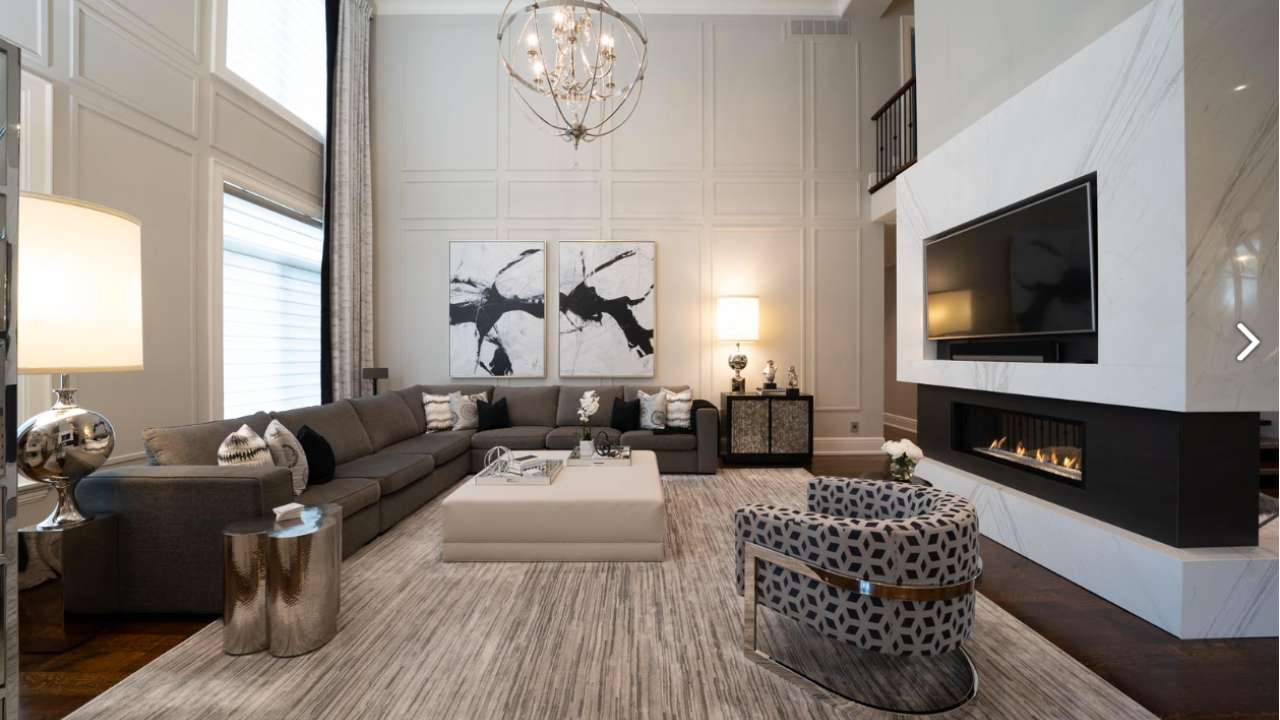
Integrating technology into interior design is no longer a futuristic concept but a present-day reality, transforming how we experience and interact with our living and working environments. Smart home technology has revolutionized interior design, enhancing functionality, convenience, and sustainability. This integration allows for creating spaces that are responsive, adaptable, and personalized to the user’s needs.
Smart Home Technology and Enhanced Functionality
Smart home technology dramatically enhances the functionality and convenience of interior spaces. This is achieved through the automation of various systems, offering users greater control and efficiency. For example, automated lighting systems can be programmed to adjust brightness and color temperature based on the time of day or user preferences. Climate control systems, such as smart thermostats, learn user behavior and optimize energy consumption by adjusting heating and cooling based on occupancy and external weather conditions.
Security systems integrate smart locks, video doorbells, and surveillance cameras, providing enhanced safety and peace of mind.These technologies can be controlled via smartphones, tablets, or voice assistants, providing seamless and intuitive user experiences. Consider a scenario where a homeowner can remotely adjust the lighting, temperature, and security of their home before arriving, ensuring a comfortable and secure environment. This level of control contributes to a more efficient use of resources and improves the overall quality of life.
Moreover, integrating smart appliances, such as refrigerators and ovens, allows for remote monitoring and control, adding another layer of convenience.
Seamless Technology Integration in Design
Incorporating technology seamlessly into interior design requires careful consideration of aesthetics, usability, and integration with other design elements. The goal is to create a cohesive and unobtrusive experience where technology enhances the space without dominating it.A crucial aspect is the thoughtful placement of devices and wiring. Concealing wires within walls or furniture, and utilizing strategically placed outlets, ensures a clean and uncluttered look.
The selection of smart home devices that complement the overall design aesthetic is also important. For instance, choosing sleek, minimalist lighting fixtures or integrating smart speakers into the ceiling or walls can maintain a cohesive design.User-friendly interfaces are essential. Designing intuitive control systems, whether through touchscreens, voice commands, or mobile apps, makes the technology accessible and easy to use for all occupants.
Furthermore, the integration of technology should consider future upgrades and adaptability. This may involve selecting modular systems that can be easily updated or expanded as new technologies emerge. Ultimately, successful integration balances functionality with aesthetics, creating a space that is both smart and visually appealing.
Emerging Trends in Technology and Interior Design
The intersection of technology and interior design is constantly evolving, with new trends and innovations emerging regularly. Virtual reality (VR) and augmented reality (AR) are becoming increasingly popular tools for design visualization and client presentations. VR allows designers to create immersive 3D models of spaces, enabling clients to experience the design firsthand before construction begins. AR overlays digital elements onto the real world, allowing designers to visualize furniture and other design elements within a physical space using a smartphone or tablet.The following is a list of current technological advancements impacting the field:
- Voice Control Integration: The increased use of voice assistants (e.g., Alexa, Google Assistant) to control various aspects of a home, from lighting and climate to entertainment systems.
- Smart Home Automation: The automation of various home systems, including lighting, security, and entertainment, to create a more convenient and efficient living environment.
- Advanced Lighting Systems: The use of smart lighting systems with features such as tunable white light and color-changing capabilities to enhance ambiance and functionality.
- Smart Appliances: The integration of smart appliances that can be controlled remotely, offering features such as energy monitoring and predictive maintenance.
- 3D Printing: The use of 3D printing for creating custom furniture, fixtures, and design elements, allowing for greater design flexibility and personalization.
- Biophilic Design: Integrating technology that supports biophilic design principles, such as automated plant watering systems and smart windows that adjust light and temperature based on environmental conditions.
- Data-Driven Design: The use of data analytics to understand user behavior and preferences, enabling designers to create spaces that are optimized for comfort, functionality, and well-being.
Last Word: Interiors And Designs
In conclusion, interiors and designs is a dynamic field that blends creativity, technical expertise, and an understanding of human needs. By embracing sustainable practices, integrating smart technology, and continually adapting to evolving trends, designers can create spaces that inspire, comfort, and enhance the lives of those who inhabit them. The ability to transform a space, to make it not only beautiful but also functional and reflective of individual personalities, is the essence of great design, making interiors and designs a perpetually fascinating and rewarding discipline.
Question Bank
What is the difference between interior design and interior decorating?
Interior design involves the planning, research, and coordination of a project, focusing on the functionality and safety of a space, including structural changes. Interior decorating, on the other hand, focuses on the aesthetics and furnishings of a space.
How do I choose the right color palette for my space?
Consider the room’s function, the amount of natural light, and your personal preferences. Use color wheels and harmonies to guide your choices, and always test paint samples before committing.
What are some sustainable materials for interior design?
Bamboo, reclaimed wood, low-VOC paints, and recycled materials are all excellent choices. Look for certifications like LEED to ensure materials meet sustainability standards.
How important is lighting in interior design?
Lighting is crucial. It affects the mood, functionality, and overall aesthetic of a space. Layering different types of lighting (ambient, task, accent) creates a well-designed and comfortable environment.