Pakaian branded original takes center stage in today’s fashion discourse, captivating consumers with its promise of quality, authenticity, and prestige. The allure of original branded clothing lies not only in its superior craftsmanship but also in the emotional connection it fosters between the brand and its patrons. As consumers increasingly seek unique expressions of their identity, the significance of choosing authentic items becomes paramount, particularly in a market flooded with counterfeit alternatives.
In a world where trends come and go, the steadfast appeal of original branded clothing remains, driven by factors such as brand loyalty and an unwavering commitment to quality. This discussion delves into the aspects that make original branded clothing desirable, from the assurance of authenticity to the psychological benefits that accompany owning these prestigious items. By understanding the nuances of purchasing original versus knockoff clothing, consumers can navigate the fashion landscape with confidence and awareness.
Understanding the Appeal of Original Branded Clothing
The allure of original branded clothing is a phenomenon that encompasses various factors, ranging from status to quality. Consumers are often drawn to these products not just for their aesthetic appeal but also for what the brands represent. The desire to embody a certain lifestyle or social status can significantly influence purchasing decisions, making original branded clothing a popular choice among consumers.One key reason consumers are attracted to original branded clothing is the perception of quality associated with these brands.
Original items are typically made with superior materials and craftsmanship, leading to a better fit and longer-lasting garments compared to non-branded alternatives. This quality assurance is often backed by the brand’s reputation, which plays a crucial role in consumer behavior. For instance, renowned brands like Gucci or Nike have built a legacy around their high-quality products, which encourages customers to invest in their offerings with the expectation that they will receive value for their money.
Brand Loyalty and Consumer Behavior
Brand loyalty is a significant factor in consumer purchasing decisions, particularly in the fashion industry. A loyal customer is more likely to choose a brand they trust over competitors, even if it means paying a premium price. This loyalty can stem from positive past experiences with the brand or the emotional connection consumers feel towards it.Several dimensions contribute to brand loyalty in the context of original branded clothing.
Understanding these can provide insight into consumer behavior:
- Emotional Connection: Consumers often develop a personal affinity for a brand, influenced by marketing campaigns, lifestyle endorsements, and community engagement.
- Consistency: Brands that consistently deliver high-quality products foster trust, making consumers more inclined to return for future purchases.
- Word of Mouth: Recommendations from friends or social media influencers can significantly sway potential buyers, particularly in youth-driven fashion markets.
- Exclusive Offers: Membership programs or limited edition releases can create a sense of urgency and desirability, further enhancing loyalty.
In conclusion, the intersection of quality and brand loyalty is vital in understanding consumer behavior regarding original branded clothing. As consumers increasingly seek assurance in their purchases, brands that prioritize quality and foster strong emotional connections stand out in a crowded marketplace.
“Quality is remembered long after the price is forgotten.”
Distinguishing Between Original and Knockoff Clothing
When it comes to fashion, the distinction between original branded clothing and counterfeit items can be subtle yet significant. Understanding these differences is crucial for consumers who wish to invest in quality products while avoiding the pitfalls of knockoff apparel. By being able to differentiate between the two, shoppers can appreciate the value of authentic pieces and the craftsmanship involved in their creation.Identifying original branded clothing involves examining several key characteristics that often set them apart from counterfeit items.
Authentic brands take pride in their craftsmanship, materials, and overall presentation. The following factors are commonly used to differentiate original clothing from knockoffs:
Characteristics of Original vs. Knockoff Clothing
The differences between original and counterfeit clothing can be evaluated through the following aspects:
- Quality of Materials: Original branded clothing is made using high-quality fabrics that feel luxurious and durable, while knockoffs often use cheaper materials that can wear out quickly.
- Stitching and Construction: Authentic items typically feature precise stitching and a well-thought-out construction. Counterfeit pieces may display uneven seams, loose threads, or poor-fitting elements.
- Branding and Labels: Genuine products feature accurate logos, tags, and labels that are consistent with the brand’s specific design. Counterfeits may have misspelled brand names or poorly printed tags.
- Price Point: Original branded clothing is usually priced to reflect its quality and brand reputation. If a deal seems too good to be true, it likely is a sign of a knockoff.
- Packaging: Authentic clothing often comes with branded packaging that enhances the unboxing experience, unlike knockoffs that may have minimal or no packaging.
The consequences of purchasing knockoff clothing extend beyond mere aesthetics. Consumers may face various impacts, both personal and broader economic ramifications.
Counterfeit clothing can lead to the following repercussions:
- Financial Loss: Investing in low-quality knockoffs can lead to repeated purchases as these items wear down faster, resulting in a greater overall expense.
- Ethical Concerns: Many counterfeit products are produced under unethical labor conditions, contributing to social injustices.
- Legal Issues: In some regions, buying or selling counterfeit goods can lead to legal consequences, including fines or confiscation of products.
The economic impact of counterfeit fashion not only affects consumers but also has significant implications for the fashion industry.
The presence of knockoff clothing in the market can disrupt the economy in the following ways:
- Revenue Loss: Brands suffer significant financial losses due to counterfeit sales, which can undermine research and development, marketing, and employment opportunities.
- Brand Integrity: The proliferation of knockoffs can dilute brand reputation and consumer trust, making it harder for authentic brands to maintain their market position.
- Job Loss: The counterfeit industry can lead to job losses in legitimate businesses, as they struggle to compete with lower-priced knockoffs.
In summary, the distinction between original branded clothing and counterfeit items is critical for consumers to understand. By recognizing the unique characteristics of authentic apparel, individuals can make informed purchasing decisions that support ethical practices and quality craftsmanship in the fashion industry.
The Importance of Authenticity in Fashion
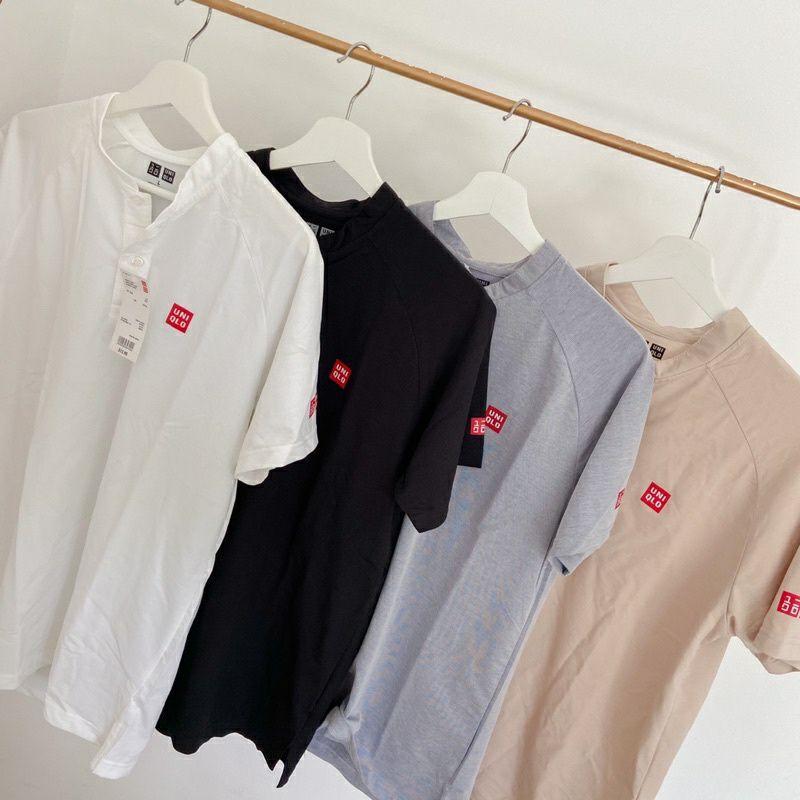
In the fast-paced world of fashion, authenticity plays a crucial role in shaping consumer perceptions and brand loyalty. As shoppers become more discerning, the demand for genuine products has surged, highlighting the importance of authenticity not only for brand reputation but also for consumer trust.The connection between authenticity and consumer trust cannot be overstated. When consumers believe that a brand is genuine, they are more likely to invest their time and money into its products.
This trust stems from the assurance that they are purchasing items crafted with quality materials and workmanship, rather than imitations. As a result, authentic brands enjoy higher levels of customer loyalty, which can significantly impact their bottom line.
Methods for Verifying Product Authenticity, Pakaian branded original
Brands employ various strategies to verify the authenticity of their products, ensuring consumers can confidently identify genuine items. These methods not only serve to protect the brand’s integrity but also enhance consumer trust. Key verification methods include:
- Serial Numbers and Unique Codes: Many companies assign unique serial numbers or codes to each product. This allows consumers to verify the authenticity online by entering the code on the brand’s official website.
- RFID Technology: Radio-frequency identification (RFID) tags embedded in products provide a tamper-proof way to track authenticity throughout the supply chain, from production to retail.
- Watermarks and Specialized Labels: High-quality labels and watermarks on tags and packaging can deter counterfeiters, as they often require advanced technology to replicate.
- Blockchain Technology: Some brands are adopting blockchain technology to enhance transparency and traceability in their supply chains, providing consumers with a secure way to verify the origin and authenticity of their purchases.
Role of Certifications and Tags
Certifications and tags serve as essential tools for distinguishing original items from counterfeits. These elements not only provide consumers with confidence in their purchases but also enhance the perceived value of the product. Key aspects include:
- Authenticity Tags: Many luxury brands include authenticity tags as part of their packaging, indicating that the product is genuine and providing a sense of assurance to buyers.
- Industry Certifications: Certifications from recognized industry bodies, such as the Authenticity Guarantee from certain fashion groups, help consumers identify trustworthy brands committed to authenticity.
- Eco-Certifications: Brands that focus on sustainability often display eco-certifications, signaling their commitment to ethical practices, which can also assure consumers of their authenticity.
“Authenticity is the cornerstone of consumer trust in fashion; without it, brands risk losing their loyal customer base.”
{The Role of Fashion Influencers in Promoting Original Brands}
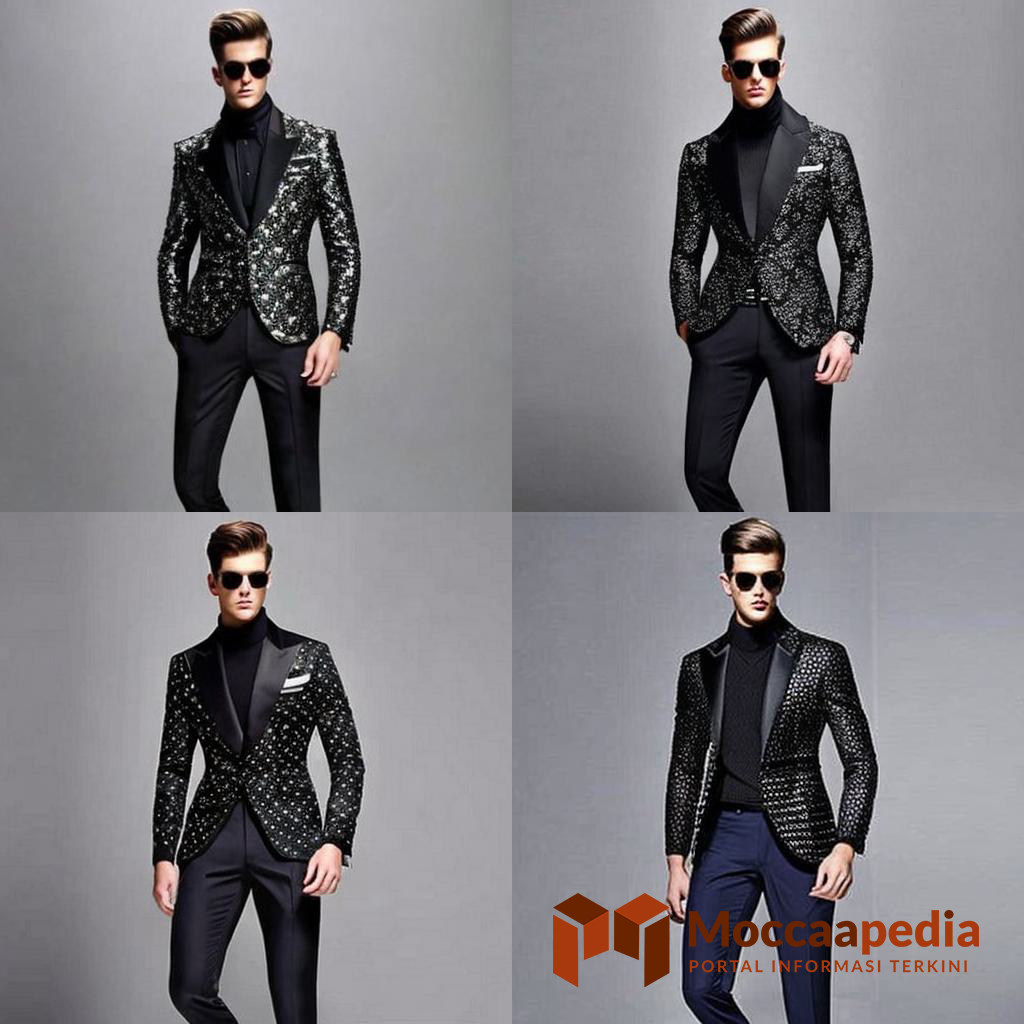
Fashion influencers play a pivotal role in shaping consumer attitudes and behaviors towards original branded clothing. By leveraging their unique styles and vast social media presence, these influencers not only showcase products but also cultivate a sense of desirability and authenticity around original brands. As more consumers seek genuine fashion experiences, influencers serve as the bridge connecting brands to potential customers.The influence of fashion influencers extends beyond mere product promotion; they contribute significantly to the narrative of brand authenticity.
Their endorsement often manifests in relatable content, where they integrate original branded clothing into their everyday lives. This method of promotion fosters a perception of authenticity that resonates with followers. Social media platforms like Instagram, TikTok, and YouTube have become avenues where influencers deliver valuable content that highlights the unique aspects of original fashion brands.
{Successful Influencer Campaigns Highlighting Authentic Fashion}
Several successful campaigns have effectively illustrated the power of influencers in promoting original fashion brands. One notable example is the collaboration between luxury brand Gucci and influencer Aimee Song. Through her Instagram feed, Song seamlessly incorporated Gucci pieces into her personal style, garnering attention and engagement. Her authentic representation of the brand not only drove traffic to Gucci’s online store but also reinforced the idea of luxury fashion being accessible and relatable.Another impactful campaign was the partnership between Daniel Wellington and various micro-influencers.
By encouraging influencers to showcase their watches in lifestyle settings, the brand successfully created a community-driven narrative that elevated its status. The consistent use of the hashtag #DWPickoftheDay allowed for a visual compilation of how different individuals styled their watches, emphasizing the brand’s versatility and authenticity.Social media has dramatically reshaped consumer perceptions of brand authenticity. The constant visual stimulation and engagement on platforms like Instagram enable consumers to form opinions based on influencer narratives rather than traditional advertising methods.
Authenticity is often perceived through the lens of relatability—consumers are more likely to trust a product recommended by someone they follow and admire over a generic ad. This shift highlights the importance of genuine content creation by influencers, where the emphasis is placed on storytelling and personal connection with products.
“Authenticity in branding is no longer simply about the product; it’s about the experience and the stories shared around the brand.”
In conclusion, the power of fashion influencers in promoting original brands cannot be understated. Their ability to forge connections with consumers through authentic storytelling and relatable content significantly impacts brand perception and consumer behavior in the fashion industry.
Exploring the Price Differences Between Original and Replica Clothing
In the realm of fashion, the distinction between original branded clothing and its replicas often comes down to significant differences in pricing. Understanding these differences is crucial for consumers who wish to make informed purchasing decisions while considering the value they receive for their money. This discussion delves into the factors influencing the cost of original items and examines consumer perceptions of value in fashion.
Price Comparison of Original and Replica Clothing
The following table illustrates the price points of various popular branded clothing items compared to their replica counterparts. This comparison emphasizes the stark differences that often exist between originals and replicas.
| Item | Original Brand Price (USD) | Replica Price (USD) |
|---|---|---|
| Nike Air Max 270 | $150 | $45 |
| Adidas Superstar Sneakers | $85 | $30 |
| Levi’s 501 Jeans | $69.50 | $25 |
| Gucci GG Marmont Bag | $1,200 | $150 |
| Chanel Classic Flap Bag | $5,000 | $300 |
Several factors contribute to the pricing of original items, which can justify their higher costs. These factors include:
Brand Reputation
Established brands often have a long heritage of quality and craftsmanship, which consumers are willing to pay for.
Material Quality
Original items typically use higher-quality materials that ensure durability and comfort.
Design and Innovation
Brands invest heavily in design and research to create unique products, often protected by patents and trademarks.
Ethical Production
Many original brands adhere to ethical labor practices, which can increase production costs but enhance the overall value of the product.
Marketing and Brand Image
The cost of marketing campaigns and endorsements by celebrities often gets factored into the retail price.
Consumers often perceive value for money differently when it comes to fashion purchases, leading to varying preferences between original and replica items.
Consumer perceptions play a pivotal role in the ongoing debate about value for money in fashion. Many buyers opt for replicas due to their affordability, believing they receive similar aesthetics at a fraction of the price. However, others maintain that the long-term benefits of investing in original clothing—such as longevity, better fit, and brand prestige—justify the higher expenditure. As conscious consumers navigate the fashion landscape, understanding price differences and the underlying factors can guide them in making choices aligned with their values and financial considerations.
The Environmental Impact of Fast Fashion vs. Original Brands
The fashion industry is at a critical juncture, with fast fashion’s rapid production cycles posing significant environmental challenges. In contrast, original branded clothing companies are increasingly adopting sustainable practices that aim to mitigate their ecological footprint. Understanding the differences between these two approaches can empower consumers to make informed choices that align with their values.Fast fashion, characterized by its quick turnaround of trendy clothing at low prices, significantly contributes to environmental degradation.
The production process often involves high levels of waste, excessive water usage, and harmful chemical use, leading to pollution and resource depletion. According to reports, the fashion industry is responsible for about 10% of global carbon emissions, with the demand for cheap, disposable clothing driving this impact. This unsustainable model results in millions of tons of textile waste each year, much of which ends up in landfills, further exacerbating environmental issues.
Sustainability Practices of Original Branded Clothing Companies
Many original branded clothing companies are committed to sustainability, implementing practices that prioritize environmental well-being. Their approach often includes the following:
- Eco-friendly Materials: Original brands frequently utilize organic, recycled, or sustainably sourced materials, reducing reliance on synthetic fibers that contribute to pollution.
- Ethical Manufacturing: These companies tend to partner with factories that adhere to strict labor and environmental standards, ensuring fair wages and safe working conditions.
- Waste Reduction Initiatives: Many brands have adopted zero-waste strategies, repurposing off-cuts and surplus fabrics to create new products, thereby minimizing landfill contributions.
- Carbon Offset Programs: Some brands invest in projects that offset their carbon emissions, such as reforestation initiatives or renewable energy projects.
Supporting brands that prioritize eco-friendly practices is essential for fostering a sustainable future. By choosing original brands over fast fashion, consumers can contribute to a decrease in environmental harm. The conscious decision to invest in quality over quantity not only promotes ethical consumerism but also encourages the fashion industry to shift towards more sustainable models.
“Fashion is not just about clothing; it’s about the impact it has on our planet.”
Navigating the Market for Original Branded Clothing
In today’s fashion landscape, the presence of counterfeit products has become increasingly common, making it essential for consumers to navigate the market wisely. Authentic branded clothing not only represents quality and style but also contributes to a sustainable fashion economy. Being informed about where and how to buy original products is critical for any fashion enthusiast or everyday shopper looking to invest in genuine attire.
Identifying trustworthy sources for purchasing genuine branded clothing entails a multifaceted approach. It’s not just about knowing where to shop; it’s also about recognizing the hallmark signs of authenticity that come with reputable vendors. Here are methods to ensure you’re purchasing from reliable sources:
Methods to Identify Trustworthy Sources
Before committing to a purchase, consider these essential strategies to verify the authenticity of your clothing source:
- Authorized Retailers: Always check the official brand website for a list of authorized retailers. Shopping through these venues reduces the risk of encountering counterfeit products.
- Customer Reviews: Analyze customer feedback and ratings on platforms where you intend to shop. High ratings and positive reviews often indicate a trustworthy seller.
- Secure Payment Methods: Ensure the site uses secure payment options. Look for SSL certificates and payment options known for buyer protection.
- Return Policies: Reputable retailers typically offer reasonable return policies. If a seller has strict or no return options, it may signal potential issues.
Recognizing signs of counterfeit products is crucial to making sound purchasing decisions, whether shopping online or in physical stores. Many counterfeit items attempt to mimic original products closely, but there are subtle differences to look out for. Important indicators include:
Signs of Counterfeit Products
It is essential to be vigilant while shopping to spot counterfeits effectively. Here are key signs to consider:
- Poor Quality: Authentic branded clothing usually exhibits high-quality materials and craftsmanship. If the stitching is uneven or the fabric feels subpar, it may be a counterfeit.
- Pricing Discrepancies: If a deal appears too good to be true, it likely is. Drastically lower prices compared to the market average can be a red flag.
- Labels and Tags: Examine the brand labels and tags for spelling errors, unusual logos, or inconsistent brand messaging, as these can indicate a fake product.
- Packaging: Original products often come in high-quality packaging. If the packaging seems cheap or unbranded, it could be a counterfeit.
Conducting proper research before making high-value fashion purchases is paramount. It not only protects your investment but also enhances your buying experience. When you’re well-informed about a brand, its products, and market trends, you empower yourself as a savvy consumer.
Importance of Research Before High-Value Purchases
Thorough research can help avoid common pitfalls associated with high-ticket items. Here are some aspects to focus on:
- Brand Reputation: Investigate the brand’s history, ethos, and customer service record. Understanding a brand’s standing can provide insights into product quality.
- Product Knowledge: Familiarize yourself with the specific product lines, materials used, and design features typical for the brand.
- Market Comparisons: Compare prices across various platforms to ensure you are getting the best value for your money.
- Seasonal Trends: Stay updated with fashion trends and seasonal collections. This knowledge can help decipher if a specific item is genuinely from the current collection.
Investing time in research can save money and ensure that your wardrobe remains stylish and authentic.
The Evolution of Consumer Preferences in Fashion
The landscape of consumer preferences in fashion has undergone significant transformations over the years, particularly regarding original branded clothing. As society evolves, so do the tastes, expectations, and purchasing behaviors of consumers, shaping the way they perceive and engage with fashion brands.The shift towards a preference for original branded clothing can be traced through various cultural and societal changes. Factors such as increased globalization, the influence of social media, and a heightened awareness of sustainability have all played pivotal roles in shaping consumer attitudes.
Over the decades, a growing desire for authenticity and quality has emerged, as consumers increasingly prioritize brands that resonate with their values and lifestyle.
Cultural Influences on Consumer Preferences
Understanding the cultural factors influencing consumer preferences is essential to grasp the current shifts in the fashion industry. Several key elements contribute to this evolution:
- Globalization: As brands expand internationally, consumers gain access to a wider array of fashion choices. This exposure fosters an appreciation for diverse styles, leading to a shift towards original, well-recognized brands that represent quality and status.
- Social Media: Platforms like Instagram and TikTok have revolutionized the way consumers discover and engage with fashion. Influencers and celebrities showcase branded clothing, often prompting followers to seek the same items to emulate their styles.
- Sustainability Awareness: A growing consciousness about environmental issues has led consumers to favor brands that adopt sustainable practices, influencing their purchasing decisions. Original branded clothing that emphasizes ethical production methods resonates more with today’s eco-conscious shoppers.
- Streetwear Culture: The popularity of streetwear, driven by youth culture and urban aesthetics, has introduced a new appreciation for branded clothing. Consumers now seek exclusivity and authenticity, often resulting in a preference for original designs over fast fashion replicas.
The future of consumer preferences in the branded clothing market is poised for further evolution. Emerging trends suggest a stronger emphasis on personalization and customization, where consumers expect brands to cater to their unique tastes and preferences.
Anticipated Trends in Branded Clothing
Several trends are anticipated to shape the branded clothing landscape in the coming years:
- Technological Integration: Advances in technology will lead to more interactive shopping experiences. Virtual try-ons and AI-powered style recommendations could become standard practice, allowing consumers to engage more deeply with brands.
- Increased Transparency: Customers are demanding more information about where and how their clothes are made. Brands that adopt transparent supply chains will likely win consumer loyalty.
- Collaboration and Limited Editions: Collaborations between brands and artists or influencers are expected to rise. Limited edition collections create a sense of urgency and exclusivity, drawing in consumers eager to own unique pieces.
- Emphasis on Inclusivity: Brands that prioritize inclusivity in sizing and representation will resonate with a broader audience, shaping future marketing strategies.
The emphasis on original branded clothing reflects a broader cultural shift towards values such as quality, sustainability, and authenticity. As consumer preferences continue to evolve, brands must adapt to remain relevant in the ever-changing fashion landscape.
The Psychological Effects of Wearing Branded Clothing
Wearing branded clothing can have profound psychological effects on individuals, influencing not just personal perception, but also social dynamics. The allure of brand names often extends beyond mere aesthetics; it encapsulates social status, identity, and even emotional well-being. Understanding these effects can shed light on why many individuals gravitate towards premium brands.The psychological benefits associated with wearing original branded clothing are multifaceted.
For many, the act of donning a reputable brand can boost confidence levels, instilling a sense of belonging to a specific social group or status. Research suggests that individuals often associate branded items with higher quality and desirability, which can enhance their self-image. This perception can lead to a positive feedback loop where individuals feel more empowered and confident, simply by wearing clothing that is recognized and respected.
Influence of Brand Perception on Self-Esteem and Social Status
The connection between brand perception and self-esteem is a significant factor in how individuals navigate social interactions. Wearing recognized brands can elevate one’s social status, often leading to greater respect from peers. This psychological phenomenon can be attributed to several key elements:
- Social Comparison: Individuals often compare themselves to others, and branded clothing can serve as a marker of success or sophistication. This can lead to feelings of superiority or inclusion in elite social circles.
- Identity Formation: Brands often represent specific lifestyles or values that resonate with wearers. Choosing a brand can reflect personal identity and values, reinforcing self-esteem through external validation.
- Perceived Quality: High-end brands are frequently associated with superior quality, which can enhance the wearer’s confidence in their appearance and choices, leading to a more positive self-image.
Impact of Fashion Choices on Social Interactions and Relationships
Fashion choices, particularly those involving branded clothing, significantly influence social interactions and relationships. The way individuals dress can convey messages about their personality, social standing, and aspirations. The impact of these choices can be understood through various dimensions:
- First Impressions: Clothing can play a critical role in how first impressions are formed. Wearing well-known brands may create a favorable perception, positioning individuals positively in social scenarios.
- Group Dynamics: In social settings, shared brand preferences can foster connections among individuals, creating a sense of camaraderie and shared identity.
- Networking Opportunities: Individuals dressed in premium brands may find it easier to establish professional relationships, as brand recognition can act as a conversation starter and a point of commonality.
“The clothes we wear are more than just fabric; they are a canvas for our identity and a bridge to social acceptance.”
The Future of Authenticity in the Fashion Industry
The fashion industry is at a pivotal moment where authenticity is paramount, particularly as counterfeiting becomes more sophisticated. Emerging technologies are now playing a crucial role in ensuring that consumers can confidently purchase genuine branded clothing. As this sector evolves, there is a collective responsibility among brands, technology developers, and consumers to safeguard the integrity of fashion.Emerging technologies such as blockchain, RFID tags, and AI-driven verification systems are enhancing the verification of original branded clothing.
These advancements not only help brands track their products but also provide consumers with tools to verify authenticity easily. Blockchain technology, for instance, offers a decentralized ledger that records every transaction, ensuring transparency from the manufacturer to the retail store. RFID tags embedded in clothing allow for real-time tracking and inventory management, making it harder for counterfeit items to infiltrate the market.
Additionally, AI systems are being developed to analyze product patterns and detect anomalies that may indicate counterfeiting activities.
Technological Innovations in Anti-Counterfeiting Measures
This section discusses the latest technological innovations that are shaping the future of anti-counterfeiting measures in the fashion industry. Such developments are critical in maintaining brand integrity and consumer trust.
Blockchain
This technology provides a secure and transparent method for tracking the provenance of clothing items. For example, luxury brands like Prada are using blockchain to authenticate their products, allowing consumers to verify the item’s authenticity through a simple scan.
RFID and NFC Tags
These smart tags can be embedded into garments, enabling both retailers and customers to authenticate products easily. Companies like Levi’s are implementing RFID to manage their supply chain and ensure product authenticity.
AI and Machine Learning
Advanced algorithms can analyze vast amounts of data to identify patterns associated with counterfeit goods. Brands are leveraging AI to improve surveillance of online marketplaces, detecting fake listings faster than ever.
Digital Watermarking
This method embeds a unique identifier within the fabric itself, making it virtually impossible to replicate. This technology is being adopted by various brands as a proactive measure against counterfeiting.Consumer education is vital in the ongoing battle against counterfeiting in the fashion industry. Educating consumers on how to identify authentic products plays a significant role in fostering brand loyalty and reducing the market for counterfeit items.
Brands are increasingly investing in outreach initiatives that inform customers about the features of genuine products and the risks of purchasing counterfeits.
Awareness Campaigns
Brands are launching campaigns that highlight the importance of buying authentic products. These often include social media initiatives, in-store demonstrations, and informative packaging.
Workshops and Events
Fashion shows and workshops that emphasize the craftsmanship and quality of original products can enhance consumer understanding and appreciation, reducing the allure of counterfeit items.
Online Resources
Many companies now offer online tools and resources where consumers can learn about product authenticity. For instance, websites may guide users on what to look for when purchasing high-end fashion items.
“Education is the best way to empower consumers to make informed choices in the fight against counterfeiting.”
Final Thoughts: Pakaian Branded Original
In conclusion, the landscape of pakaian branded original is not just about fashion; it’s a reflection of values, identity, and sustainability. As consumers, being informed about the distinctions between authentic and counterfeit items empowers us to make better choices that align with our beliefs and lifestyles. The future of fashion authenticity is bright, with evolving technologies and a growing awareness among consumers.
Let us embrace the journey of exploring and supporting original brands that prioritize quality and integrity in their offerings.
FAQ
What defines original branded clothing?
Original branded clothing is characterized by its authenticity, quality, and the trusted reputation of the brand behind it.
Why should I invest in original branded items?
Investing in original branded items ensures quality, durability, and often reflects a commitment to ethical production practices.
How can I verify the authenticity of a branded item?
To verify authenticity, check for official tags, certificates, and purchase from authorized retailers.
Are original branded clothes worth the price?
Generally, yes, as they offer better quality, longevity, and brand value compared to replicas.
What are the risks of buying knockoff clothing?
Buying knockoff clothing can lead to poor quality, unethical production practices, and can undermine your personal brand.
How does social media influence branded clothing choices?
Social media, especially through influencer marketing, significantly shapes perceptions and trends regarding original branded clothing.
What sustainability practices do original brands follow?
Many original brands adopt sustainable practices such as eco-friendly materials, ethical labor practices, and transparent supply chains.
How do consumer preferences impact the fashion market?
Shifts in consumer preferences towards sustainability and authenticity drive brands to innovate and adapt their offerings.